
24/7 Customer Support

Free returns

Same-day & Next-day Delivery

Quality Guaranteed

Unlock Your Welcome Offers: FREE Delivery | Up to 80% OFF | Free 30-day JoyPlus trial
Download the APP
Making conscious choices about the products we use daily is becoming more important for many of us. When it comes to period care, the search for transparency and sustainability can feel overwhelming. If you're looking for alternatives to conventional tampons, you might be considering options that are kinder to your body and the planet.
This guide is designed to help you navigate the world of organic cotton tampons. We'll break down what to look for when you shop and share some of our top recommendations to help you find a product that aligns with your values.
Making an informed choice is easier when you know what features matter most. Here are a few key points to consider as you compare different eco-friendly tampons.
The primary benefit of organic cotton is what it doesn't contain. Certified organic cotton is grown without the use of synthetic pesticides or GMOs. Many people also seek out chlorine-free tampons. This means the cotton is purified using a gentler, oxygen-based process, rather than being bleached with chlorine, which can create dioxin by-products. This focus on pure materials is a significant reason why many individuals make the switch.
A major environmental concern with conventional period products is plastic waste. Many brands now offer plastic-free tampons, often featuring a tampon with a cardboard applicator. These applicators are typically biodegradable and sometimes even compostable, offering a more sustainable way to manage your period without sacrificing convenience. For those aiming for minimal waste, non-applicator tampons are also a popular choice.
For extra assurance, look for third-party certifications. The Global Organic Textile Standard (GOTS) is a leading standard for organic fibres, verifying the entire production chain. If you follow a plant-based lifestyle, certifications from organisations like The Vegetarian Society can confirm that a product is suitable, making them certified vegan tampons.
Here at Joybuy, we've curated a selection of products that meet the criteria many of our customers are looking for. Below are a few of our top picks for 2026.
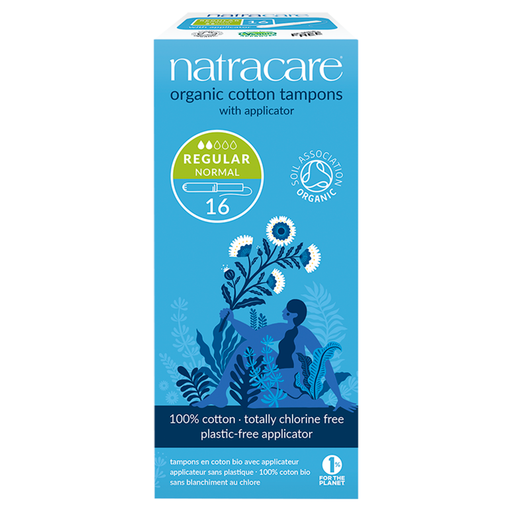
Why It Stands Out: This product is a great entry point into the world of organic period care. It combines the purity of organic cotton with the convenience of a thoughtfully designed cardboard applicator, making the switch from plastic simple and effective.
Pros:
Who is it for? This is an excellent choice for individuals with a regular flow who are looking for a straightforward, eco-conscious alternative to conventional applicator tampons.
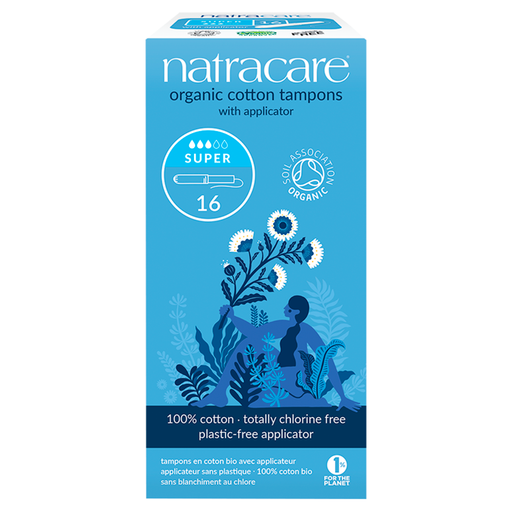
Why It Stands Out: Designed for days with a heavier flow, this option provides higher absorbency without compromising on materials. The applicator is specifically designed with a smooth, rounded tip for comfortable and easy insertion.
Pros:
Who is it for? Ideal for those who need reliable protection on heavier flow days but still want a product that is organic, plastic-free and gentle on the body.
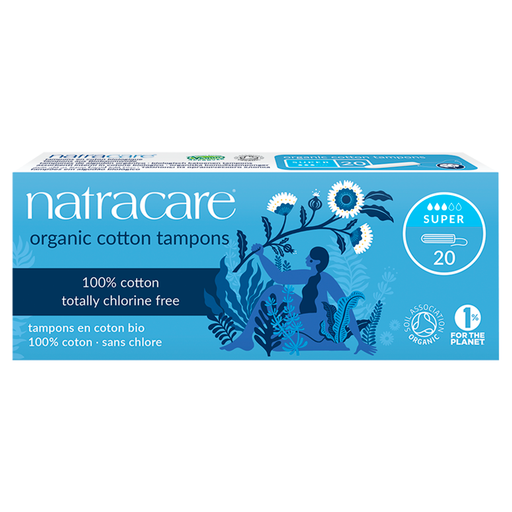
Why It Stands Out: This non-applicator version offers the most minimalist and low-waste approach to tampon use. By removing the applicator entirely, it reduces packaging and environmental impact even further, while still delivering the same high-quality organic cotton protection.
Pros:
Who is it for? This is a perfect fit for experienced tampon users who are comfortable with a non-applicator style and prioritise minimising their environmental footprint as much as possible.
Everyone's body and flow are different. If these recommendations aren't quite what you're looking for, or if you'd like to see different absorbencies and styles, there are more choices available.
Explore our full range of Organic Cotton period care to find the perfect fit for your needs.
1. Are organic cotton tampons safer? Organic cotton tampons are made without certain materials found in some conventional products, such as chlorine, synthetic pesticides and fragrances. For individuals with sensitivities, this can help reduce the risk of irritation. However, it is important to remember that all tampons, regardless of material, are associated with Toxic Shock Syndrome (TSS), a rare but serious illness. Always use the lowest absorbency for your flow and change your tampon every 4-8 hours as directed.
2. Are tampons with cardboard applicators difficult to use? While they can feel different from plastic applicators, many modern cardboard applicators are designed for ease of use. Some, like those from Natracare, have features like a twist-to-unlock mechanism and a smooth tip to aid insertion. It may take a little practice, but many people find them to be a comfortable and effective alternative.
3. Can you flush organic cotton tampons? No, you should not flush any tampons, including those made from organic cotton. While the materials may be biodegradable, they do not break down quickly enough in plumbing systems and can cause blockages in pipes and sewers. Always dispose of used tampons and their packaging in a household waste bin.