Students prioritising organic snacks
If organic production matters more to you than a familiar crisp brand, check the claim on the specific pack. An organic label does not replace a look at its ingredients, salt figure or allergen information.


Choose crisps labelled organic if organic production is your priority for a lecture lunch, but check the specific pack’s salt, portion size and allergen information separately. If reducing salt matters more, compare the salt figures on the packs you are considering rather than assuming an organic crisp contains less.
If organic production matters more to you than a familiar crisp brand, check the claim on the specific pack. An organic label does not replace a look at its ingredients, salt figure or allergen information.
Compare salt per bag to understand the amount in your lunch portion, and per 100g to compare different bag sizes. The NHS advises adults to have no more than 6g of salt a day; an organic claim alone tells you nothing about a crisp’s salt figure.
Check the exact flavour and pack for ingredients, suitability statements and precautionary allergen wording. These can differ between products from the same brand.
Choose when: Organic production is a requirement for your lecture-lunch snack.
Keep in mind: Organic labelling does not establish a lower salt content or dietary suitability.
Choose when: The salt figure on your lunch portion matters more to you than an organic claim.
Keep in mind: Check the named product’s comparison and allergen wording; a lower-salt claim does not apply to every crisp from that brand.
| Priority | What to check | Your needs |
|---|---|---|
| Organic status | Look for an organic claim on the exact pack under UK organic labelling rules. Read the ingredient list too; a short list does not itself establish organic status. | I want an organic crisp, rather than one described only as natural or made with familiar ingredients. |
| Salt and portion | Read salt per bag or serving, then per 100g when comparing different sizes. Check what a lower-salt claim compares with. | For lunch, I want to know the salt figure for the amount I plan to eat, not just the figure for 100g. |
| Pack format | Check the bag size and whether the product is an individual bag, multipack or larger pack requiring a separate portion. | A bag I can put straight into my lecture-lunch bag may matter more to me than a larger pack to portion at home. |
| Dietary suitability | Read the exact flavour’s ingredients, highlighted allergens, suitability claims and any “may contain” statement. | If I avoid particular ingredients or allergens, I need the wording for the pack I am buying, not a brand-wide assumption. |
Organic labelling concerns production and labelling; the salt figure belongs to the individual product.
Confirm the organic claim if it matters to you, then compare salt per pack and per 100g separately.
Bags can contain different amounts, so the per-100g figure alone does not tell you the salt in the bag you take to lunch.
Use per 100g for a like-for-like product comparison and per bag for the portion you expect to eat.
Ingredients, suitability statements and precautionary allergen wording can vary by flavour and product.
Read the current pack each time you change flavour or format, especially when an allergen statement affects your choice.
These examples show why an organic preference, a salt comparison and a dietary check need separate answers; a brand name alone does not settle all three.
Biona lists Organic Lightly Salted Potato Chips 100g with potatoes, non-hydrogenated sunflower oil and sea salt as ingredients.
Trafo describes its crisp and snack range as organic, including potato, vegetable and other snack styles.
Walkers Lightly Salted is a conventional product with a stated salt comparison, rather than an example of an organic crisp.
Seabrook provides product-specific dietary and nutrition information for its Sea Salt & Vinegar crisps.
KETTLE Chips describes crisps made with British potatoes and identifies gluten-free, vegan and vegetarian options in its range.
For a lecture lunch, these options include organic rice cakes and crispbread alongside conventional potato and okra crisps. Rice cakes and crispbread offer a different snack format from potato crisps; check the individual pack if organic status or salt is decisive.
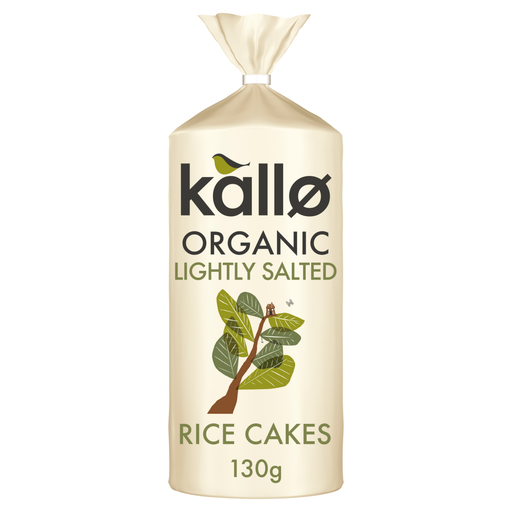 No image available
Consider these when you want an organic-labelled savoury snack and are happy to take rice cakes rather than potato crisps. The pack is 130g; portion some separately if you do not want to carry the whole pack.
 No image available
This organic-labelled crispbread is a different choice from potato crisps if you want to portion a snack for lunch. It is an Emmental cheese and pumpkin seed variety in a 200g pack; check the exact pack’s ingredients and allergen information.
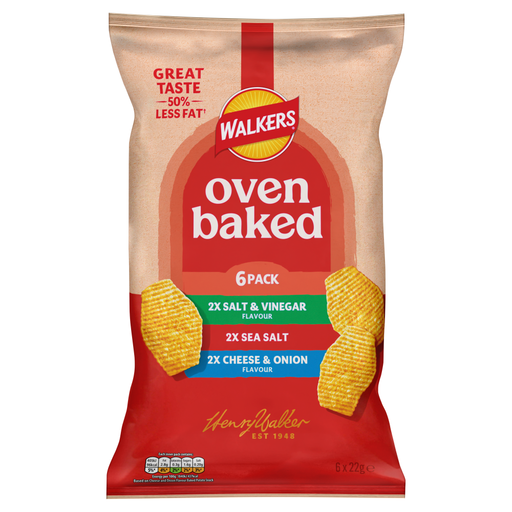 No image available
The individual bags offer a conventional crisp-style option for packing a lecture lunch. This variety pack contains six 22g bags; check the salt and allergen details for the flavour you take rather than treating “oven baked” as a salt claim.
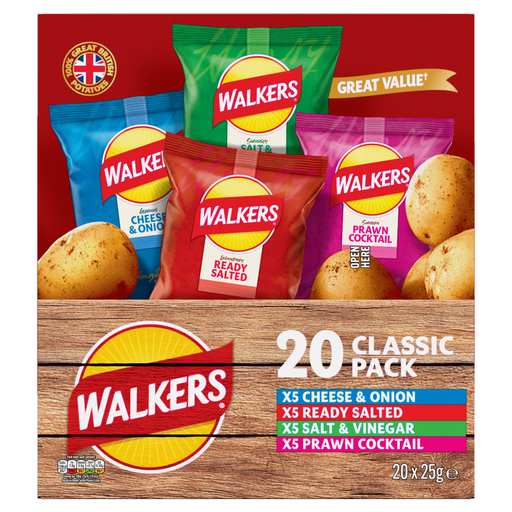 No image available
This multipack suits someone who wants individual conventional crisp bags ready to put in a lunch bag. It contains twenty 25g bags; check the chosen flavour’s label if organic status, salt or allergens affect your decision.
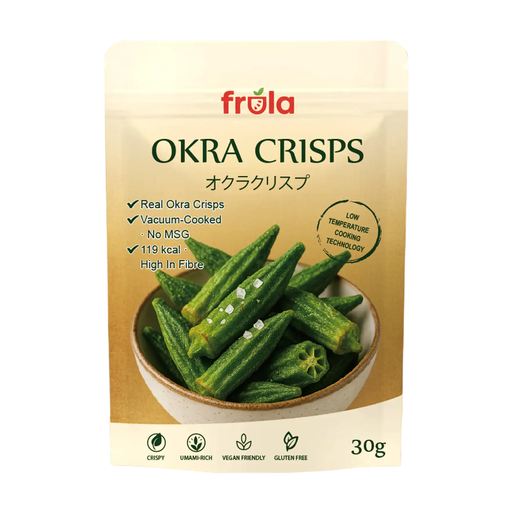 No image available
These offer an okra-based crisp instead of a potato crisp for your lecture lunch. Check the pack size, salt figure and any organic claim on the exact product before deciding whether it meets your priorities.
Look for an organic claim on the specific pack, which should be labelled under the UK organic food rules described by GOV.UK. Phrases such as “natural”, “simple ingredients” or “British potatoes” are not substitutes for that claim.
Not necessarily: organic status and salt content are separate things to check. Read salt per bag for your lunch portion and per 100g when comparing packs of different sizes.
No. Read the exact product’s ingredients and precautionary allergen statements as well as its dietary-suitability claims; one statement does not replace the others.
Use both figures for different purposes: per 100g allows a consistent comparison between products, while per bag shows the salt in the portion you plan to take to lunch. Check the bag size before treating either figure as your lunch portion.