Shoppers who require certified organic coffee
Check the organic claim and certification for the exact decaf product. A brand name or a description of how caffeine was removed is not a substitute for that check.


If organic production is your priority, choose decaf coffee with an organic claim for the exact product and certification by an approved organic control body, as set out in Defra’s UK labelling guidance. Organic instant coffee suits a break with little preparation time; ground coffee or beans suit a break when you have the equipment to brew. A water-based decaffeination method does not, on its own, establish organic certification.
For an afternoon break, the useful distinction is whether organic certification is essential and how much preparation your coffee setup allows.
Check the organic claim and certification for the exact decaf product. A brand name or a description of how caffeine was removed is not a substitute for that check.
Instant decaf can be prepared with hot water when there is little time to brew. If organic status matters too, check it on the particular coffee rather than assuming that all decaf instant coffees qualify.
Ground coffee or whole beans may fit a break with time to brew. Choose a format your equipment accepts, and check certification on the exact product if you want organic decaf.
Start with the organic claim if it is a requirement, then compare preparation format and any decaffeination method stated for the particular coffee.
| Priority | What to check | Your needs |
|---|---|---|
| Organic certification | Check the organic claim on the exact coffee and the certification behind it. Defra’s UK organic-food labelling guidance says the product and suppliers must be certified by an approved organic control body for the product to be labelled organic. | I want organic decaf, so I need to check the coffee itself rather than rely on a general claim about the brand or its decaffeination method. |
| Decaffeination method | Look for a method stated for the exact product. Clipper describes CO2 and spring water for its Organic & Fairtrade Decaf Coffee; Nescafé describes a water-based method for Original Decaf. Neither method statement alone establishes organic certification. | If the way caffeine is removed matters to me, I want the producer to identify the method for the coffee I am choosing. |
| Preparation format | Check whether the pack contains instant coffee, grounds or whole beans, and whether you have the equipment it needs. Clipper’s organic decaf is freeze-dried instant coffee; Equal Exchange offers its Organic Decaf Medium Roast in ground and whole-bean formats. | With only hot water and a short break, I would choose an instant format. When I can use a brewer, ground coffee or beans become options. |
| Caffeine intake | Do not read “decaf” as a promise of zero caffeine: Nescafé says most caffeine is removed from Original Decaf. For pregnancy, the NHS advises no more than 200 mg of caffeine a day in total. | If I need to keep track of caffeine, I should consider my drinks and other caffeine sources across the day, not just this cup. |
A decaffeination method explains how the producer says caffeine is removed; an organic claim concerns how the coffee is produced and certified. Defra’s UK guidance requires certification by an approved organic control body for organic labelling.
If organic status is essential, check the claim and certification for the precise coffee pack as well as any method description.
Ground coffee needs suitable brewing equipment, while whole beans also need grinding before brewing. Neither prepares in the same way as instant coffee.
Choose instant for a hot-water-only break, or check that your grinder and brewer suit the format before choosing grounds or beans.
Nescafé describes Original Decaf as having most caffeine removed, rather than all caffeine. The NHS advice for pregnancy concerns total caffeine from the whole day.
If you are pregnant, account for other caffeine sources as well as coffee; the NHS advises a daily limit of 200 mg.
These examples show why format, method and organic certification need separate checks; a statement about one named coffee should not be assumed to apply across its brand.
Clipper’s Organic & Fairtrade Decaf Coffee is a freeze-dried organic instant coffee.
Equal Exchange offers Organic Decaf Medium Roast in ground and whole-bean formats.
Taylors describes its Decaffé as a brewed-coffee option made using its Pure Water Process.
Nescafé Original Decaf is an instant-coffee option for preparation with hot water.
Kenco describes its Decaf as a medium-roast instant coffee blend.
These instant and ground decaf coffees offer options for an afternoon break. If you require organic coffee, check the organic claim and certification on the exact pack before choosing any of them.
 No image available
This soluble decaf suits a break when you are preparing coffee with hot water rather than brewing grounds. Nescafé describes a water-based decaffeination method for Original Decaf; check the exact pack for an organic claim and certification if required.
 No image available
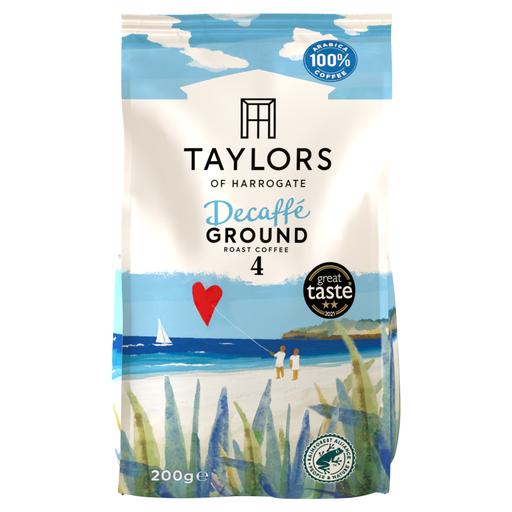
Ground decaf is an option when you have time and equipment to brew. Check the exact pack for preparation instructions and, if organic status matters, an organic claim and certification.
 No image available
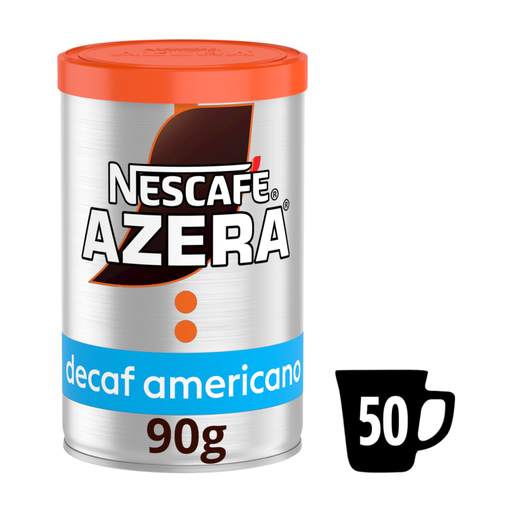
This instant decaf is prepared with hot water, making it an option when there is no time to brew. If organic certification or a particular decaffeination method matters, check those details for this exact product.
 No image available
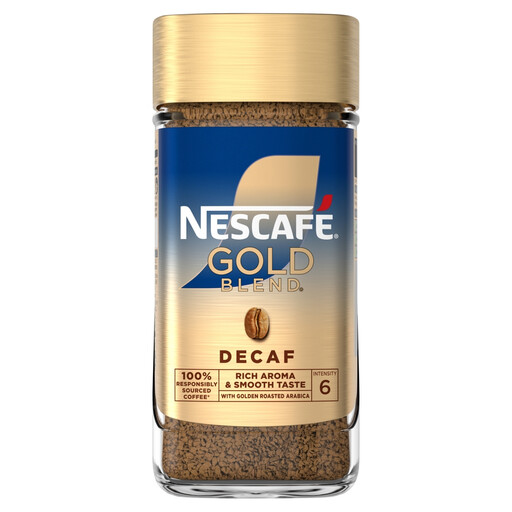
Gold Blend Decaf is soluble coffee for an afternoon cup prepared with hot water. Check the exact pack for an organic claim and certification, or for a stated decaffeination method if either affects your choice.
Check the organic claim for the exact product and the certification behind it. In its UK organic-food labelling guidance, Defra says a product may be labelled organic only if the product and suppliers are certified by an approved organic control body.
No. Water-based decaffeination describes a method of removing caffeine, not organic certification. For example, Nescafé and Taylors describe water-based methods for named decaf coffees, while Equal Exchange separately states organic certifications for its Organic Decaf Medium Roast.
Organic instant decaf suits a break when you only have hot water and little preparation time; Clipper’s Organic & Fairtrade Decaf Coffee is one such format. If you have a suitable brewer and more time, Equal Exchange offers its organic decaf as ground coffee or whole beans.
Do not assume it is: Nescafé says most caffeine is removed from Original Decaf. If you are pregnant, the NHS advises no more than 200 mg of caffeine a day in total, so consider other caffeine sources as well.
Follow the instructions on the exact pack. For its ground Decaffé coffee, Taylors advises keeping it sealed in a cool, dry place after opening; instructions for another format may differ.