What should you check?
Start with the drinker’s preference and any individual dietary advice, then compare organic status and caffeine information on the exact tea.
| Priority | What to check | Your needs |
|---|
| Organic status |
Look for an organic designation on the exact pack or listing and check its certification details. The Department for Environment, Food & Rural Affairs ties UK organic labelling to approved certification; “natural” is not a substitute. |
Organic production matters to the person I’m buying for, so I want evidence for this particular tea. |
| Residual caffeine |
Check whether the figure describes a prepared cup and note its brewing conditions. Yorkshire Tea estimates 1.5–2 mg in a 200 ml cup of its Decaf brewed for 5 minutes; that figure does not describe every decaf tea. |
We want to reduce caffeine, and I need to know what “decaf” means for the drink they will actually make. |
| Drinking routine |
Choose a tea and format the person is willing to drink. The NHS says tea counts towards daily fluid intake; follow an individual plan where fluid intake is restricted. |
A familiar hot drink would fit the routine, but I don’t want to mistake it for a solution to poor appetite or weight loss. |
| Mealtime use |
For someone following iron-deficiency dietary advice, check the timing of tea with their clinician or dietitian. University Hospitals Coventry and Warwickshire NHS Trust advises avoiding tea within 1 hour before or after meals in its iron-deficiency anaemia guidance. |
When iron-deficiency advice applies, I need to plan when tea is served, not just which box to buy. |
| Pack and ingredients |
Compare the pack weight and number of bags if choosing between formats. Read the ingredients of an infusion rather than assuming every herbal or fruit blend is caffeine-free. |
A pack size that suits the household matters to me, especially if the person is trying a different tea. |
Joybuy tea options
These decaf black teas offer organic-labelled options alongside a Yorkshire Tea option for shoppers who prioritise its stated caffeine estimate. Check the exact pack against the older drinker’s preferences and any individual dietary advice.
 No image available
Clipper Organic Fairtrade Decaf Everyday, 80 tea bags, 277g
An organic-labelled decaf black tea to consider when organic status is a priority. The pack contains 80 tea bags and weighs 277g. Check the current pack’s certification details and caffeine information if either is decisive.
View on Joybuy
 No image available
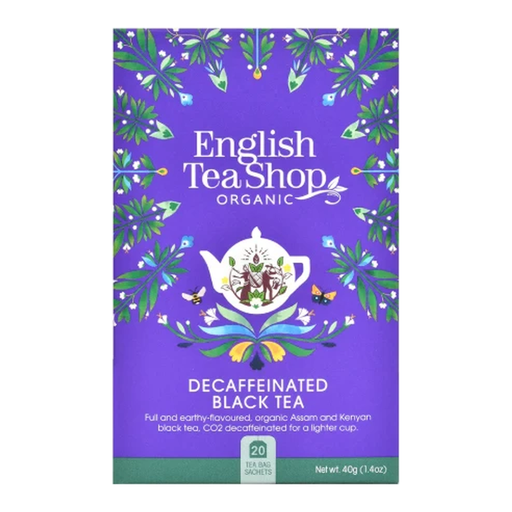
English Tea Shop Organic Decaffeinated Black Tea, 20g
A 20g organic-labelled decaf black-tea pack to consider when trying this type of drink. Check the exact pack’s certification details; if residual caffeine matters, look for information expressed per prepared cup before comparing it with another tea.
View on Joybuy
 No image available
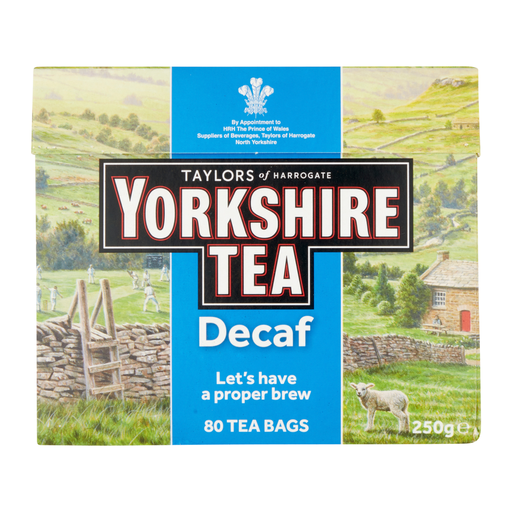
Taylors of Harrogate Yorkshire Tea Decaf, 250g
A 250g decaf black tea for someone who prioritises a stated caffeine estimate over an organic designation. Yorkshire Tea estimates 1.5–2 mg caffeine per 200 ml cup brewed for 5 minutes; preparation can affect the comparison. Check the exact pack for organic certification if that is essential.
View on Joybuy
Common questions
Does decaf tea contain any caffeine?
It can. Twinings says decaffeinated tea may retain traces of caffeine. For one product-specific comparison, Yorkshire Tea estimates 1.5–2 mg in a 200 ml cup of its Decaf brewed for 5 minutes. If complete avoidance has been advised, check what is appropriate for the individual rather than relying on “decaf”.
How can I check whether a decaf tea is organic?
Check the exact pack or listing for an organic designation and certification details. The Department for Environment, Food & Rural Affairs says UK organic food labelling requires the product and suppliers to be certified by an approved organic control body. As one example, Tesco’s listing for Clipper Fairtrade Organic Decaf Tea displays an organic designation and GB-ORG-05 control-body code; check the details of any different pack separately.
Can decaf tea count towards an older person’s fluid intake?
Yes: the NHS includes tea among drinks that count towards daily fluid intake. If the person has a prescribed fluid restriction or another individual drinking plan, follow that advice instead of applying general guidance.
Should someone with iron-deficiency dietary advice drink tea with meals?
University Hospitals Coventry and Warwickshire NHS Trust advises against tea or coffee within 1 hour before or after meals for people following its iron-deficiency anaemia guidance, because drinking them with food can reduce iron absorption. Follow the person’s own clinician or dietitian’s plan, including any advice about decaf tea.
Can organic decaf tea address poor appetite or weight loss?
No. It can be a drink the person enjoys, but organic or decaf labelling does not make tea a treatment for a nutrition concern. Age UK identifies unintended weight loss, a smaller appetite and chewing or swallowing difficulties among signs that warrant attention; discuss these concerns with an appropriate health professional.


