Parents organising a children’s Easter egg hunt
Consider each child’s ability to chew the food and plan a seated, supervised time to eat it. NHS guidance tells carers to consider food size, shape and texture for babies and young children.


Choose dried fruit labelled organic if certified organic production matters to your household, but check the individual pack: organic does not mean unsweetened or suitable for every child. For an Easter egg hunt involving young children, consider the fruit’s size and texture, check ingredients and allergens, and serve food while children are seated and supervised. The NHS advises eating dried fruit at mealtimes rather than grazing on it between meals.
Consider each child’s ability to chew the food and plan a seated, supervised time to eat it. NHS guidance tells carers to consider food size, shape and texture for babies and young children.
Look for a packaged organic claim with a clear certification basis. The UK Department for Environment, Food & Rural Affairs says food labelled organic must meet organic-production rules and be certified by an approved organic control body.
Read the exact pack before sharing it. Tesco Organic Cranberries list organic sugar, the Food Standards Agency identifies sulphites as an ingredient used in some dried fruit, and Whitworths lists milk and soya for its yoghurt-coated raisins.
Start with how and when the children will eat, then compare the organic claim and the details on each pack.
| Priority | What to check | Your needs |
|---|---|---|
| Organic status | Check the pack’s organic description and control-body information. UK Department for Environment, Food & Rural Affairs guidance says food labelled organic must meet organic-production rules and be certified by an approved control body. | I want an organic product, not just packaging that sounds natural. |
| Ingredients and sugars | Read the ingredients for added sugar and compare the nutrition information using the same stated amount. Tesco Organic Cranberries, for example, list organic sugar. | If I am choosing between sweetened and unsweetened fruit, the organic label alone will not answer that question. |
| Age and eating setting | Consider each child’s chewing ability and the food’s size, shape and texture. Follow NHS guidance to supervise babies and young children while they eat. | With very young children taking part, I would rather collect treats during the hunt and serve food when everyone is seated. |
| Allergens and portions | Check the exact flavour’s ingredient and allergen declaration, including sulphites where relevant. Set out portions for a supervised eating time; the NHS advises having dried fruit at mealtimes rather than between meals. | When several children share treats, I need to know what each pack contains and when it will be eaten. |
Tesco Organic Cranberries list organic sugar among their ingredients, so the organic claim does not answer whether sugar has been added.
Read the ingredients and compare the nutrition panels of the specific products you are considering.
For babies and young children, NHS guidance makes food size, shape, texture and supervision part of the eating decision.
Let children collect non-food markers, or save food until they can sit and eat under adult supervision.
The NHS advises eating dried fruit at mealtimes rather than as a between-meal snack because of tooth-decay risk.
Plan any dried fruit as part of the post-hunt meal instead of topping up treats throughout the activity.
The Food Standards Agency identifies sulphites as an ingredient used in some dried fruit. Whitworths lists milk and soya for its Sunny Dunked Yogurt Coated Raisins.
Check each pack and flavour, and keep its ingredient information available to carers before sharing the food.
Tesco lists Organic Cranberries 100G, an example of why an organic claim and an ingredients check serve different purposes.
Marks & Spencer lists organic soft apricots, soft dates and soft prunes in its fruit-snacks range.
Whitworths Sunny Raisins are a portioned raisin option to consider when serving format matters.
These options cover a raisin multipack and a fruit-purée alternative for serving after the hunt. If organic certification is essential, check the claim and control-body details on the pack you choose.
 No image available
The 12 x 14g raisin pack offers portions to set aside for a supervised eating break. Check the pack’s organic information and suitability for each child; the NHS advises eating dried fruit at mealtimes rather than repeatedly between meals.
 No image available
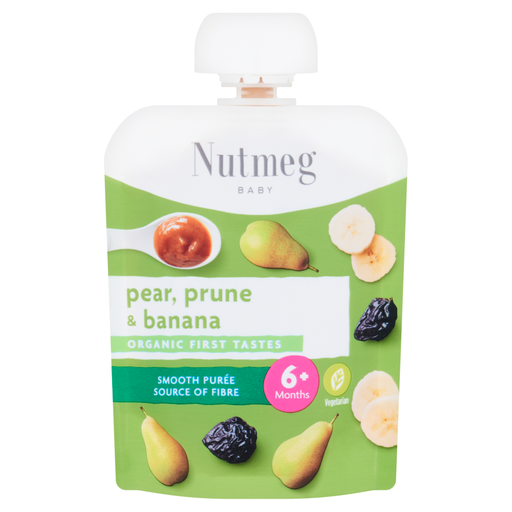
This 70g fruit purée is an alternative to whole dried fruit for serving after the hunt; it is labelled 6+ Months. Check the ingredients and organic information, serve while the child is seated and supervised, and keep the pouch cap away from children under 36 months.
No. An organic claim concerns production and certification, not whether a product is unsweetened. Tesco Organic Cranberries list organic sugar, so check the ingredients of the exact pack.
Save food for a seated, supervised eating time instead. NHS guidance asks carers to consider food size, shape and texture for babies and young children and to supervise them while eating.
The NHS advises eating dried fruit at mealtimes rather than as a between-meal snack to reduce tooth-decay risk. It states that 30g of dried fruit counts as one 5 A Day portion.
Yes, check the ingredient and allergen information on the exact product, particularly if a child has a known sensitivity. The Food Standards Agency identifies sulphur dioxide and sulphites as ingredients used in dried fruits such as raisins, dried apricots and prunes.
Check the pack you will distribute for its ingredients, allergens and organic information. Different products and flavours can differ: Whitworths lists milk and soya for its yoghurt-coated raisins, while its Sunny Raisins have a different ingredient list.