People adding fruit to a late meal
If supper is porridge, yoghurt or cereal, a measured amount of dried fruit can be served with the meal. The NHS advises eating dried fruit at mealtimes rather than between meals.


Organic dried fruit makes more sense as a measured part of a late supper than as something to graze on just before bed. The NHS says 30g of dried fruit counts as one 5 A Day portion and advises eating it at mealtimes; organic labelling concerns how a product is produced, so check the exact pack’s ingredients and nutrition separately.
If supper is porridge, yoghurt or cereal, a measured amount of dried fruit can be served with the meal. The NHS advises eating dried fruit at mealtimes rather than between meals.
Organic status addresses production rules, not every ingredient or nutrition question. Check the claim, ingredient list and nutrition panel on the particular pack you intend to use.
The Food Standards Agency identifies sulphur dioxide and sulphites as ingredients used in some dried fruit. Check the exact product’s ingredients and allergen information rather than assuming its organic label answers that question.
Decide whether the fruit will be part of supper, then compare a serving you can measure with the information on its pack.
| Priority | What to check | Your needs |
|---|---|---|
| When you eat it | Is the dried fruit part of supper or a separate bedtime snack? The NHS advises eating dried fruit at mealtimes. Lancashire and South Cumbria NHS Foundation Trust advises avoiding sugary foods at bedtime, when saliva flow is lower. | I want fruit with an actual late meal, rather than something to keep eating after supper. |
| Organic claim and ingredients | Check the organic claim on the exact item, then read its ingredients and nutrition panel separately. UK organic labelling is governed by production rules, according to the Department for Environment, Food & Rural Affairs. | Organic production matters to me, but I also want to know what else is in the pack. |
| Serving format | Compare the pack’s serving size with the amount you plan to serve. The NHS counts 30g of dried fruit as one 5 A Day portion; a smaller stick or a larger pouch is not automatically a 30g dried-fruit serving. | A measured amount is easier for me to add to a bowl than to judge while eating from an open bag. |
| Sulphites | Read the ingredients and allergen information for each exact product. The Food Standards Agency says sulphur dioxide and sulphites are used in some dried fruit, including raisins, apricots and prunes. | If I need to avoid sulphites, I need the label of the particular fruit and pack I am buying. |
Organic labelling concerns production rules. It does not describe the amount of naturally occurring sugar: the Ocado listing for M&S Organic Raisins, for example, gives 69.3g sugars per 100g.
Check organic status and the nutrition panel as separate parts of the decision, and serve dried fruit with supper rather than grazing on it afterwards.
An open bag gives you no set serving. The NHS uses 30g as a dried-fruit 5 A Day portion and advises eating dried fruit at mealtimes.
Put the amount you intend to eat into the supper dish or a bowl before closing the pack.
The Food Standards Agency notes that sulphur dioxide and sulphites are used in some dried fruit. An organic claim does not settle the ingredients of every product.
If sulphites matter to your choice, read the current ingredients and allergen information whenever you change product or pack.
These examples show where to compare organic dried-fruit labels; a brand name alone does not establish the ingredients of an individual product.
Tesco Groceries lists organic raisins, sultanas and Medjool dates in its organic dried-fruit search results.
Sainsbury's Groceries lists SO Organic raisins and soft apricots among its dried-fruit products.
Ocado lists M&S Organic Raisins as a 375g dried-fruit product.
These options include raisins that could be added to a late meal, alongside a seed mix and fruit products labelled for young children. Check each product’s organic claim and ingredients if organic dried fruit is your requirement; a mixed product or fruit pouch is not the same format as a bag of dried fruit.
 No image available
The 14g boxes provide a defined amount to add to a supper dish. This product is labelled for 12+ months; check its organic claim, ingredients and allergen information on the pack if those details matter to your choice.
 No image available
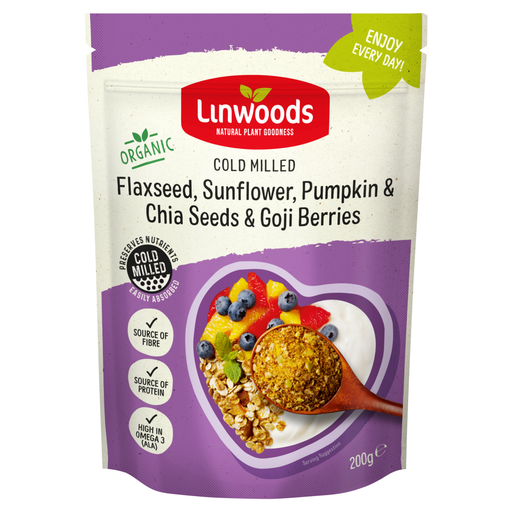
Consider this 200g seed-and-goji-berry mix if you want an addition to a supper dish rather than plain dried fruit. Check the pack’s organic claim, ingredients, allergens and suggested serving before choosing it for that purpose.
 No image available
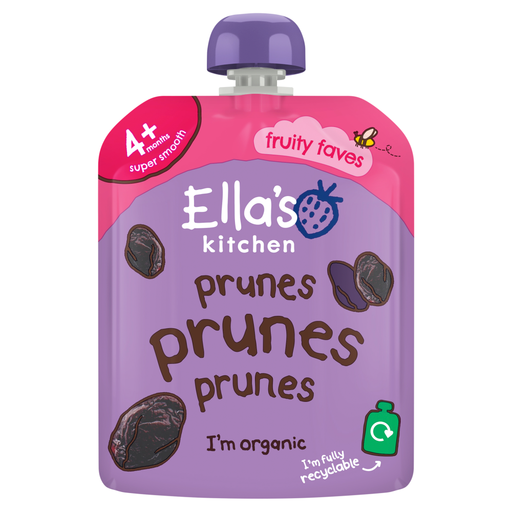
This 70g prune product is labelled for babies aged 4+ months, so it is a different choice from loose dried prunes for an adult supper. Check its ingredients and organic labelling if you are considering it as a meal addition; do not treat the full pouch as equivalent to a 30g dried-fruit portion.
 No image available
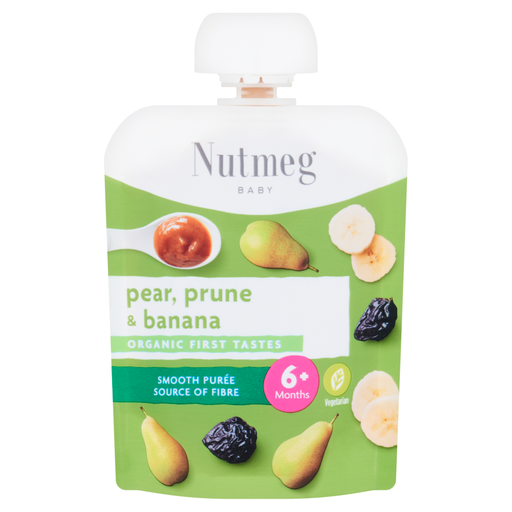
This 70g pear, prune and banana product is labelled for babies aged 6+ months, rather than being plain dried fruit. If you want organic dried fruit for supper, check its exact organic claim and ingredients; the pouch weight should not be read as a dried-fruit portion.
It is better treated as part of a late meal than as a separate snack just before bed. The NHS advises eating dried fruit at mealtimes, while Lancashire and South Cumbria NHS Foundation Trust advises avoiding sugary foods at bedtime, when saliva flow is lower. Organic status does not change that timing advice.
The NHS says 30g of dried fruit counts as one 5 A Day portion. Use that as a reference when serving dried fruit with supper, rather than assuming that one box, stick or pouch contains the same amount of dried fruit.
No. The Department for Environment, Food & Rural Affairs describes organic labelling in terms of production rules; it does not establish a product’s sugar content or complete ingredient list. For a product-specific example, Ocado lists M&S Organic Raisins at 69.3g sugars per 100g. Check each pack’s ingredients and nutrition panel separately.
Yes, if avoiding sulphites is relevant to your choice. The Food Standards Agency identifies sulphur dioxide and sulphites as ingredients used in some dried fruit, including raisins, apricots and prunes. Check the exact product’s ingredients and allergen information rather than assuming all organic dried fruit has the same contents.