
24/7 Customer Support

Free returns

Same-day & Next-day Delivery

Quality Guaranteed

Unlock Your Welcome Offers: FREE Delivery | Up to 80% OFF | Free 30-day JoyPlus trial
Download the APP
Navigating the world of baby products as a new parent can feel overwhelming, especially when it comes to nutrition. The shelves are lined with options, all making compelling claims. When choosing an organic first infant milk, you want clarity and confidence, not confusing marketing jargon. Many parents find themselves caught in common purchasing traps, such as paying a premium for ingredients that offer little proven benefit or overlooking components they would rather avoid.
This guide is designed to help you cut through the clutter. We will break down the essential factors to consider when selecting a stage 1 baby formula and highlight what truly matters for your newborn's nutrition, helping you make an informed choice for your family.
Before you add any newborn formula milk UK to your basket, it is crucial to understand a few core parameters. Looking past the front-of-tin marketing to the ingredients list can reveal the true quality and suitability of a formula.
The foundation of most milk-based formulas is either skimmed milk or whole milk.
All infant formula sold in the UK is legally required to contain DHA (Docosahexaenoic Acid), an omega-3 fatty acid that supports normal visual development. However, the source of this DHA can differ.
You will see formulas labelled as 'Stage 1' or 'First Infant Milk'. This indicates that the formula is nutritionally complete and suitable as the sole source of nutrition for babies from birth up to 12 months of age, whether you are exclusively formula-feeding or combination feeding.
Based on these key parameters, we have identified options that align with the priorities of discerning UK parents.
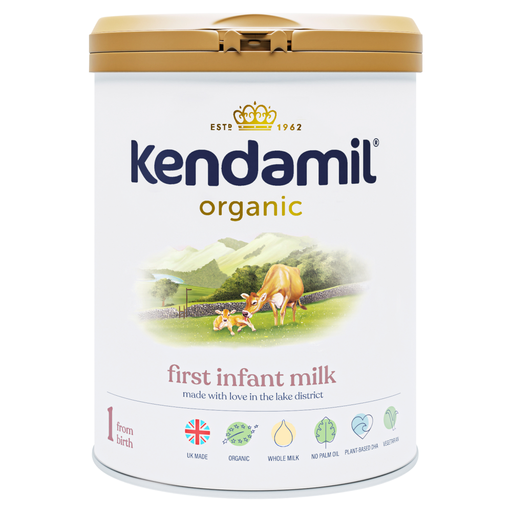
Why This Fits Their Persona: This formula is ideal for parents prioritising British manufacturing, animal welfare and specific ethical ingredients. It is made in the UK using organic whole milk from local farms and is certified vegetarian.
It directly avoids the "hidden ingredients" pitfall. The formulation is explicitly a no palm oil formula and uses plant-based DHA from algae instead of fish oil, making it a true vegetarian baby formula.
Its primary fat source is natural organic whole milk, providing a creamy taste. The brand's commitment to local sourcing and sustainability is a significant plus for eco-aware buyers.

Why This Fits Their Persona: This is a choice for parents who value a long, established history in organic farming and production. HiPP is a well-known and trusted brand in the UK, offering a gentle formula that has been a staple for generations.
It avoids the trap of vague "natural" claims by being fully certified organic, backed by over 60 years of the brand's own research and sustainable farming practices. The quality is consistent and transparent.
This is a nutritionally complete formula that contains all legally required nutrients, including DHA from fish oil. It is a reliable and gentle option for babies from birth, based on a skimmed milk formulation.
We have compiled a complete, real-time list of products that fully satisfy these strict selection criteria and UK safety regulations.
1. What is the difference between organic and non-organic baby formula? Organic baby formula is produced according to strict legal standards. This means the ingredients, such as the milk and vegetable oils, are sourced from farms that do not use synthetic pesticides or fertilisers. For dairy, organic standards also include regulations around animal welfare, such as access to outdoor space and a diet of organic feed.
2. How long can my baby use Stage 1 formula? First infant milk (Stage 1) is the only formula your baby needs for the first year of their life. It is a nutritionally complete food source designed to meet all of their requirements from birth until 12 months. There is no need to switch to other stages of formula during this time unless advised by a healthcare professional.
3. Do I need to boil the water for every feed? Yes. For newborns and young infants, it is very important to prepare formula feeds safely to minimise any risk. The NHS recommends boiling one litre of fresh tap water and leaving it to cool for no more than 30 minutes. This ensures the water is still at a temperature of at least 70°C, which is hot enough to sterilise the formula powder. Always test the temperature of the milk on your wrist before feeding your baby to ensure it is comfortably warm, not hot.
Important Notice: Breastfeeding is widely recommended for babies. Organic first infant milk should only be used on the advice of a doctor, midwife, health visitor or other professional responsible for maternal and child care.