Students avoiding caffeine at lunch
Look for a naturally caffeine-free statement on the exact infusion. A fruit flavour alone does not tell you whether a blend contains conventional tea leaves.


For an organic fruit tea to take to a lecture lunch, check that the organic claim applies to the individual product, then choose a pack and brewing method that fit your break. Pukka Wild Apple & Cinnamon is a 20-bag, naturally caffeine-free option according to Pukka; Clipper describes Berry Burst as organic and naturally caffeine-free, but its official 250-envelope listing is more suited to shared use than one student’s bag.
The useful starting point is whether organic labelling, caffeine avoidance or pack size matters most for your lunch routine.
Look for a naturally caffeine-free statement on the exact infusion. A fruit flavour alone does not tell you whether a blend contains conventional tea leaves.
Check the individual pack or product listing for its organic claim. A brand’s organic range does not establish the status of every tea it sells.
A larger pack may fit repeated group use. Compare the number of bags with your likely use, available storage space and the blend’s ingredients.
Start with the claim on the exact tea, then check its ingredients, pack format and preparation instructions against your lunch break.
| Priority | What to check | Your needs |
|---|---|---|
| Organic labelling | Read the organic wording on the exact pack or listing. Check the product’s certification information rather than relying on fruit flavour or the brand’s wider range. | I want the organic claim to apply to the tea I am actually buying, not just to other products from the same brand. |
| Caffeine | Look for an explicit naturally caffeine-free statement for the named blend. Check the ingredients if a fruit-flavoured product also contains black or green tea. | For a caffeine-free lunch drink, I would rather check the individual blend than assume every fruit tea qualifies. |
| Pack and preparation | Compare bag count with individual or shared use. Check access to hot water and the stated infusion time; Clipper specifies 2–5 minutes for Berry Burst, while Twinings specifies 3 minutes for Peach & Orange. | A box that fits my cupboard or bag matters if I am making one cup between lectures. A larger pack makes more sense when others will use it too. |
| Ingredients and flavour | Read the full ingredient list for herbs you need to consider. Compare a spiced apple blend with a berry-led one on flavour rather than treating all fruit infusions as interchangeable. | I may prefer berries to apple and cinnamon, or need to check particular herbal ingredients before choosing a blend. |
Fruit flavour and herbal ingredients do not establish an organic claim for the individual product. An organic-focused brand may also sell blends with different product-level wording.
Check the exact title and pack labelling before counting a tea as an organic option.
Clipper’s official Berry Burst listing is for 250 envelopes. That format calls for more storage and repeated use than a smaller box.
Match the bag count to how often you expect to make tea and whether you will share it.
A large box also takes up more space in a shared kitchen or cupboard.
Clipper Berry Burst lists liquorice root among its ingredients. Organic and naturally caffeine-free descriptions do not replace an ingredient check.
Read the complete list for the exact blend, particularly if an ingredient raises a question for you.
A tea bag is only practical during a short break if you have suitable hot-water access and time to let it infuse.
Check campus arrangements and the pack instructions before relying on the tea for a lecture lunch.
These examples show why it is worth checking individual blends: fruit flavour, caffeine wording and organic claims do not always appear together.
Pukka describes its fruit-tea range as organic. Its Wild Apple & Cinnamon product is a fruit-and-spice example.
Clipper offers organic herbal infusions, including the berry-style Berry Burst blend.
Twinings offers Peach & Orange in a 20-bag format for shoppers considering a fruit infusion.
Teapigs offers Super Fruit as a herbal blend in tea-temple and loose-leaf formats.
These two Joybuy listings are fruit-style herbal tea options to consider for a lecture lunch. Check each exact pack for the organic wording, ingredients and preparation details that matter to you.
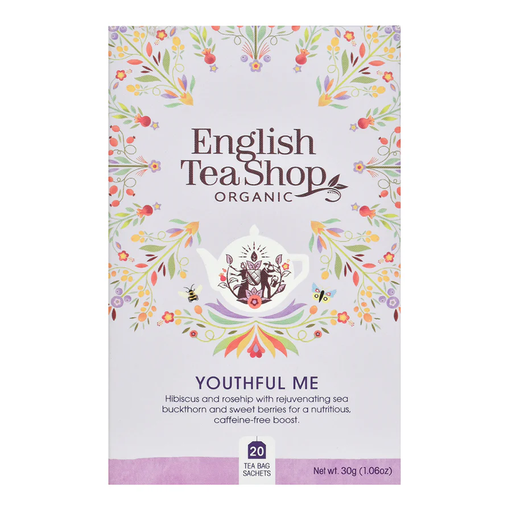 No image available
For a fruit-style infusion at lunch, check this blend’s ingredients and brewing directions against your available break time. The named variant is a 30g box; check its pack labelling and caffeine information if those determine your choice.
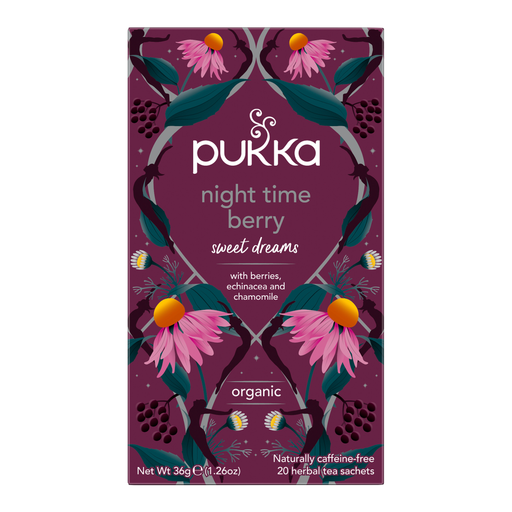 No image available
The 20-sachet format gives you a defined pack count for individual lecture lunches. Check the full herbal ingredients, caffeine wording and brewing instructions on this exact 36g variant before choosing it.
Check the organic wording and certification information for the individual product. A fruity name or a brand with an organic range does not establish an organic claim for every blend it sells.
No. Look for a naturally caffeine-free statement on the exact product rather than relying on its fruit flavour. Pukka describes Wild Apple & Cinnamon as naturally caffeine-free, and Clipper makes the same statement for Berry Burst.
Choose a pack size you will use and check that you can prepare the tea during your break. Clipper specifies freshly boiled water and 2–5 minutes for Berry Burst; Twinings specifies freshly boiled water and 3 minutes for Peach & Orange.
No. Read the full ingredient list of the blend you are considering; Clipper Berry Burst, for example, contains liquorice root. If an ingredient raises a question about medicines or a health condition, ask a pharmacist or appropriate healthcare professional rather than choosing tea for a claimed health effect.