Organic-first family shoppers
If organic status is a priority, check the claim on the individual tea you intend to buy, then choose a format and pack size for your usual household use.


For a household that regularly drinks plain green tea, start with an organic-labelled bagged tea in a pack size that suits how often you brew it. Choose a matcha blend or powder when you specifically want that flavour or preparation style; check the exact product’s organic claim and compare servings within the same format rather than treating grams of powder as a tea-bag count.
The useful starting point is how the household prepares and uses green tea, not the word “matcha” or “organic” in a brand’s wider range.
If organic status is a priority, check the claim on the individual tea you intend to buy, then choose a format and pack size for your usual household use.
A larger bagged pack may mean fewer repeat purchases than a smaller speciality pack. Clipper lists an organic pure green tea in an 80-bag format; check whether plain tea is what everyone wants.
Decide whether you want a green-tea blend containing matcha or matcha powder to prepare separately. The name alone does not tell you the matcha proportion or the number of servings.
Choose the preparation format first, then check organic labelling and compare pack sizes on terms that make sense for that format.
| Priority | What to check | Your needs |
|---|---|---|
| Organic status | Check the organic wording on the exact product and its pack information. The UK Department for Environment, Food & Rural Affairs says food labelled organic must meet organic production rules. | I want the tea I put in the basket to carry an organic claim, rather than assuming every green tea from the same brand does. |
| Household quantity | Compare tea-bag counts with other bagged teas. Clipper lists 80 bags for its Organic Fairtrade Pure Green Tea; Pukka lists 20 bags for Supreme Matcha Green. For powder, check the suggested serving size instead. | Several people may brew tea regularly, so a small speciality pack could need replacing more often. If we use powder, grams alone will not tell me how many drinks we make. |
| Tea format | Check whether the product is plain green tea, a blend or powder, and read the ingredients. Pukka says Supreme Matcha Green contains 2% matcha; Twinings separately lists a 30g organic matcha powder. | For an everyday infusion, I would choose tea bags. If we want to whisk or mix matcha, I need a powder rather than assuming a matcha-named tea bag works the same way. |
| Trade certification | Look for the particular claim on the product or in the brand’s product information. Clipper states that the tea in its cited 80-bag pack is traded in compliance with Fairtrade standards; Pukka describes its teas as Fair for Life certified. | Organic status and a trade certification matter to me as separate choices, and I want to know which claim applies to the tea I am buying. |
The claim needs to apply to the individual product. The UK Department for Environment, Food & Rural Affairs says food labelled organic must meet organic production rules.
Read the exact product’s organic wording and pack information before adding it to the family shop.
Clipper’s cited plain tea has 80 bags, Pukka’s cited Supreme Matcha Green has 20 bags, and Twinings lists organic matcha as 30g powder. These quantities do not describe servings in the same way.
Compare bag counts with bag counts; for powder, check its serving directions and how you plan to prepare it.
Using a 20-bag speciality tea as the household’s everyday brew may mean buying replacement packs more frequently.
Pukka says its Supreme Matcha Green tea contains 2% matcha alongside green tea. It is a different format from a product sold as matcha powder.
Choose the blend for a prepared tea infusion, or check for a powder if you intend to whisk or mix matcha.
Promotional dates matter when working out what you can buy during a particular shop; an earlier offer does not establish the current basket total.
Check the live retailer basket or shelf for the current offer, stock and delivery options.
These examples show why the exact product and format matter; a brand’s inclusion does not mean every tea in its range has the same claims.
Clipper lists an Organic Fairtrade Pure Green Tea in an 80-bag pack, a relevant format for a household that brews plain green tea regularly.
Pukka is a reference for organic green-tea blends, including its 20-bag Supreme Matcha Green.
Twinings lists plain green tea in 20-bag and 4 × 20-bag options, as well as a separate 30g organic matcha powder.
teapigs lists green-tea choices and loose-leaf formats for households considering a different way to prepare tea.
These options include bagged plain green tea, matcha-containing blends and matcha powders. Check each pack’s organic labelling and serving directions against the way your household will use it.
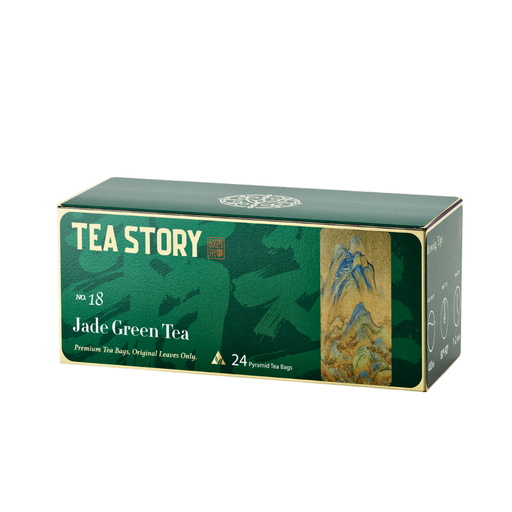 No image available
A plain green-tea bag option for households that prefer an infusion to a matcha blend. The title lists 24 pyramid bags at 2g each and makes an ECOCERT organic claim; check the exact pack’s organic labelling before buying.
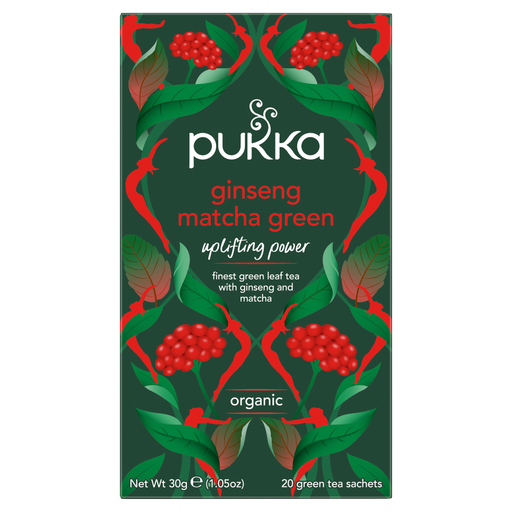 No image available
Consider this blend if the household wants green tea with a matcha element rather than plain tea. Its listed ingredients include Sencha tea at 50% and matcha at 2%, alongside other botanicals. Pukka says its products are certified organic; check the pack’s preparation format and serving directions before comparing the 30g quantity with tea bags.
 No image available
This is a powder option for a household intending to prepare matcha rather than infuse tea bags. The product description gives a 30g pack and a 1g serving, with sifting and whisking directions. Check the exact pack’s organic certification information.
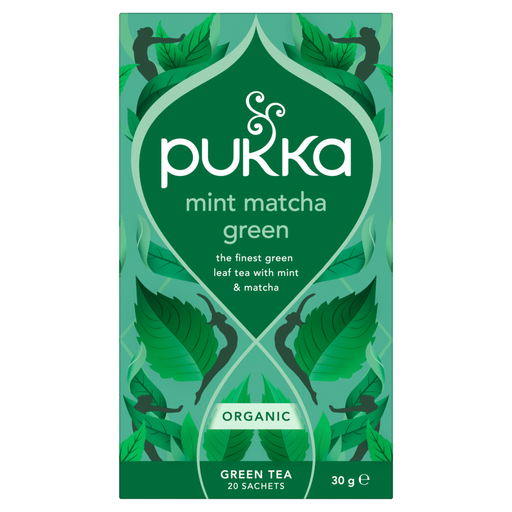 No image available
Choose this over a plain green tea only if a mint-and-roasted-tea blend suits the household. The listed ingredients include roasted tea at 60%, spearmint at 20%, mint leaves at 18% and matcha at 2%. Pukka says its products are certified organic; check the 30g pack’s preparation format and serving directions.
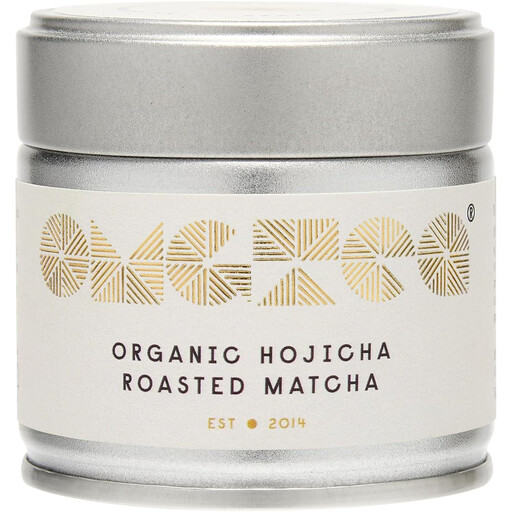 No image available
This roasted matcha powder is a separate preparation choice from everyday green-tea bags. Its description lists a 30g tin and approximately 30 servings, and advises using water at 80°C or less. Check the organic certification wording on the exact pack.
Check that the organic claim applies to the exact product, not just the brand. The UK Department for Environment, Food & Rural Affairs says food labelled organic must meet organic production rules; read the individual pack’s wording and certification information before buying.
An 80-bag pack is worth considering when several people regularly brew plain green tea. Clipper lists 80 bags for its cited organic pure green tea, compared with 20 bags for Pukka’s cited Supreme Matcha Green; those counts do not establish which tea your household will prefer.
No. Pukka says its Supreme Matcha Green tea contains 2% matcha alongside green tea, while Twinings separately lists an organic matcha powder. Choose by the preparation format you want and check the individual product’s ingredients.
Follow the directions on the pack you buy. For its Organic Fairtrade Pure Green Tea, Clipper advises boiling fresh water, leaving it to cool for one minute, then infusing the bag for 1–3 minutes; another blend or format may give different directions.
No. Organic and trade-certification claims are separate. Clipper describes the tea in its cited 80-bag product as organic and traded in compliance with Fairtrade standards, while Pukka says its teas are Fair for Life certified. Check which claims apply to the exact pack.