Who is each format for?
The serving format matters as much as the tea style when you are making drinks for an afternoon-tea table.
Hosts serving several guests
Portioned green-tea bags avoid measuring leaves or whisking each drink. In the UK Tea & Infusions Association’s May 2025 Tea Census of over 1,000 Britons, 93% preferred making tea with a bag rather than preparing loose-leaf tea. That was a general tea-format preference, not an organic-green-tea finding.
Drinkers who prefer unflavoured green tea
A product listing organically grown green tea as its ingredient, such as Clipper’s Pure Green Tea bags, offers a different choice from a green-tea-and-matcha blend. Check the brewing directions on the pack you intend to serve.
Guests interested in matcha
A matcha blend in a bag keeps preparation close to a conventional infusion. Organic matcha powder suits a separately prepared drink when measuring and whisking are part of the plan; the two formats are not interchangeable.
What should you check before choosing?
Pure green-tea bags
Choose when: You want an unflavoured organic green tea that is simple to portion for several guests.
Bear in mind: A pure green-tea infusion is not a matcha drink or a flavoured blend.
Green-tea-and-matcha bags
Choose when: You want matcha in a green-tea blend without preparing powder separately.
Bear in mind: A bag containing green teas and matcha is not 100% matcha powder.
Organic matcha powder
Choose when: You want to make a prepared matcha drink alongside afternoon-tea food.
Bear in mind: Measuring and mixing individual drinks takes more attention than putting out tea bags.
Start with how you will serve the tea, then check the exact product’s organic labelling, ingredients and preparation directions.
| Priority |
What to check |
Your needs |
| Serving format |
Check whether the product is portioned into bags or needs measuring and mixing. For bags, read the directions for water and infusion time. |
I want to make several cups without preparing each one separately. In the UK Tea & Infusions Association’s May 2025 survey of over 1,000 Britons, 93% preferred the convenience of a tea bag over preparing loose-leaf tea; the result was about tea generally, not organic green tea. |
| Organic labelling |
Look for an organic claim on the exact product and check its label and certification information. UK Department for Environment, Food & Rural Affairs guidance sets production and approved-control-body certification conditions for foods labelled organic. |
I want to choose an organic product without relying on a brand name, green packaging or the word “pure” as proof. |
| Tea style |
Read the ingredient statement: pure green tea, a green-tea-and-matcha blend, and 100% matcha powder are different products. Check for any additional ingredients if you want an unflavoured cup. |
For this table, would I rather serve a conventional green-tea infusion, a blended tea in a bag or a separately prepared matcha drink? |
| Brewing method |
Follow the exact product’s water and preparation directions. Clipper’s Organic Pure Green Tea specifies cooling boiled water for a minute and infusing for 1–3 minutes; Twinings specifies 1g of its organic matcha powder with water cooled to 70–80°C, mixed with a whisk. |
I need a method I can manage while serving food and other drinks, particularly if I plan to offer more than one tea format. |
| Caffeine |
Check the exact product if caffeine matters to you; do not assume green tea or matcha is decaffeinated. For pregnancy, the NHS advises no more than 200mg of caffeine a day and counts tea among caffeine sources. |
I’m keeping track of caffeine across the drinks and foods I have during the day, rather than considering this cup on its own. |
Which brands offer relevant options?
These brand references describe particular products or ranges, not an organic claim for everything each brand sells.
Clipper
Clipper’s Organic Fairtrade Pure Green Tea is a bagged, unflavoured option for a conventional afternoon-tea service.
- Clipper’s product information lists organically grown green tea for its 80-bag product and gives a 1–3 minute infusion after cooling boiled water for a minute.
- This is pure green tea, not a matcha blend or powder.
Pukka
Pukka Supreme Matcha Green offers an organic green-tea-and-matcha blend in bags.
- Tesco lists the product as an organic 20-bag blend combining three green teas with matcha.
- A blended bag is not 100% matcha powder and does not use the same preparation method.
Twinings
Twinings has an explicitly organic 30g matcha powder for a separately prepared drink.
- Twinings lists the powder as organic 100% matcha and specifies 1g with water cooled to 70–80°C, mixed with a whisk.
- Its cited Pure Green Tea bag listing does not make an organic claim; check the exact product rather than transferring the powder’s designation to the bags.
teapigs
teapigs lists several green-tea styles, including jasmine pearls, mao feng and green tea with mint.
- The range gives shoppers different green-tea styles to consider for an afternoon-tea menu.
- Check organic labelling on an individual product before treating it as an organic option.
Joybuy green tea and matcha options
These Joybuy options cover portioned green-tea bags and matcha powders, including a roasted version. Check the organic claim and certification information on the exact pack if organic status is essential to your choice.
 No image available
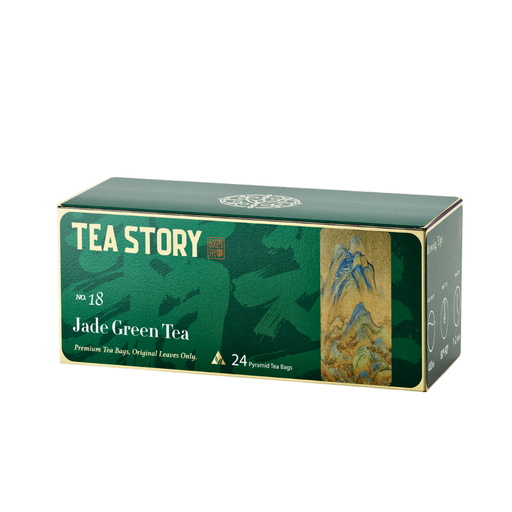
TEA STORY Jade Green Tea pyramid bags, 24 × 2g
The portioned bags suit a table where guests want individual green-tea cups. The title describes spring first flush tea and claims ECOCERT Organic; check the pack’s certification information and brewing directions before choosing it for an organic-only spread.
View on Joybuy
 No image available
OMGTea AA Organic Matcha Gift Set, 30g
Consider this for a separately prepared matcha drink rather than a shared pot of bagged tea. The title identifies a 30g gift set; check its included items, preparation directions and organic certification details on the exact product.
View on Joybuy
 No image available
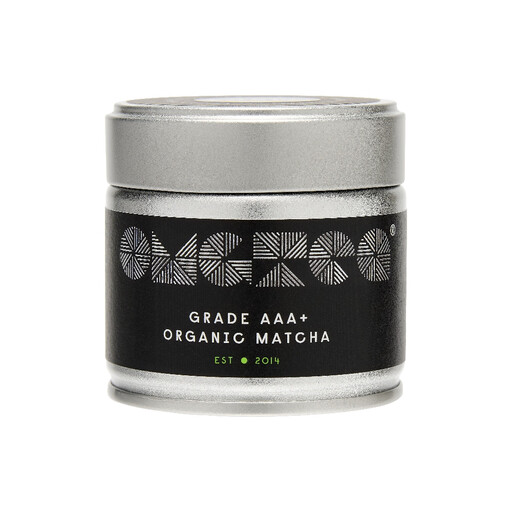
OMGTea Organic Matcha AAA+ 30g
This 30g matcha option fits a plan to make individual powdered-tea drinks rather than bagged infusions. Allow time for preparation, and check the exact pack’s organic certification information and directions.
View on Joybuy
 No image available
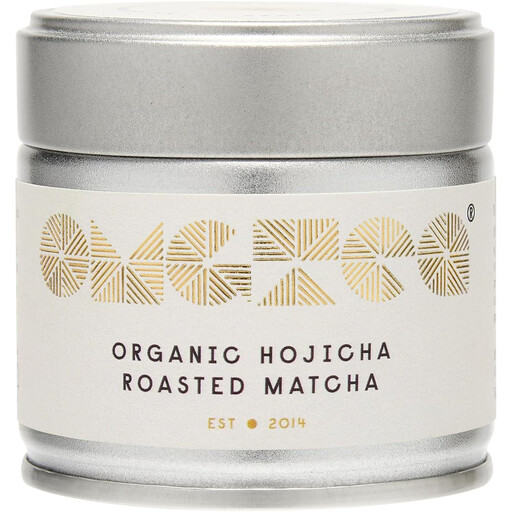
OMGTea Organic Hojicha Roasted Matcha 30g
The roasted style offers a different matcha option for a separately prepared afternoon drink, not a tea-bag infusion. Check the 30g product’s preparation directions and organic certification information; do not assume a roasted tea is caffeine-free.
View on Joybuy
Afternoon-tea questions
How can I check whether green tea is organic in the UK?
Look for an organic claim on the exact product and check its labelling and certification information. UK Department for Environment, Food & Rural Affairs guidance says foods labelled organic must meet organic production rules, have at least 95% organic agricultural ingredients and meet approved-control-body certification conditions. “Pure” and “Fairtrade” do not, by themselves, establish organic status.
What is a straightforward organic green tea to serve to several guests?
Portioned organic green-tea bags are practical when you want to make several cups without measuring powder. Clipper’s Organic Pure Green Tea is one example: its directions specify cooling boiled water for a minute, then infusing the bag for 1–3 minutes. Follow the instructions on whichever pack you serve.
Should I serve matcha powder or green-tea bags?
Choose bags for a conventional infusion served to several guests; choose powder if you intend to prepare matcha drinks individually. Twinings’ organic matcha powder directions specify measuring 1g and mixing it with water cooled to 70–80°C using a whisk, so it is not a drop-in substitute for a bag.
Is brewed green tea the same as a green-tea supplement?
No. The European Food Safety Authority distinguishes green-tea infusions and similar drinks from concentrated catechin supplements. In its 2018 assessment, it found catechins from infusions generally safe but identified potential health concerns for supplement doses at or above 800mg of catechins per day; do not apply a supplement assessment to an ordinary cup of tea.
What should I check if I am limiting caffeine?
Check the exact tea or matcha product rather than assuming it is decaffeinated. During pregnancy, the NHS advises no more than 200mg of caffeine a day and lists tea among caffeine sources, so the daily total includes more than an afternoon cup.


