Who is this choice for?
An organic claim is only one part of choosing green tea for an older adult. The drink also needs to fit their preferences and any advice they follow about caffeine or meal timing.
Older adults who want a simple organic green tea
A plain tea bag may suit someone who wants a familiar way to make a cup. Check the organic claim on the exact product rather than assuming it applies to every tea in a range. Tea can be a drink alongside food, not a replacement for it.
People whose sleep or bladder symptoms are affected by caffeine
Green tea contains caffeine. If caffeinated drinks affect sleep, urgency or frequency, the time of day and the option of a non-caffeinated drink matter more than an organic claim. NHS sleep guidance and NHS Tayside's caffeine guidance address these concerns.
People following advice about iron deficiency
Tea timing matters when someone is following dietary advice for iron-deficiency anaemia. University Hospitals Coventry and Warwickshire NHS Trust advises keeping tea at least one hour before or after meals; any individual instructions from a clinician or dietitian should take precedence.
What should you check before buying?
Choose the type of drink first, then check the exact pack for its organic claim, ingredients and preparation instructions. A different drink may make more sense when caffeine is a known problem.
Plain organic green-tea bags
Consider when: A short ingredient list and tea-bag preparation are the main preferences.
Bear in mind: An organic green-tea bag still contains caffeine.
Organic matcha or a matcha blend
Consider when: The person wants a matcha-style drink and is comfortable following the exact product's preparation directions.
Bear in mind: Powder and blended tea are different formats; a blend's name alone does not tell you its full ingredients or caffeine amount.
A non-caffeinated drink
Consider when: Caffeine is a known trigger for poor sleep or troublesome bladder symptoms, particularly for an evening drink.
Bear in mind: This does not meet a preference specifically for green tea; check that the alternative is actually non-caffeinated.
| Priority |
What to check |
Your needs |
| Organic claim |
Look for an organic claim on the exact pack and check its labelling. The Department for Environment, Food & Rural Affairs says products and suppliers must be certified by an approved organic control body for food to be labelled organic. |
I want to know that the organic claim applies to the tea I am buying, not just another product from the same brand. |
| Ingredients and format |
Check whether the product is plain green tea, a multi-ingredient blend or powder. Read the preparation directions for the exact format. |
A tea bag would be easier for my usual cup, or I may prefer the flavour and preparation of matcha. |
| Role alongside food |
Consider tea as a drink, not a substitute for meals. NHS guidance says tea counts towards fluid intake; older-adult nutrition guidance from Royal United Hospitals Bath NHS Foundation Trust and a British Dietetic Association specialist group emphasises nutrient-rich food. |
I want an enjoyable drink without relying on it to provide the nutrients I need from food. |
| Caffeine |
Check whether the exact drink contains caffeine, particularly for an evening cup. NHS guidance notes that tea can make people feel more awake, while NHS Tayside identifies green tea as a caffeine source relevant to bladder symptoms. |
If caffeine affects my sleep or bladder symptoms, I may choose a different time for green tea or a non-caffeinated drink. |
| Tea with meals |
When following dietary advice for iron-deficiency anaemia, keep tea at least one hour before or after meals unless given different individual advice. This is the timing recommended by University Hospitals Coventry and Warwickshire NHS Trust. |
If I have been advised to manage iron intake, I need a cup of tea at a time that fits that advice. |
Brand and product-range references
Compare exact products rather than treating a brand name as an organic label. These examples describe the named products or ranges, not every tea each brand makes.
Clipper
Clipper Tea Shop lists an Organic Pure Green Tea product in an 80-bag format.
- Its product page lists organic pure green tea as the ingredient and gives an infusion time of 1–3 minutes.
- Someone sensitive to caffeine should not assume that this organic tea is caffeine-free.
Pukka
Pukka says all its products are certified organic and includes matcha-containing green teas in its range.
- The range offers a choice of blends for someone who prefers ingredients beyond plain green tea.
- A blend is not interchangeable with single-ingredient green tea; check the exact ingredients and directions.
Twinings
Twinings UK identifies its 30 g matcha powder as organic and also lists a separate Pure Green Tea tea-bag product.
- The organic matcha page gives a measured preparation method using 1 g of powder.
- The Pure Green Tea page does not present that tea-bag product as organic. Check each variant separately.
teapigs
The teapigs UK green-tea range includes mao feng, jasmine pearls and green tea with mint.
- These named products offer different green-tea styles and flavours.
- If certified organic is essential, confirm the claim on the specific product before choosing it.
Green-tea options on Joybuy
These options are matcha-named teas and roasted matcha, rather than a selection of plain green-tea bags. Check the exact ingredients, organic labelling and preparation directions against the drink you want.
 No image available
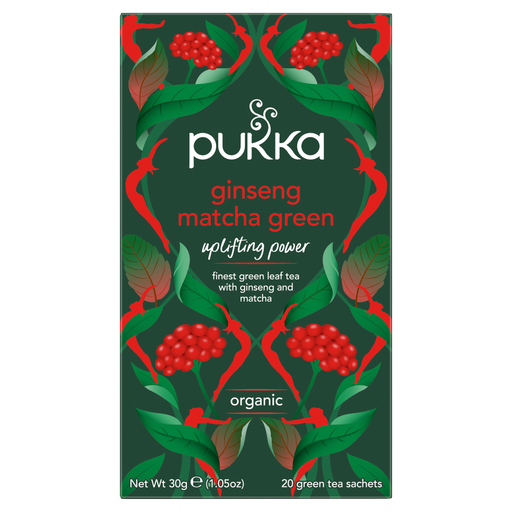
PUKKA Ginseng Matcha Green 30g
Consider this if you want a ginseng and matcha-named tea rather than plain green tea. Pukka says all its products are certified organic; check this pack's ingredients and preparation directions before buying. If caffeine affects you, consider when you would drink it.
View on Joybuy
 No image available
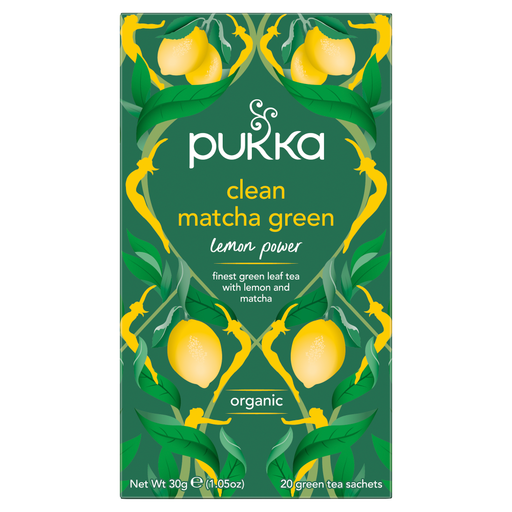
PUKKA Clean Matcha Green 30g
This is another matcha-named Pukka option for someone considering a blend instead of plain green tea. Pukka says all its products are certified organic; read the exact pack for its ingredients and preparation method. An organic claim does not resolve a personal caffeine concern.
View on Joybuy
 No image available
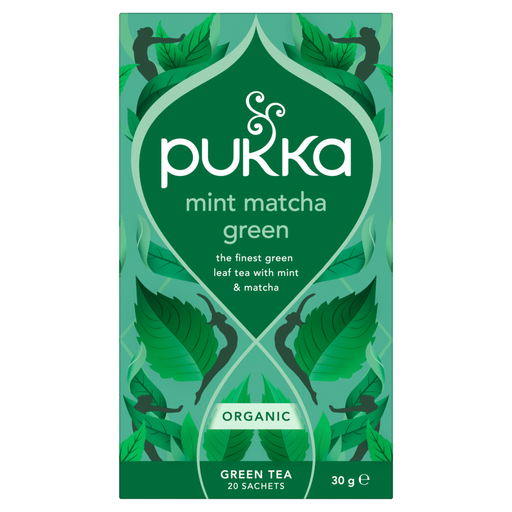
PUKKA Mint Matcha Green 30g
Consider this if a mint and matcha-named blend appeals more than plain green tea. Pukka says all its products are certified organic. Check the ingredient balance on the exact pack if you specifically want a drink made mainly from green tea, and follow its own infusion directions.
View on Joybuy
 No image available
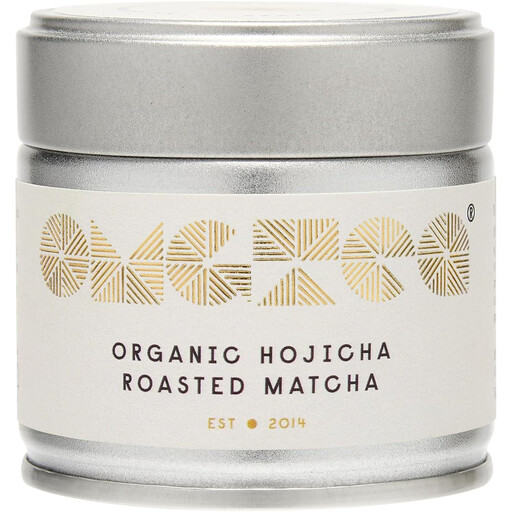
OMGTea Organic Hojicha Roasted Matcha 30g
This roasted matcha-named product is an option for someone seeking that style rather than a plain green-tea bag. Its title makes an organic claim; check the exact pack's certification details before relying on it. Follow the pack directions and account for personal caffeine sensitivity.
View on Joybuy
Frequently asked questions
How do I check an organic green-tea claim in the UK?
Check the organic claim on the exact product, not another tea from the brand. The Department for Environment, Food & Rural Affairs says food may be labelled organic only when the applicable production rules are met and the product and suppliers are certified by an approved organic control body.
Can organic green tea replace food in an older person's diet?
No. NHS guidance says tea can contribute to fluid intake, but guidance from Royal United Hospitals Bath NHS Foundation Trust and a British Dietetic Association specialist group emphasises nutrient-rich food for people over 65. Green tea is a drink alongside meals, not a replacement for them or for individually advised nutrition support.
Is green tea a suitable evening drink if caffeine affects sleep?
If caffeine affects the person's sleep, consider a non-caffeinated evening drink instead of regular green tea. NHS sleep guidance notes that tea contains caffeine and can make people feel more awake; the choice should reflect the person's response rather than age alone.
When should someone managing iron deficiency drink tea?
For someone following dietary advice for iron-deficiency anaemia, University Hospitals Coventry and Warwickshire NHS Trust advises keeping tea at least one hour before or after meals because tea with a meal can greatly reduce iron absorption. Follow any different individual instructions from the clinician or dietitian managing their care.
Do tea bags and matcha use the same preparation method?
No; follow the directions for the exact product. Clipper Tea Shop gives an infusion time of 1–3 minutes for its Organic Pure Green Tea bags, while Twinings UK specifies 1 g of its organic matcha powder with water cooled to 70–80°C.


