What should the home check?
Specify the organic claim and serving format first, then check whether the drink suits the person who will receive it.
| Priority |
What to check |
Your needs |
| Organic claim |
Check the exact pack and current supplier information for the organic claim. The Department for Environment, Food & Rural Affairs says UK organic labelling requires the applicable production rules to be met and the product and suppliers to be certified by an approved organic control body. |
I need to order the specified organic product, including when packaging changes or a supplier proposes a substitute. |
| Service format |
Compare the number of bags, whether they are individually wrapped, the ingredient list and the pack’s brewing instructions. Clipper Tea Shop lists 250 envelopes for its organic pure green-tea catering product; Tesco lists an 80-bag Clipper pack. |
For a shared tea service, I need a format staff can portion and prepare consistently. A smaller pack may make more sense for a limited preference trial. |
| Drink choice |
Check whether the product is plain green tea or a blend, and keep other suitable drinks available. In England, the Care Quality Commission says regulated providers must take people’s preferences into account when meeting hydration needs. |
Residents should be able to choose a drink they prefer, rather than receive green tea simply because it is the home’s standard option. |
| Caffeine |
Check the exact product’s caffeine information and whether a decaffeinated alternative is needed. Twinings states that ordinary green tea contains naturally occurring caffeine; a blend containing green tea or matcha should not be assumed caffeine-free. |
If a resident’s plan limits caffeine, I need a suitable alternative before adding this tea to their regular drinks. |
| Individual care |
Follow the resident’s prescribed drink consistency and preparation instructions. NHS Lothian’s care-home guidance uses the IDDSI framework to describe food and drink consistencies; check the clinical plan before a significant change to a managed diet. |
Where someone has a swallowing or clinically managed dietary requirement, I need to confirm how—or whether—this drink can be served to them. |
Brand and retailer references
These ranges illustrate different formats to check; a brand name alone does not establish the organic status or suitability of a particular pack.
Clipper
A reference for plain organic green tea in both retail and catering formats.
- Clipper Tea Shop lists 250 envelopes of organic pure green tea; Tesco lists an 80-bag product with organically grown green tea as its ingredient.
- Neither ordinary green-tea format should be treated as decaffeinated unless the exact pack says so.
Pukka
A reference for organic green-tea blends where residents want a different flavour.
- Pukka describes Mint Matcha Green as containing organic mints, sencha and matcha; a Tesco listing describes Supreme Matcha Green as a 20-bag blend of organic green teas with matcha.
- Check each blend’s ingredients and caffeine suitability rather than treating it as plain or caffeine-free green tea.
Twinings
A range to examine when an organic matcha product or a separately identified decaffeinated green tea is of interest.
- Twinings lists Matcha Green Tea Powder 30g Organic and Pure Green Decaffeinated in its green-tea collection.
- Those names do not establish that one product is both organic and decaffeinated; check the exact pack for each requirement.
Teapigs
A reference for smaller-format green-tea varieties, including mao feng, jasmine pearls and green tea with mint.
- The Teapigs green-tea collection identifies several distinct tea styles for a preference-led choice.
- Confirm organic status on the exact product before using it to meet an organic purchasing specification.
Tesco
A retail reference for comparing individual green-tea listings, rather than a tea manufacturer.
- Its green-tea category includes organic Clipper and Pukka listings alongside other products.
- Read the current label for the exact item: Tesco notes that food products may be reformulated.
Joybuy green-tea options
These options cover a bagged green tea for individual servings and a matcha green tea for a separately planned choice. Check each pack’s organic claim and the intended resident’s serving requirements before use.
 No image available
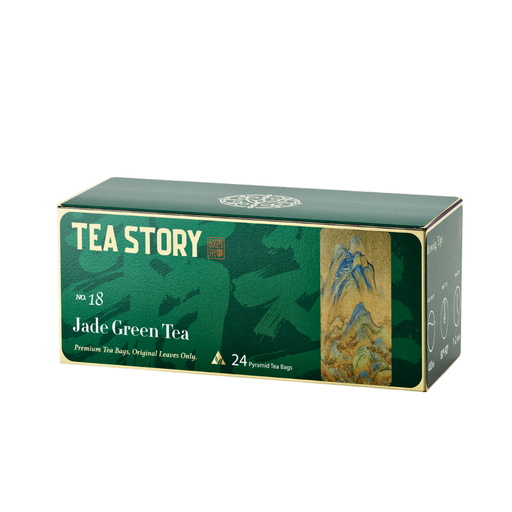
TEA STORY Jade Green Tea Pyramid Bags, 24 × 2g
The individual bags provide a portioned format for a small-scale green-tea offer. The product title makes an ECOCERT organic claim; check the current pack or supplier documentation if organic status is part of the purchasing specification. Confirm caffeine suitability against each resident’s care plan.
View on Joybuy
 No image available
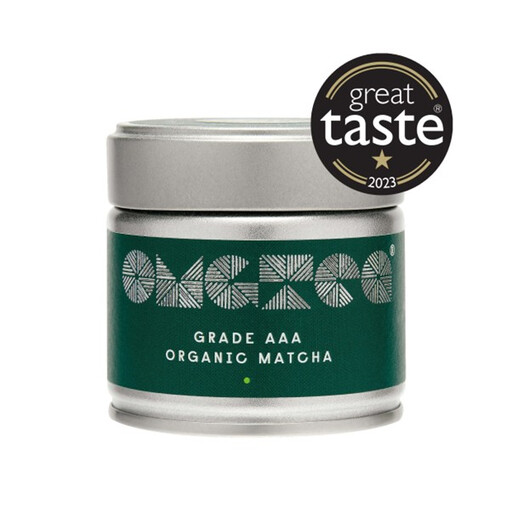
OMGTea AAA Organic Matcha Green Tea, 30g
This matcha format is a separate choice from portioned tea bags; establish a preparation and portioning method before offering it in routine service. Confirm the title’s organic claim against current pack or supplier information, and check caffeine suitability for the intended resident.
View on Joybuy
Questions about care-home service
How can a care home check an organic green-tea claim?
Check the claim for the exact product being ordered and keep its current pack or supplier documentation. The Department for Environment, Food & Rural Affairs says that, under UK organic-labelling rules, the product must meet organic production requirements and the product and suppliers must be certified by an approved organic control body. Recheck the information if the product changes.
Does a care home in England have to serve organic green tea?
The Care Quality Commission’s Regulation 14 does not specify organic green tea. It requires regulated providers in England to meet people’s nutrition and hydration needs and take their preferences into account. Whether to include organic green tea is a purchasing and menu choice within that wider provision.
Can someone on a texture-modified drinks plan have brewed green tea?
Follow that resident’s prescribed drink consistency rather than assuming standard brewed tea is suitable. NHS Lothian’s care-home guidance refers to IDDSI levels for describing food and drink characteristics; use the individual plan and relevant clinical preparation instructions. Organic status does not determine the drink’s consistency.
Is green tea caffeine-free?
Ordinary green tea contains naturally occurring caffeine, according to Twinings. Its estimate of around 30–40mg per 200ml cup concerns its own green tea, not every product or preparation. If caffeine is restricted for a resident, check the exact tea and provide an appropriate alternative.
What if a resident taking warfarin wants green tea regularly?
Check the resident’s clinical plan before making a significant change to their usual diet or drinks, and seek the appropriate clinical advice. Cambridge University Hospitals advises people taking warfarin to keep their intake of vitamin-K-containing foods consistent and discuss significant dietary changes with a doctor; that guidance does not establish a green-tea-specific rule for every resident.


