What should you check?
Choose the format you will use, then check the organic claim, ingredients and preparation of that particular product.
| Priority | What to check | Your needs |
|---|
| Unsweetened drink |
Read the tea ingredients. Check sugar, honey, syrup or sweetened mixes added when preparing the drink. |
I want a cup I can enjoy without adding sugar. Diabetes UK advises cutting back on sugar in tea and coffee. |
| Organic claim |
Look for an organic designation on the current pack and check the product information, rather than relying on “natural” wording. UK organic food labelling must meet production rules, according to the Department for Environment, Food & Rural Affairs. |
Organic production matters to me, but I do not want to mistake that claim for a diabetes benefit. |
| Tea format |
Compare plain green-tea bags with matcha powder and multi-ingredient blends. Check the exact ingredients, serving instructions and nutrition panel for the product you choose. |
For a simple brewed cup, I would choose bags listing only green tea; if I prefer matcha or mint flavours, I want to know what else is in the drink. |
| Caffeine |
Check the product’s caffeine information and consider the other caffeinated drinks in your routine. Teapigs identifies naturally occurring caffeine in its Mao Feng Green Tea, and the NHS advises moderation. |
Timing and caffeine intake matter to me, so I would check the specific tea rather than assume green tea is caffeine-free. |
Brand and product references
These examples describe particular products, not every green tea made by each brand.
Clipper
Clipper’s Organic & Fairtrade Green Tea is a plain tea-bag example for shoppers seeking an organic-labelled product.
- Clipper Tea Shop lists organically grown green tea as its ingredient.
- Check other Clipper variants individually; a flavoured tea need not have the same ingredients.
Twinings
Twinings lists both Organic Matcha Green Tea Powder and Pure Green Tea bags, which are different formats.
- Twinings lists 100% organic matcha powder as the ingredient in its cited matcha product.
- Its Pure Green Tea listing describes green tea but does not identify that product as organic; check the specific pack if organic status is essential.
Pukka
Pukka’s Mint Matcha Green is an organic-labelled, mint-led blend rather than plain green-tea bags or pure matcha powder.
- Pukka describes a blend including field mint, spearmint, sencha and matcha.
- Read the full ingredients if you want a single-ingredient tea.
Yogi Tea
Yogi Tea Green Balance Organic is a green-tea and botanical blend.
- Ocado’s product listing identifies green tea alongside elderflower, lemongrass and peppermint.
- It is a multi-ingredient option, not pure green tea.
Teapigs
Teapigs Mao Feng Green Tea is a plain-green-tea reference for shoppers comparing ingredients and caffeine information.
- Teapigs lists pure mao feng green tea and identifies naturally occurring caffeine.
- The cited product description does not identify it as organic; confirm the current pack if that is a requirement.
Joybuy green tea options
These options cover two preparation formats: green-tea bags for brewing and matcha powder for a measured drink. Check each pack’s organic details before choosing on that basis.
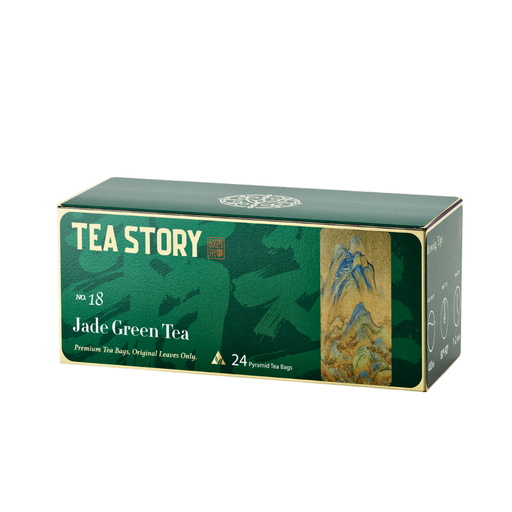 Image unavailable
TEA STORY Jade Green Tea, 24 pyramid bags × 2g
Tea bags suit a brewed cup without added sugar. The title claims ECOCERT Organic; check the current pack for the organic designation and ingredients.
View on Joybuy
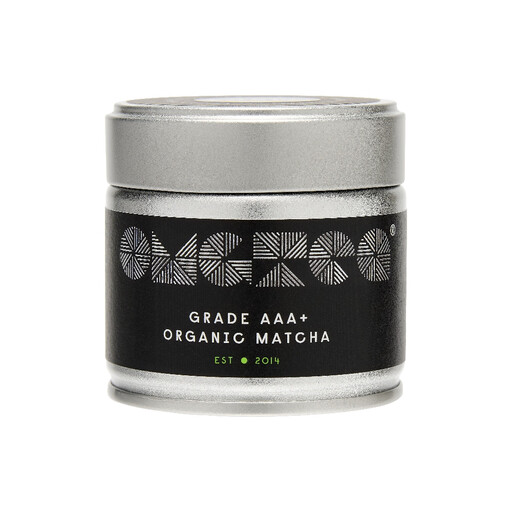 Image unavailable
OMGTea Organic Matcha AAA+ 30g
This matcha powder suits shoppers who want a powdered drink rather than brewed tea bags. Check the current pack’s organic details and serving instructions, and assess any ingredients added during preparation.
View on Joybuy
Questions about organic green tea
Does organic green tea have a diabetes benefit?
An organic label does not establish a diabetes benefit. The Department for Environment, Food & Rural Affairs ties UK organic food labelling to production rules; for an everyday cup, Diabetes UK includes unsweetened tea among its drink choices for people living with diabetes.
What should I look for in a plain organic green tea?
Look for an organic designation on the specific product and an ingredient list containing only green tea if simplicity matters to you. Clipper Tea Shop lists organically grown green tea as the ingredient in its Organic & Fairtrade Green Tea bags.
Are matcha powder and green-tea bags interchangeable?
They are different formats: tea bags are infused, while matcha powder goes into the drink. Check the serving instructions and nutrition panel of the exact matcha product, along with anything added during preparation.
Does green tea contain caffeine?
Do not assume it is caffeine-free: Teapigs identifies naturally occurring caffeine in its Mao Feng Green Tea. Check the specific product and your overall caffeine intake; the NHS advises moderation.
How can I check an organic claim in the UK?
Check the organic wording and ingredients on the current pack. The Department for Environment, Food & Rural Affairs says products labelled organic must meet organic production rules; general “natural” wording does not answer the same question.


