Hosts who need an organic-labelled tea
If you have described the coffee morning’s green tea as organic, check the claim on the exact pack. A brand that sells some organic teas may also sell other green teas.


For a coffee morning serving several guests, plainly labelled organic green-tea bags are a straightforward choice: Clipper lists an 80-bag Organic Fairtrade Pure Green pack with brewing instructions. If guests would prefer a matcha-containing blend, check the ingredients rather than assuming it is pure matcha; Pukka says its Supreme Matcha Green blend contains 2% matcha. If organic certification matters, check the exact pack or product listing, not just the brand.
If you have described the coffee morning’s green tea as organic, check the claim on the exact pack. A brand that sells some organic teas may also sell other green teas.
Individually portioned bags make it easier to prepare cups as guests arrive. Clipper lists 80 bags for its Organic Fairtrade Pure Green Tea, together with a 1–3 minute infusion instruction; choose a pack count that fits the expected gathering.
A green-tea blend can give guests an alternative to plain green tea. Check what the blend contains: Pukka describes its Supreme Matcha Green as whole-leaf green tea with matcha powder and says matcha accounts for 2%.
Start with the organic claim on the exact product, then choose a format and pack size that suit the number of guests and the tea you intend to serve.
| Priority | What to check | Your needs |
|---|---|---|
| Organic status | Read the organic claim on the exact pack or current listing. Check the product’s ingredients rather than assuming a whole brand’s green-tea range is organic. | If I’m offering organic tea to guests, I want to be able to identify the specific product I’m serving as organic. |
| Serving format | Check whether the product is in bags or another format, and count the portions. Clipper lists 80 bags for its Organic Fairtrade Pure Green Tea; Pukka lists 20 bags for Supreme Matcha Green. | With several guests arriving at different times, individually portioned tea may be easier for me to serve repeatedly. |
| Tea style | Compare a plain green-tea ingredient list with the ingredients of a blend. Pukka says its Supreme Matcha Green contains 2% matcha; a matcha-containing bag is not pure matcha powder. | I’d choose plain green tea for guests who want an unblended option, or a matcha-containing blend when I know that is the style they expect. |
| Brewing directions | Read the instructions for the product served. Clipper advises leaving boiled water to cool for a minute before pouring it over its Pure Green tea bag, then infusing for 1–3 minutes. | When I’m making several cups, a clear instruction helps me prepare the same tea consistently. |
Twinings lists a broad green-tea range and identifies an organic Matcha Green Tea Powder separately. An organic product elsewhere in a range does not establish the status of the tea chosen for your guests.
Read the organic claim and ingredients on the exact pack or current product listing.
Pukka says its Supreme Matcha Green blend contains 2% matcha. It may suit guests who want a green tea containing matcha, but it is a different product from pure matcha powder.
Check the ingredients and matcha proportion if matcha is the main reason for your choice.
Clipper’s Pure Green instructions specify a brief cooling period for boiled water and a 1–3 minute infusion. Using a different method may give guests cups prepared for different lengths of time.
Keep the directions for the tea you are serving beside the kettle, particularly when several people are making drinks.
A reference point for plain organic green tea in a larger tea-bag pack.
An option to examine when guests may prefer a green-tea blend containing matcha.
A range to consider if the event may include conventional, decaffeinated or selected organic green-tea products.
A range to browse when the choice is between plain and other green-tea styles.
A grocery-shopping reference for comparing products explicitly labelled organic with other green teas.
These options include a plain green tea labelled organic and two Pukka matcha-containing green-tea blends. For a coffee morning, check each pack’s organic information, serving format and preparation directions before choosing.
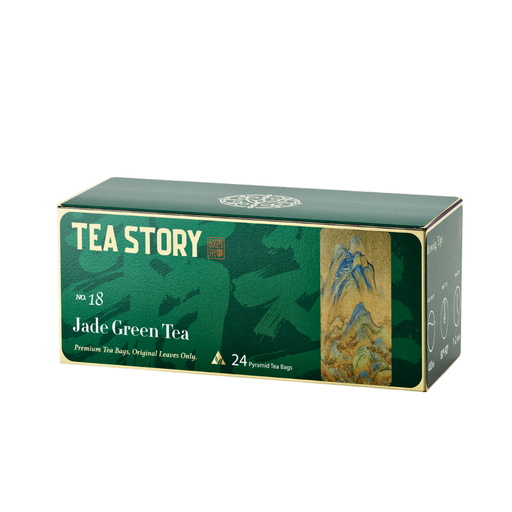 No image available
The individually portioned bags offer a plain green-tea option for guests. The product title claims ECOCERT organic status; check the certification information on the exact pack if organic certification is essential to your choice.
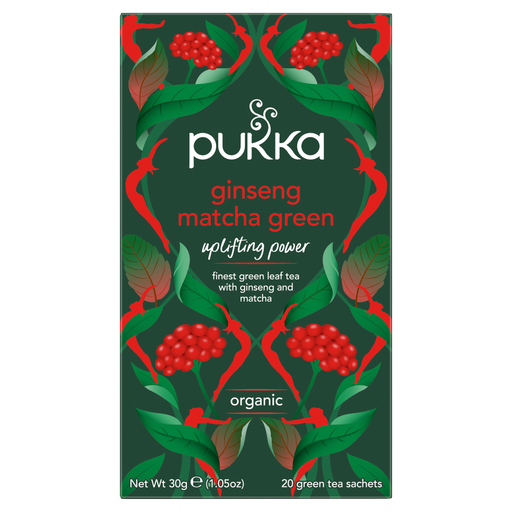 No image available
Consider this 30g matcha-containing green-tea blend if guests would prefer a blend to plain tea. Pukka says its products are organic certified; check the exact pack’s serving format, portion count and brewing directions when planning for a group.
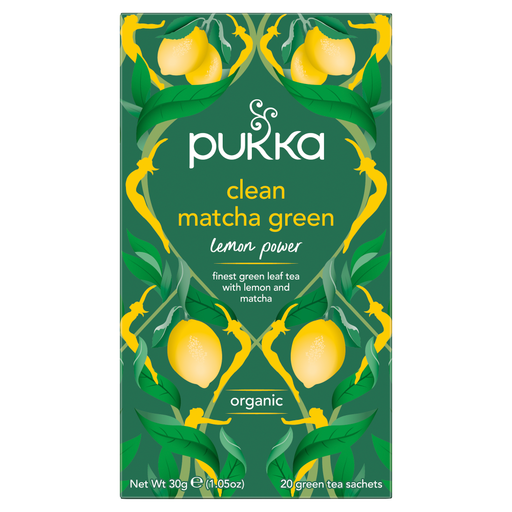 No image available
This 30g option is another matcha-containing green-tea blend rather than a plain green tea. Pukka says its products are organic certified; check the ingredients, serving format and brewing directions on the exact pack before buying for guests.
Check the organic claim on the exact pack or current product listing, rather than relying on the brand name. GOV.UK provides guidance on organic-food certification and labelling; a brand may sell both organic and other green teas.
No. A tea bag containing matcha can be a blend rather than pure matcha powder. Pukka describes Supreme Matcha Green as whole-leaf green tea with matcha powder and says matcha makes up 2% of that blend.
Follow the directions for the tea you are serving. For Clipper Organic Fairtrade Pure Green Tea, Clipper advises boiling the water, letting it cool for a minute and infusing the bag for 1–3 minutes.
Choose by expected attendance and the styles your guests want. Clipper lists 80 bags for its Organic Fairtrade Pure Green Tea, which may suit repeated servings; Pukka lists 20 bags for Supreme Matcha Green, a matcha-containing alternative to plain green tea.