Who is choosing this tea?
The useful distinction is whether organic labelling, a simple ingredient list, caffeine information or a particular flavour matters most to your choice.
Breastfeeding parents keeping track of caffeine
Green tea belongs in a tally that also includes caffeine from coffee, cola, chocolate and other sources. NHS breastfeeding pages give different daily caffeine figures, so check current advice with a health visitor or clinician if a limit affects your choice. A decaffeinated label is useful, but a precise limit calls for product-specific caffeine information.
Parents who prefer plain organic tea
A single-ingredient green tea makes the formulation easy to read. Check the organic claim on the exact pack: GOV.UK's UK organic food rules concern the product's production and labelling, not its caffeine content or suitability for an individual diet.
Green-tea drinkers choosing by flavour
Matcha, mint and jasmine styles offer alternatives to plain green tea. Compare the full ingredients and the particular product's caffeine information rather than treating a blend as interchangeable with a single-ingredient tea.
What should you check before buying?
Start with the exact pack's organic claim, then consider caffeine and ingredients separately. Choose the format and flavour only after those checks meet your needs.
| Priority |
What to check |
Your needs |
| Organic labelling |
Check that the exact tea is labelled organic, rather than relying on a brand or range name. GOV.UK says food labelled organic must meet organic production rules and contain at least 95% organic agricultural ingredients. |
I want the organic claim to apply to the tea I am buying, not just another product in the range. |
| Caffeine |
Distinguish regular from decaffeinated tea and check product-specific caffeine information if you need a precise figure. Include caffeine from other foods and drinks when considering your total intake. |
If I am pregnant, breastfeeding or otherwise monitoring caffeine, flavour and organic status alone will not answer my caffeine question. |
| Ingredients |
Read the full list: plain green tea differs from a product combining several teas, matcha or other ingredients. If you are considering herbal products alongside prescribed medicines, Guy's and St Thomas' NHS Foundation Trust advises against taking herbal products or certain supplements with those medicines. |
A short ingredient list appeals to me when I want plain tea; for a blend, I want to know what it contains before choosing it. |
| Format and flavour |
Compare bags, decaffeinated bags and matcha powder as distinct formats. Follow the chosen product's preparation instructions rather than assuming they use the same amount or brewing method. |
Some days I want a straightforward tea bag; at other times, a matcha or flavoured green tea may be the reason I am shopping. |
Brands and ranges to compare
Use these ranges to identify the type of tea you want, then check the organic claim and ingredients on the individual product.
Clipper
A reference point for plain organic green tea and an organic decaffeinated green-tea option.
- Clipper's pure green tea lists organically grown green tea as its ingredient, and its range lists Organic & Fairtrade Decaf Green Tea.
- The decaffeinated listing does not give a residual caffeine amount; check the current pack or ask the manufacturer if a precise figure matters.
Pukka
An option for shoppers considering organic green-tea blends rather than a plain, single-ingredient tea.
- Tesco describes Pukka Supreme Matcha Green as combining three green teas with matcha.
- Check the blend's current ingredients and caffeine information; its organic description does not establish that it is low in caffeine.
Twinings
A range to examine if you are comparing flavoured green teas, decaffeinated bags and matcha powder.
- Twinings lists Pure Green Decaffeinated tea bags and an organic Matcha Green Tea Powder.
- The matcha powder's organic description should not be applied to other Twinings green teas without checking their individual labels.
teapigs
A range for comparing green-tea styles such as Mao Feng, jasmine pearls and mint green tea.
- The teapigs green-tea collection identifies several leaf and flavour styles.
- Check the specific pack for an organic claim if certification is part of your decision.
Tesco
A retailer category in which to compare individual green-tea listings from different brands.
- Its green-tea listings include Clipper Organic Fairtrade Green Tea and Pukka Organic Supreme Matcha Green.
- Use each product's own listing and current pack to check ingredients, organic labelling and caffeine details.
Joybuy green-tea options
These Joybuy options cover green-tea bags and matcha powder for readers comparing a plain brew with a different green-tea format.
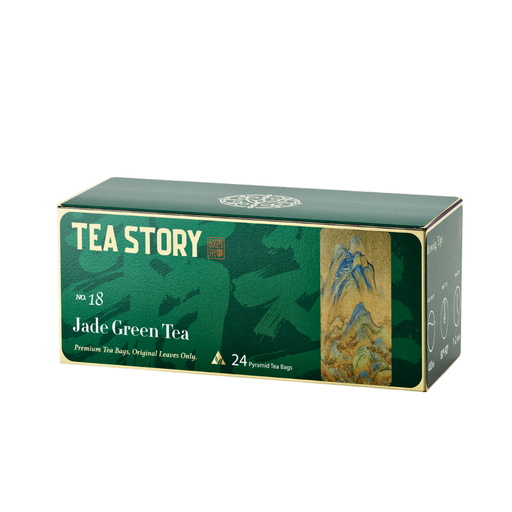 Image unavailable
TEA STORY Jade Green Tea ECOCERT Organic Pyramid Bags, Spring First Flush, 24 × 2g
Consider these green-tea bags if you want a plain tea-bag format. The product name specifies 24 pyramid bags of 2g each and makes an ECOCERT organic claim; check the current pack's certification details before relying on that claim. If you are tracking caffeine, check the product's caffeine information as part of your daily total.
View on Joybuy
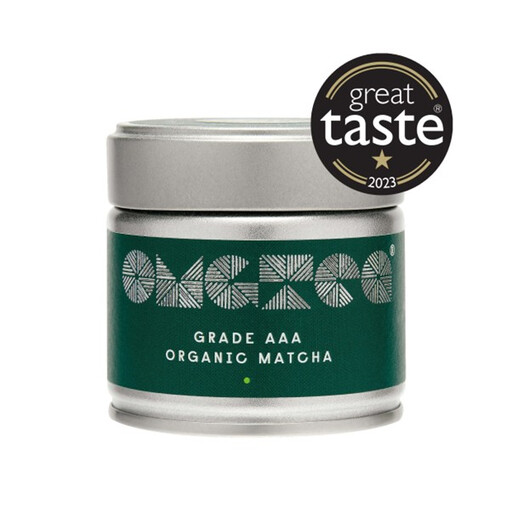 Image unavailable
OMGTea AAA Organic Matcha Green Tea, 30g
Consider this 30g matcha if you want a powder rather than green-tea bags. Its name makes an organic claim, which you can check against the current pack and certification details. Check the preparation directions and product-specific caffeine information if caffeine intake affects your choice.
View on Joybuy
Frequently asked questions
How can I check whether a green tea is organic in the UK?
Look for an organic claim on the exact product, rather than words such as “natural”. GOV.UK says food labelled organic must meet organic production rules and contain at least 95% organic agricultural ingredients; check the current pack when comparing different teas from the same range.
Does organic green tea contain caffeine?
Organic labelling does not mean caffeine-free. The NHS includes green tea among caffeine-containing drinks. Check the particular tea's information, especially if you are also counting caffeine from other foods and drinks.
What should I check when choosing green tea during pregnancy?
Account for caffeine from tea alongside your other daily sources. NHS pregnancy guidance says not to have more than 200mg of caffeine a day and includes tea among caffeine sources. A decaffeinated label can help you distinguish products, but check product information if you need a precise caffeine amount.
Why do NHS pages give different breastfeeding caffeine figures?
The NHS “Breastfeeding and diet” page recommends no more than 200mg a day, while its “What to eat and drink – Breastfeeding” page says to try not to exceed 300mg a day. If the difference affects a personal decision, check current advice with your health visitor, GP or maternity team rather than treating either figure as specific advice for you.
What if a green-tea blend contains herbs and I take prescribed medicines?
Read the blend's full ingredients rather than assuming that an organic claim settles the question. Guy's and St Thomas' NHS Foundation Trust advises against taking herbal products or certain dietary supplements with prescribed medicines; ask the prescribing healthcare professional about any herbal product you are considering.


