Plain-tea drinkers prioritising organic
If you want an uncomplicated green tea during a mid-morning break, look for the organic claim and ingredient list on the exact product. A single-ingredient tea keeps the choice distinct from a flavoured blend.


For a plain mid-morning cup, choose a product whose organic claim applies to the tea itself: Clipper Tea Shop lists organically grown green tea as the ingredient in its Organic Fairtrade Pure Green Tea. If you want mint or matcha alongside green tea, a blend such as Pukka Mint Matcha is a different choice, not a substitute with the same ingredients. Check the exact pack if organic certification or caffeine content is decisive; organic does not mean decaffeinated.
If you want an uncomplicated green tea during a mid-morning break, look for the organic claim and ingredient list on the exact product. A single-ingredient tea keeps the choice distinct from a flavoured blend.
If mint or matcha is part of the appeal, compare the full ingredient lists rather than treating every product called green tea as interchangeable. Check the organic information for the blend you intend to buy.
Organic certification does not tell you whether green tea is decaffeinated. Check the exact product’s caffeine or decaffeinated information if that distinction affects your choice.
Start with the organic claim on the exact product, then choose between plain tea and a blend. Caffeine information and brewing directions can help settle the choice for a mid-morning cup.
| Priority | What to check | Your needs |
|---|---|---|
| Organic claim | Read the exact pack’s organic wording, ingredients and certification information. Do not rely on a retailer category or another tea in the brand’s range. | I want the organic claim to apply to the green tea I buy, not just to the brand. |
| Ingredients | Compare a plain tea’s ingredient list with the herbs and teas in a blend. Clipper Tea Shop lists organic pure green tea for its 80-bag product; Pukka describes Mint Matcha Green Tea with mint, sencha and matcha. | For a straightforward cup, I would choose plain tea. If I want mint or matcha, I would check which other ingredients come with them. |
| Caffeine | Look for product-specific caffeine or decaffeinated wording; an organic claim does not answer this question. The NHS gives separate advice on total caffeine intake during pregnancy. | I need to know whether this tea fits the way I manage caffeine during the day. |
| Preparation | Follow the directions for the particular tea rather than transferring one method to another. Clipper gives a one-to-three-minute infusion for its Organic Fairtrade Pure Green Tea; teapigs specifies 80°C water and three minutes for Mao Feng. | I want a cup I can prepare using the directions for the tea I have chosen. |
Pukka says its products are organic certified, but a brand’s reputation or a shop filter is no substitute for identifying the product on the pack. The checked Twinings Pure Green Tea information, for example, does not establish an organic claim for that tea.
Check the product name, ingredients and organic information on the pack you intend to buy.
Pukka’s Mint Matcha Green Tea is described with mint, sencha and matcha. Clipper Tea Shop lists organic pure green tea for its plain 80-bag product, so the ingredient choices are different.
Choose a blend for its named ingredients; choose plain tea when you want green tea without those additions.
Organic status does not establish that a tea is decaffeinated. Teapigs states that its Mao Feng green tea naturally contains caffeine.
Check whether the exact product is labelled decaffeinated if limiting caffeine matters to you. The NHS provides guidance on caffeine intake during pregnancy.
These references help distinguish particular plain teas, blends and brewing instructions; a brand’s inclusion does not establish the organic status of every product it sells.
Clipper Organic Fairtrade Pure Green Tea is a reference for a plain, organic-claim tea bag.
Pukka is relevant when a flavoured green-tea blend, rather than plain tea, is the intended purchase.
Twinings lists pure, flavoured and decaffeinated green teas, giving shoppers different product types to compare.
Teapigs Mao Feng is a reference for a named green-tea style with product-specific brewing directions.
Tesco is a retailer reference for comparing listed green-tea brands and pack formats, rather than a product-level organic claim.
These options include flavoured green-tea blends, plain green-tea bags and matcha. They serve different ingredient preferences for a mid-morning drink; check the exact pack when its organic claim or caffeine information is important to your choice.
 No image available
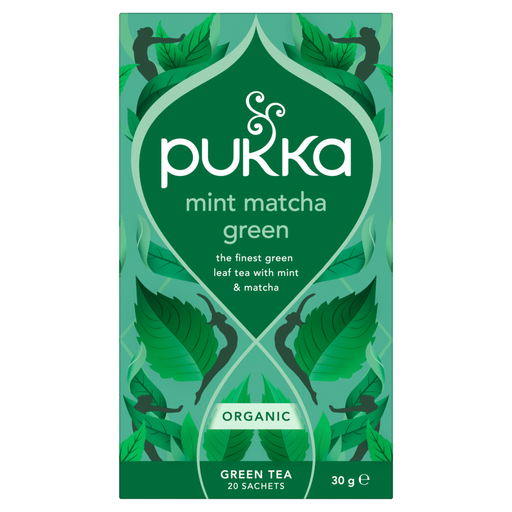
Consider this when you want mint and matcha rather than a plain green-tea bag. Check the pack’s tea-base ingredients before buying: this listing describes a different base from the sencha in Pukka’s Mint Matcha product description. Pukka says its products are organic certified; check the exact pack if certification or caffeine information is decisive.
 No image available
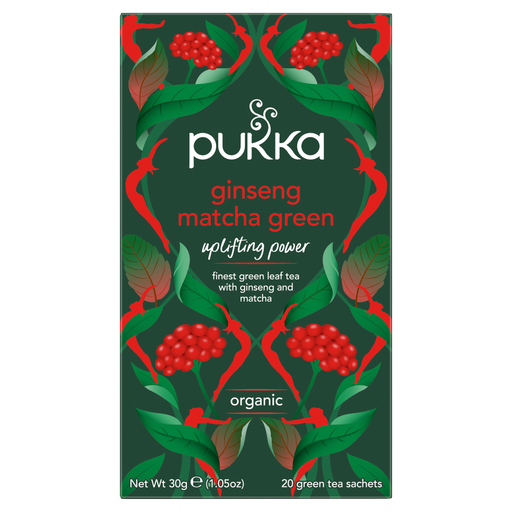
This is a matcha-green tea blend to consider if you want additional ingredients rather than plain tea. Read the full ingredient list, including the herbs, before choosing it. Pukka says its products are organic certified; check the exact pack for certification and caffeine information relevant to you.
 No image available
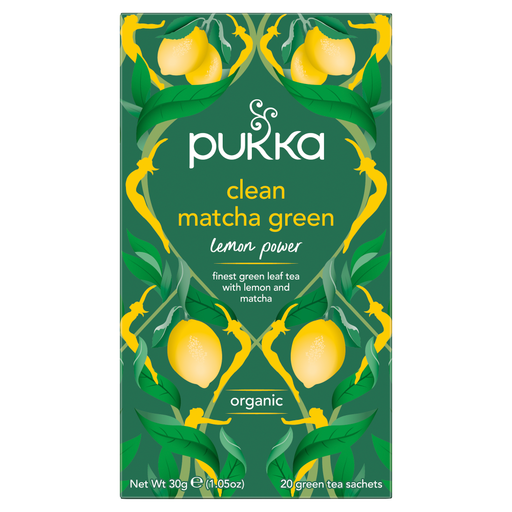
Choose between this named matcha blend and a plain tea by checking whether you want its full mix of tea and other ingredients. The word ‘Clean’ is part of the product name, not a nutritional claim. Pukka says its products are organic certified; check the exact pack for the details that matter to you.
 No image available
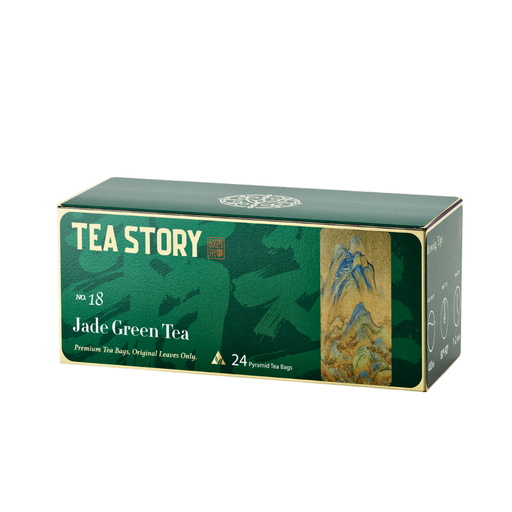
These green-tea bags are an option if you would rather prepare a plain cup than use a flavoured blend. The product title claims ECOCERT Organic; check the pack’s certification information before relying on that claim. Check its caffeine information if that affects your choice.
 No image available
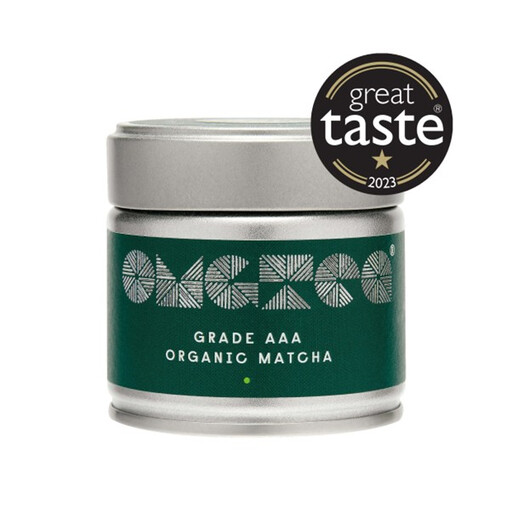
Consider this if you want matcha rather than a conventional green-tea bag. ‘Organic’ appears in the product name; check the exact pack for certification details, preparation directions and caffeine information before choosing it.
Check that the claim applies to the exact product, then read its ingredient list and certification information on the pack. GOV.UK’s organic-food guidance describes conditions for using an organic food label; a brand name or retailer category alone does not identify the ingredients and certification details of the tea in your basket.
It can: organic and decaffeinated describe different things. Teapigs says its Mao Feng green tea naturally contains caffeine. If caffeine matters to your choice, look for caffeine information or a clearly labelled decaffeinated product; the NHS gives specific advice on caffeine intake during pregnancy.
Choose plain green tea when you want green tea without the additional ingredients of a blend. Clipper Tea Shop lists organic pure green tea for its 80-bag product, whereas Pukka describes its Mint Matcha Green Tea with mint, sencha and matcha. Check the exact pack because similarly named blends need not have identical formulations.
Follow the directions for the product you buy. Clipper advises letting boiled water cool for one minute and infusing its Organic Fairtrade Pure Green Tea for one to three minutes; teapigs specifies 80°C water and three minutes for its Mao Feng. Those instructions apply to their respective teas, not every green tea or matcha product.