Shoppers who require organic certification
If organic status matters to you, check the claim on the exact green-tea pack rather than relying on words such as “natural”. Check the ingredients too, particularly for a blend.


For a short revision break, a plain organic green-tea bag takes fewer preparation steps; choose a blend for different ingredients or matcha powder if you are willing to measure and mix it. If organic status is essential, check the exact pack: the UK Department for Environment, Food & Rural Affairs says organic food labelling requires compliance with organic-production rules and certification of the product and suppliers. Green tea naturally contains caffeine, but its format does not establish a study-focus benefit.
If organic status matters to you, check the claim on the exact green-tea pack rather than relying on words such as “natural”. Check the ingredients too, particularly for a blend.
A tea bag suits a break when you want to steep a drink without measuring and mixing powder. Compare the brewing instructions with the time and equipment you have.
Green tea contributes caffeine alongside any coffee, energy drinks or caffeine-containing supplements you use. If reducing caffeine matters, check whether the exact tea is labelled decaffeinated rather than assuming an organic or matcha product is caffeine-free.
Start with the format you will prepare during a revision break, then check the organic claim, ingredients and caffeine information for the exact product.
Choose when: You want to steep a straightforward green-tea drink between study sessions.
Bear in mind: A regular green-tea bag still contains tea-derived caffeine unless the particular product is decaffeinated.
Choose when: You prefer additional ingredients, such as mint, while keeping a tea-bag routine.
Bear in mind: A bag described as matcha green tea is not necessarily pure matcha powder; check its ingredients and format.
Choose when: You specifically want powder to prepare as a drink or use in a snack.
Bear in mind: Powder needs measuring and mixing rather than simply steeping a bag.
| Priority | What to check | Your needs |
|---|---|---|
| Organic status | Check the organic claim on the exact pack or listing and read the ingredients. UK Department for Environment, Food & Rural Affairs guidance restricts organic food labelling to products meeting organic-production and certification conditions. | I want a product that meets my organic requirement, not one that simply uses natural-sounding descriptions. |
| Preparation | Read the stated infusion or mixing method and check what equipment it needs. Clipper describes a 1–3 minute infusion for its organic pure green-tea bags; Twinings gives a measured preparation method for its organic matcha powder. | On a short break, I would rather steep a bag; for a planned break, I may have time to measure and mix powder. |
| Caffeine | Check for a decaffeinated designation and any caffeine information for the exact product and prepared serving. Twinings notes that brewing time affects caffeine extraction from tea. | If I also have coffee or another caffeine-containing product, I want to account for the tea rather than assume every cup contains the same amount. |
| Matcha format | Read whether the product is a tea-bag blend containing matcha or a powder declared as 100% matcha. Twinings describes its 30 g organic product as 100% matcha powder. | I want to know whether I am buying a flavoured green-tea bag or powder that I will prepare myself. |
“Green tea” names the tea type, not its certification status. UK Department for Environment, Food & Rural Affairs guidance sets conditions for using “organic” on food labels.
Check the organic claim and ingredients on the exact product you intend to buy.
A green-tea bag containing matcha and a product declared as 100% matcha powder have different ingredients and preparation methods.
If you want pure powder, look for an explicit 100% matcha powder ingredient declaration; if you want to steep a bag, check the blend’s ingredients instead.
Tea naturally contains caffeine, but organic status and matcha wording do not establish how a particular drink will affect your revision.
Choose by the organic claim, ingredients and preparation format. If caffeine matters, check information for the exact product or look for one specifically labelled decaffeinated.
These examples show why the exact product matters: a brand may offer different green-tea formats or products with different organic claims.
A reference for shoppers seeking a plain organic green-tea bag.
A reference for shoppers interested in organic green-tea blends rather than plain green tea.
A reference for comparing matcha powder with a separately selected decaffeinated tea.
A reference for shoppers considering a pure green tea while checking organic status separately.
These options include two matcha-style powders and a green-tea bag for revision breaks. Check the exact pack’s organic claim if certification is essential to your choice.
 No image available
Consider this 30 g matcha option if you want a powder-based drink or snack preparation during a planned revision break. Check the exact pack’s organic certification if that is a requirement, and check the gift-set contents if you need particular preparation accessories.
 No image available
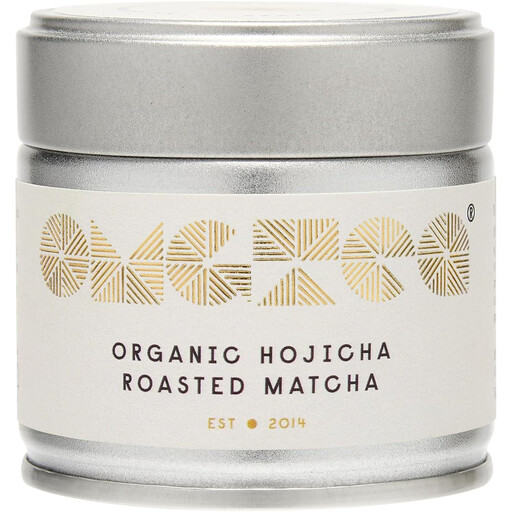
This 30 g roasted matcha option suits a break when you are prepared to mix a powder rather than steep a tea bag. If organic certification is essential, check the claim on the exact pack.
 No image available
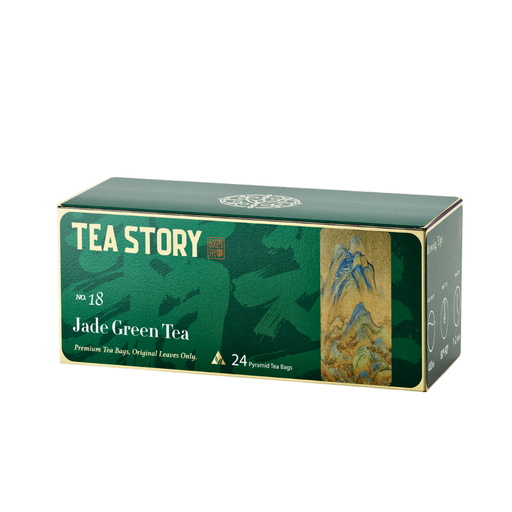
The 24 pyramid bags, each labelled 2 g, offer a steeped green-tea format for a revision break. The product name makes an ECOCERT organic claim; check certification on the exact pack if it is a condition of your purchase. Green tea naturally contains caffeine.
Check the organic claim on the exact product pack or listing and read its ingredients. UK Department for Environment, Food & Rural Affairs guidance says food labelled “organic” must meet organic-production rules, with the product and suppliers certified under the applicable conditions.
No: “green tea” describes the tea, not its organic status. Check the exact product’s organic claim rather than assuming that a brand’s other teas, or green tea in general, meet your requirement.
Organic status does not establish a focus benefit. Tea naturally contains caffeine, according to the Food Standards Agency, but neither an organic label nor the word “matcha” tells you how a particular drink will affect your studying.
A tea bag avoids the measuring and mixing required for matcha powder. Clipper gives a 1–3 minute infusion method for its organic pure green-tea bags, while Twinings describes a measured method for its organic matcha powder; check the instructions on the product you choose.
Count tea as another possible source of caffeine rather than assuming green tea is caffeine-free. The Food Standards Agency identifies tea and coffee as natural caffeine sources; if you want to reduce caffeine, check the exact tea’s information or choose a specifically decaffeinated product.