What should you check before buying?
Start with the exact pack’s organic wording, then match its format and ingredients to how the second home is used.
| Priority |
What to check |
Your needs |
| Organic status |
Read the organic claim on the exact product and check its ingredients. The Department for Environment, Food & Rural Affairs says food labelled organic must meet organic-labelling rules, including the requirement that at least 95% of its agricultural ingredients are organic. |
I want the green tea I stock to be organic, not merely from a brand that also sells organic products. |
| Pack size and storage |
Compare the bag count with likely use, check the best-before date and follow the pack’s storage instructions. Clipper specifies cool, dry storage for its 80-bag organic green tea; Twinings says each bag in its Green Tea Discovery Collection has its own envelope, but that collection’s organic status needs checking separately. |
If the property stands empty for weeks, I would rather choose a pack I expect to finish than leave a large opened box in the cupboard. |
| Tea style |
Compare plain tea with the actual ingredients in flavoured or matcha-containing blends. Pukka lists mint, sencha and matcha in Mint Matcha Green; Clipper’s lemon green tea contains flavouring and lemon peel. |
Plain green tea would cover my usual cupboard needs; I would add a blend for guests who are likely to want that flavour. |
| Caffeine |
Check the exact product if someone needs to avoid or limit caffeine; neither “green tea” nor “organic” means caffeine-free. NHS pregnancy guidance identifies tea as a caffeine source and sets a 200mg daily caffeine limit during pregnancy. |
Someone using the property may need to keep track of caffeine from tea alongside other food and drinks. |
Brand and retailer references
These examples illustrate product formats to check; a brand’s inclusion does not establish the organic status of every tea it sells.
Clipper
Clipper Tea Shop identifies its Pure Green 80-bag product as organic green tea and specifies cool, dry storage.
- The 80-bag plain-tea format is worth considering for regular stays or several drinkers.
- Check each variant separately: Clipper’s lemon green tea also contains flavouring and lemon peel.
Pukka
Pukka describes its products as certified organic. Its Mint Matcha Green is a 20-bag blend of mint, sencha and matcha.
- The smaller blend format offers an option when mint and matcha are wanted.
- Check the chosen blend’s ingredients and caffeine information rather than treating it as plain green tea.
Twinings
Twinings says every bag in its Green Tea Discovery Collection is sealed in an individual envelope. It separately lists an organic matcha powder.
- Individual envelopes offer a format to consider when visits are occasional or guests want variety.
- Do not assume the Discovery Collection itself is organic; check its exact pack if organic tea is required.
Teapigs
Teapigs lists plain and flavoured green teas, including mao feng and green tea with mint.
- Its range provides green-tea styles to compare by format and flavour.
- Check the exact pack for an organic claim; the cited product information establishes that mao feng contains caffeine, not that it is organic.
Yogi Tea
Tesco has listed a Yogi Tea Organic Green Energy Tea as a Marketplace item.
- The listing identifies a named organic green-tea blend to investigate.
- Confirm the current product’s ingredients, organic labelling and seller before choosing it for the cupboard.
Tesco
Tesco lists Clipper Organic Fairtrade Green Tea and Pukka Organic Supreme Matcha Green as branded products.
- Its product pages provide a way to compare the stated pack sizes and ingredients of those specific teas.
- These listings do not establish a Tesco own-brand organic green tea. Tesco advises shoppers to read food labels because products can be reformulated.
Green-tea options on Joybuy
These options cover green-tea bags and matcha powder for a second-home cupboard. Check the organic wording on the exact pack before relying on it, and choose between bags and powder according to how you plan to prepare the tea.
 No image available
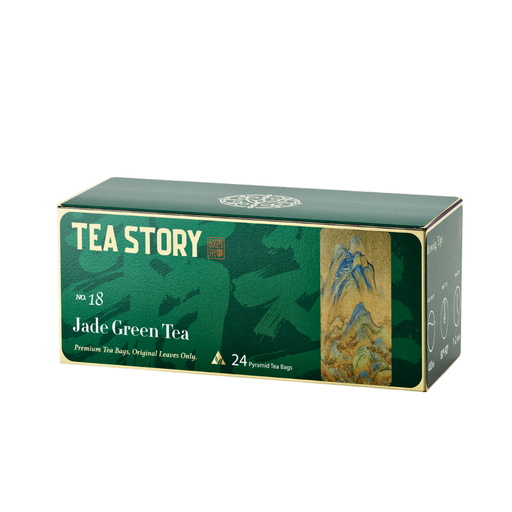
TEA STORY Jade Green Tea, 24 pyramid bags × 2g
The 24-bag format is an option to consider when visits are intermittent. The product title makes an ECOCERT organic claim; check that wording on the exact pack, along with its best-before date and storage instructions, before stocking the cupboard.
View on Joybuy
 No image available
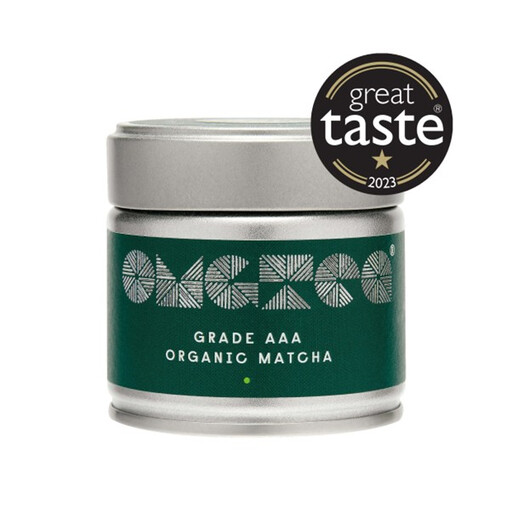
OMGTea AAA Organic Matcha Green Tea, 30g
This is a 30g matcha option rather than tea bags, so choose it if powder is the format you intend to use. Check the title’s organic claim on the exact pack, as well as its best-before date and storage instructions after opening.
View on Joybuy
Questions about stocking green tea
How can I check whether a green tea is organic?
Check the organic claim and ingredients on the exact finished product, rather than relying on the brand name or words such as “natural”. The Department for Environment, Food & Rural Affairs says food labelled organic must meet organic-labelling rules, including a requirement that at least 95% of its agricultural ingredients are organic.
What pack size should I keep at a second home?
Match the pack to likely use: a larger box can suit frequent stays or several drinkers, while a smaller box may be easier to use during occasional visits. Check the best-before date and storage instructions before buying; separately enveloped bags are another format to consider, provided the exact tea meets any organic requirement.
Does a best-before date mean green tea is unsafe afterwards?
No: GOV.UK distinguishes best-before dates, which concern quality, from use-by dates, which concern safety. For a cupboard used between visits, check the date so the pack suits when you expect to drink it.
Is organic green tea caffeine-free?
No. Organic status does not indicate that a tea is caffeine-free, so check the exact product if caffeine needs to be limited. NHS pregnancy guidance identifies tea as a caffeine source and advises a limit of 200mg of caffeine a day during pregnancy, counting caffeine from other food and drinks too.
Should I stock plain green tea or a flavoured blend for guests?
Stock plain green tea if that is what visitors usually drink; add a blend when you know its flavour will be welcome. Ingredients differ: Clipper’s lemon green tea contains flavouring and lemon peel, while Pukka’s Mint Matcha Green combines mint, sencha and matcha.


