Short-break tea drinkers
A plain organic teabag suits a straightforward cup with a snack. Clipper gives a 1–3 minute infusion time for its Organic & Fairtrade Green Tea; follow the directions on whichever pack you choose.


For a short afternoon break, an organic plain-green-tea bag is the simplest choice; choose an organic mint-and-matcha blend if you prefer a flavoured cup, or matcha powder if you have time to measure and whisk it. Check the organic claim on the specific product, and bear in mind that organic green tea still contains caffeine—particularly if your snack break is late in the day.
A plain organic teabag suits a straightforward cup with a snack. Clipper gives a 1–3 minute infusion time for its Organic & Fairtrade Green Tea; follow the directions on whichever pack you choose.
If plain green tea is not the flavour you want, Pukka describes its organic Mint Matcha Green teabags as a blend of mint, sencha and matcha.
Organic green tea is not necessarily decaffeinated. University Hospital Southampton NHS Foundation Trust advises avoiding caffeine after 2pm in its sleep-hygiene guidance, so the time of your break matters if caffeine affects your sleep.
Start with the organic claim on the individual product, then choose the flavour and preparation method that fit your break.
| Priority | What to check | Your needs |
|---|---|---|
| Organic status | Look for an organic claim on the specific pack or listing, including for a flavoured blend. UK organic food-labelling guidance from the Department for Environment, Food & Rural Affairs requires applicable production rules and approved-control-body certification. | I want the green tea I buy—not merely another product from the same brand—to carry an organic claim. |
| Flavour and format | Compare a plain-green-tea bag with a mint-and-matcha blend or powder. Check the ingredients and whether preparation calls for steeping, measuring or whisking. | For a quick cup, I would rather steep a bag; for a different flavour or a powdered-tea drink, I can allow more preparation time. |
| Brewing | Follow the chosen pack. The UK Tea & Infusions Association suggests water around 80°C for green tea; Clipper specifies a 1–3 minute infusion for its Organic & Fairtrade Green Tea, while Twinings gives measuring and whisking directions for its Organic Matcha Green Tea Powder. | I need a preparation method that works during my snack break, whether that means steeping a bag or making matcha. |
| Caffeine timing | Do not treat organic as caffeine-free. Check for a decaffeinated label if that is what you need, and consider caffeine from other drinks and foods. University Hospital Southampton NHS Foundation Trust advises avoiding caffeine after 2pm for sleep hygiene. | My break can fall late in the day, so I want to consider whether a caffeinated cup fits my bedtime routine. |
Organic describes how a product is produced and certified, not whether its tea leaves contain caffeine. A late-afternoon cup may not fit a caffeine-sensitive drinker’s routine.
If you need to avoid caffeine, check the named product for a decaffeinated label or choose a caffeine-free drink. Consider caffeine from the rest of your day as well.
A brand can offer organic and other green teas in the same range. Twinings lists an organic matcha powder alongside other green-tea products, for example.
Check the individual pack or listing for its organic claim. Department for Environment, Food & Rural Affairs guidance sets certification conditions for food marketed as organic in the UK.
Matcha powder takes a different routine from steeping a bag: Twinings instructs buyers of its Organic Matcha Green Tea Powder to measure 1 g and whisk it with water.
Choose a teabag if a short steep is what you want; choose powder when you are happy to prepare it.
A bag and a powder come with different directions. Even among teabags, the recommended water temperature and infusion time can vary.
Read the chosen pack first. For a general starting point, the UK Tea & Infusions Association suggests water around 80°C for green tea.
Its Organic & Fairtrade Green Tea is a plain-green-tea teabag option for a short break.
Its Mint Matcha Green teabags offer an organic, flavoured alternative to plain green tea.
Its range includes a 30 g Organic Matcha Green Tea Powder for shoppers considering a powdered preparation.
Its green-tea range includes plain and flavoured choices, such as mao feng and green tea with mint.
These options cover a plain-green-tea bag and several powdered green-tea preparations for an afternoon break. Organic wording in a product name should be checked against the current product details and pack before buying.
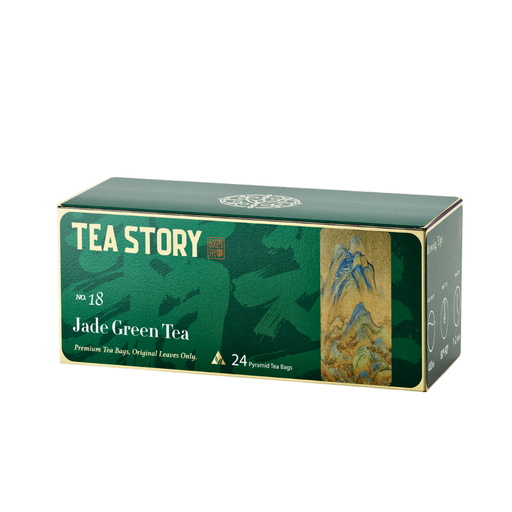 Image unavailable
Teabags are the straightforward format here if you want a plain green tea with your snack. The title lists 24 pyramid bags of 2g each; check the current pack for the ECOCERT organic claim and brewing directions.
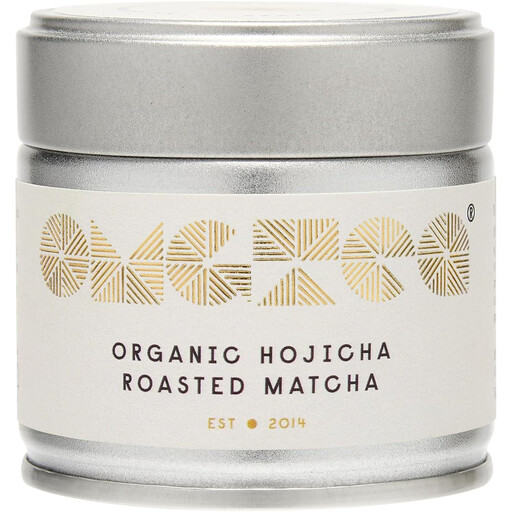 Image unavailable
Consider this 30g roasted matcha powder if you want a powdered-tea preparation rather than a steeped bag. Allow for preparation during your break, and check the current pack for its organic claim and instructions.
 Image unavailable
This 30g matcha gift-set option fits a break when you want to prepare powder rather than steep a teabag. Check the current listing for the set contents, organic details and preparation directions.
Image unavailable
This 30g matcha powder is another option if you prefer preparing a powdered drink to steeping a bag. Check the current pack for its organic claim and preparation and storage directions.
Under Department for Environment, Food & Rural Affairs guidance, food marketed as organic must meet applicable production rules, with the product and suppliers certified by an approved organic control body. At least 95% of a labelled food product’s agricultural ingredients must be organic. Check the claim on the particular green tea you intend to buy.
No: an organic claim concerns production, not caffeine content. Treat green tea as a caffeinated drink unless the particular product is labelled decaffeinated.
Consider the caffeine in green tea when deciding whether a late cup fits your bedtime routine. University Hospital Southampton NHS Foundation Trust says caffeine can take up to six hours to wear off and advises avoiding it after 2pm for sleep hygiene; a decaffeinated or caffeine-free option may fit better if you are sensitive to it.
Follow its pack directions for water temperature and infusion time. The UK Tea & Infusions Association suggests around 80°C for green tea; Clipper instructs buyers of its Organic & Fairtrade Green Tea to let boiled water cool for a minute and infuse the bag for 1–3 minutes.
Not necessarily every ingredient: Department for Environment, Food & Rural Affairs guidance requires at least 95% of the agricultural ingredients in food labelled organic to be organic. Read the particular blend’s ingredient list and organic claim rather than assuming the same status applies across a brand’s range.