Plain green-tea drinkers
If you want a simple tea for regular winter cups, look for an organic claim on the exact product and read its ingredient list. Clipper Organic Fairtrade Pure Green Tea lists organically grown green tea.


For a plain winter cup, choose a green tea whose exact pack or listing identifies it as organic; Clipper Organic Fairtrade Pure Green Tea is one example with green tea as its listed ingredient. Choose an organic matcha blend if you want a blended tea instead, or organic green rooibos if a naturally caffeine-free drink matters more than buying true green tea. Check the ingredients, format and brewing directions for the particular product before buying.
If you want a simple tea for regular winter cups, look for an organic claim on the exact product and read its ingredient list. Clipper Organic Fairtrade Pure Green Tea lists organically grown green tea.
If you would rather have a blend than a single-ingredient tea, Pukka Organic Supreme Matcha Green is listed as combining three green teas with matcha. Check whether you want tea bags or matcha powder, as they are different formats.
If caffeine avoidance is the deciding factor, consider an alternative rather than assuming green tea will meet that need. Tesco describes Tick Tock Organic Rooibos Green as naturally caffeine-free; its listed ingredient is green rooibos, not green tea.
Start with the organic claim and ingredient list on the exact product. Then decide whether you want plain green tea, a matcha product or a caffeine-free drink made from a different plant.
| Priority | What to check | Your needs |
|---|---|---|
| Organic status | Check the organic wording on the exact pack or listing, then read the current product and certification information. Do not apply one tea’s claim to another product from the same brand. | I want the particular tea I buy to be labelled organic, not just another product in its range. |
| Tea format | Read the ingredients and format: Clipper’s Organic Fairtrade Pure Green Tea lists green tea, while Tesco describes Pukka Organic Supreme Matcha Green as three green teas combined with matcha. Matcha powder and a latte mix are different purchases again. | Would I prefer a plain tea bag, a matcha blend, powder to prepare myself or a latte-style mix? |
| Caffeine avoidance | Check the product’s caffeine description and botanical ingredient. Tesco describes Tick Tock Organic Rooibos Green as naturally caffeine-free and lists green rooibos as its ingredient; it is not green tea. | For an evening drink, I may prefer a caffeine-free rooibos alternative, provided I am not looking specifically for green tea. |
| Preparation | Follow directions for the tea you choose rather than using one method for every format. Clipper advises letting boiled water cool for a minute before infusing its Organic Fairtrade Pure Green Tea bag for 1–3 minutes. | I want a preparation method that fits how I make a hot drink at home. |
| Pack quantity | Compare the stated bag count and net weight, especially across different formats: the cited Clipper box contains 80 bags, while the cited Pukka matcha blend contains 20 bags. | How many bags or how much tea will I use during my winter routine? |
An organic claim applies to the particular product. Twinings also has an organic collection, but its Pure Green Tea page does not identify that specific product as organic.
Check the exact pack or listing before treating a green tea as an organic purchase.
Tesco lists green rooibos as the ingredient in Tick Tock Organic Rooibos Green and describes the drink as naturally caffeine-free. Rooibos is not green tea.
Choose it when you want that caffeine-free alternative; if you want green tea, check that the ingredient list names green tea.
These examples help distinguish product types; a brand’s inclusion does not mean that every tea it sells is organic.
Clipper’s Organic Fairtrade Pure Green Tea is a reference point for a plain, bagged organic green tea.
Pukka Organic Supreme Matcha Green is an option to consider if you want a green-tea blend with matcha rather than a plain tea.
Twinings Pure Green Tea provides a useful reminder to check organic status at product level.
These listings offer three different ways to make a winter green-tea drink: bagged green tea, matcha powder and a matcha latte mix. Check the current pack and product information before relying on an organic claim.
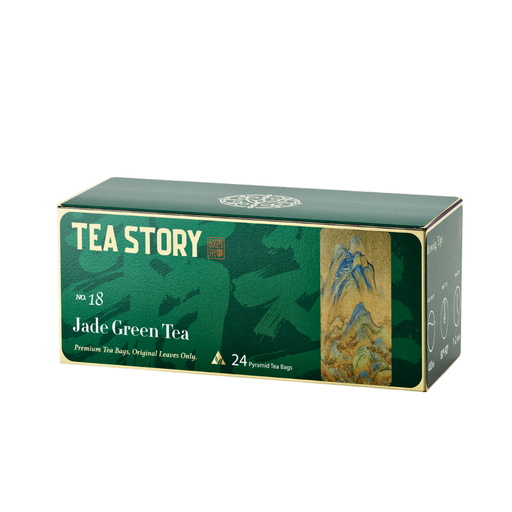 No image available
A bagged green tea for making individual hot cups. The listing uses ECOCERT Organic wording; check the current pack and certification details if organic status is essential to your choice.
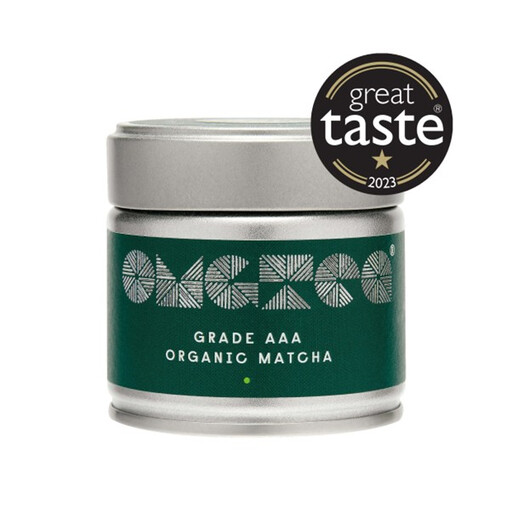 No image available
Matcha powder rather than tea bags, for someone who wants to prepare a matcha drink. Check the current pack’s organic details and the preparation directions before buying.
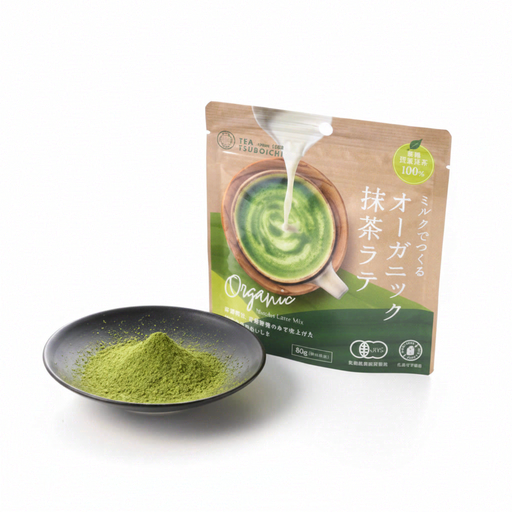 No image available
A matcha latte mix for a drink made with hot water or milk, rather than plain green tea. Check the full ingredient list and which ingredients the organic claim covers on the current pack.
Start with the claim on the exact pack or product listing, not the brand’s general description. The UK Department for Environment, Food & Rural Affairs’ organic food guidance says an organic food label requires compliance with organic production rules, at least 95% organic agricultural ingredients, and certification of the product and suppliers by an approved organic control body.
No. Clipper Organic Fairtrade Pure Green Tea lists green tea as its ingredient, while Tesco describes Pukka Organic Supreme Matcha Green as combining three green teas with matcha. Read the ingredients and choose the format you want.
Clipper advises boiling fresh water, leaving it to cool for a minute, then pouring it over the bag and infusing for 1–3 minutes. Those are directions for this Clipper product, not every green tea or matcha format.
It is a caffeine-free alternative, not green tea. Tesco describes Tick Tock Organic Rooibos Green as naturally caffeine-free and lists green rooibos (Aspalathus linearis) as its ingredient.
Yes. Tesco notes that food ingredients and other product information can change. Read the current label when organic status, ingredients or dietary suitability affect your decision.