Shoppers checking organic claims
If organic status matters to you, check the claim on the individual tea and biscuit packs rather than relying on a brand name or a general description of the range.


Choose a single-herb infusion if a short ingredient list matters most, or a multi-herb blend if you want a different mix of flavours and are willing to check every botanical. For an organic tea-and-biscuits break, check each pack separately: UK organic food labelling has production rules, while an organic tea does not establish that the biscuits are organic or suitable for someone with an allergy. Check the exact blend for caffeine and treat wellbeing-themed names as names, not medical claims.
If organic status matters to you, check the claim on the individual tea and biscuit packs rather than relying on a brand name or a general description of the range.
Look for a caffeine-free statement on the exact infusion. Yogi Tea notes that some of its products contain black or green tea, so the brand or blend style alone is not enough to decide.
Read the full botanical list and the biscuit’s ingredients. This matters particularly when avoiding an ingredient, checking an allergen or choosing herbal tea during pregnancy.
Start with the two packs, then decide whether ingredient simplicity, flavour or caffeine status matters most for your break.
| Priority | What to check | Your needs |
|---|---|---|
| Organic claim | Check the exact tea and biscuit packs for their own organic claims. The Department for Environment, Food & Rural Affairs says UK foods labelled organic must meet organic production rules and have at least 95% organic agricultural ingredients. | I want to know whether both parts of my tea-and-biscuits break carry an organic claim, rather than assuming one product’s claim covers the other. |
| Herbs and flavour | Compare the ingredient lists. Twinings Organic Pure Camomile lists 100% organic camomile; Yogi Tea Bedtime lists several certified-organic botanicals. | A short list helps me choose a particular herb, while a blend gives me a different combination of flavours to consider. |
| Caffeine | Look for a caffeine-free statement on the specific pack and check for black or green tea. Yogi Tea says some of its products contain these teas, which naturally contain caffeine. | For a caffeine-free break, I want confirmation for the blend I am buying, not an assumption based on its name. |
| Botanical suitability | Read every herb in a blend, including any liquorice root. NHS pregnancy guidance advises avoiding herbal teas containing liquorice root. | If pregnancy or another personal consideration affects my choice, I need to assess the exact blend rather than treating organic as a suitability claim. |
| Biscuit allergens | Check the biscuit ingredients for allergens relevant to you, even if the biscuits are organic. GOV.UK says regulated allergens used as ingredients in prepacked food must be clearly labelled in the ingredients list. | I need the biscuits to meet my ingredient requirements independently of the tea. |
A brand or retailer can offer both organic and non-organic products. In the UK, organic is a claim about a food that must meet production and labelling rules.
Check the organic declaration and ingredients on each tea and biscuit pack you intend to buy.
Yogi Tea says some of its products include black or green tea, which naturally contains caffeine.
If avoiding caffeine matters, choose a product whose own pack or page identifies it as caffeine-free.
The NHS says herbal medicines are not tested for effectiveness in the same way as standard medicines. A tea’s name does not establish a medical effect.
Choose the drink for its stated ingredients and flavour; seek appropriate professional advice about a health condition or medicines.
Organic biscuits can still contain allergens. The biscuit’s ingredient list matters separately from the tea’s certification.
Read the biscuit’s labelled ingredients whenever you change product or variant.
These brands illustrate different ranges and product-level checks; a brand reference does not establish that a particular product is available at Joybuy.
Pukka says all its products are certified organic and offers herbal blends with different botanical combinations.
Twinings sells herbal infusions as well as a distinct organic range. Its Organic Pure Camomile page lists 100% organic camomile.
Clipper’s organic chamomile and peppermint product pages identify their respective herbs.
Yogi Tea offers multi-botanical blends; its Bedtime product page lists certified-organic ingredients.
Teapigs sells herbal teas, including Calm, whose product page lists organic chamomile, lemongrass, lemon balm and valerian root.
Tesco is a retailer where tea and biscuits can be considered together; its biscuit listings include organic and conventional products.
These herbal teas offer single-flavour-led and multi-botanical options to consider with biscuits. Check each pack’s organic declaration, ingredients and caffeine information against what you need.
 No image available
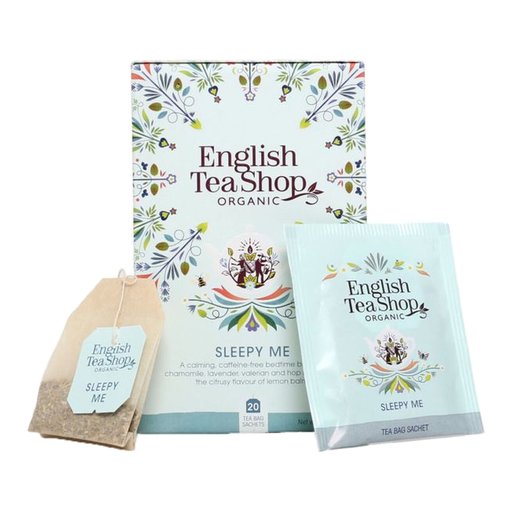
An evening-style herbal blend to consider for a tea-and-biscuits break. Check its full botanical list for suitability and confirm the organic details on the pack; do not treat the name as a sleep claim.
 No image available
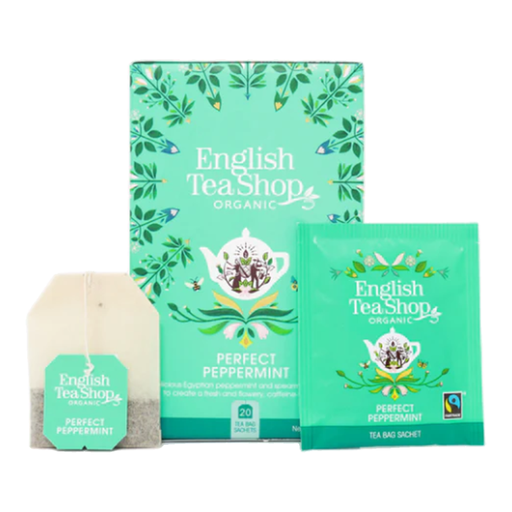
A mint option for a break with biscuits. This is a peppermint-and-spearmint blend, not a single-herb infusion; check the pack’s organic declaration.
 No image available
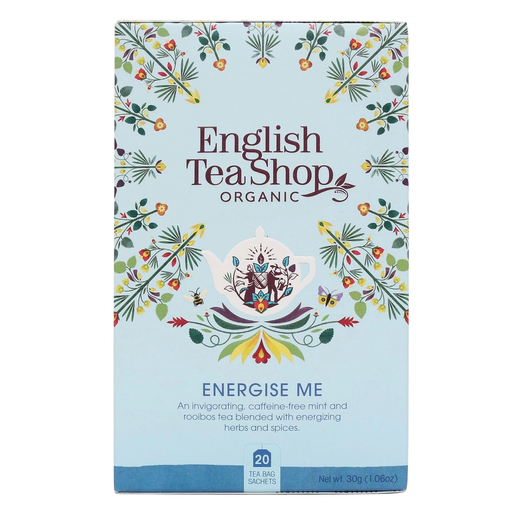
A multi-ingredient herbal option if you prefer a blend to a single named herb. Check the full ingredient list and organic declaration on the pack; the product name is not a claim about energy or health effects.
 No image available
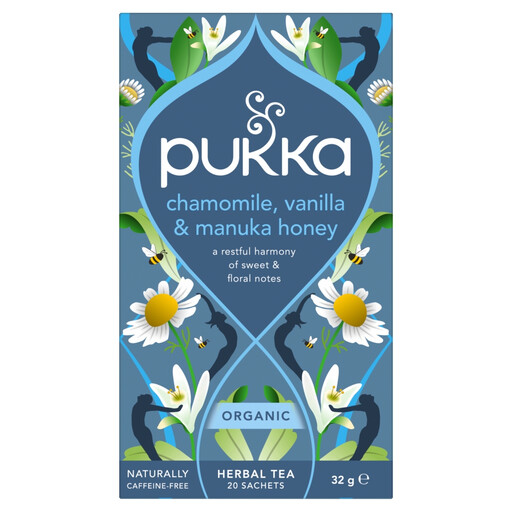
A chamomile-led blend rather than a plain chamomile infusion. It contains liquorice root: NHS pregnancy guidance advises avoiding herbal teas containing liquorice root. Check the complete ingredient list and organic details on the pack.
No image available
A multi-botanical choice for a tea-and-biscuits break, not a claim of a wellbeing effect. The product information reports possible celery traces from shared processing equipment; check the pack carefully if celery is relevant to you, along with its full ingredients and organic declaration.
It is a regulated food claim, not another word for natural. The Department for Environment, Food & Rural Affairs says foods labelled organic must meet organic production rules and contain at least 95% organic agricultural ingredients. Check the claim on the exact tea pack.
No. Check the exact product’s caffeine statement and ingredients. Twinings Organic Pure Camomile and Clipper Organic Chamomile are described as naturally caffeine-free, but Yogi Tea says some of its products contain black or green tea, which naturally contains caffeine.
Do not treat its name as evidence of a medical effect. The NHS says herbal medicines are not tested for effectiveness in the same way as standard medicines; a tea is not a substitute for medical advice or prescribed treatment.
Check the blend for liquorice root and consider how much herbal tea you drink. NHS pregnancy guidance advises avoiding teas containing liquorice root and drinking no more than four cups of herbal tea a day. Ask your maternity team about a particular blend if you are unsure.
Yes. Organic status does not remove allergens. GOV.UK says regulated allergens used as ingredients in prepacked food must be clearly labelled in its ingredients list, so check the exact biscuit pack separately from the tea.