What should you check?
Start with the product’s organic wording and ingredients, then choose a flavour and confirm its caffeine status if that affects your routine.
| Priority | What to check | Your needs |
|---|
| Organic claim |
Check the claim on the exact product and its certification information. Department for Environment, Food & Rural Affairs guidance says UK food labelled organic must meet production rules, have at least 95% organic agricultural ingredients and be certified through an approved organic control body. |
I want an organic claim I can check, rather than choosing a tea because its packaging says “natural” or uses wellness language. |
| Caffeine |
Look for an explicit caffeine statement on the chosen infusion. Check its ingredients too, rather than assuming that an organic claim determines caffeine content. |
A caffeine-free cup fits my mid-morning routine, so I want confirmation for the particular blend I buy. |
| Flavour |
Compare the named ingredients: Clipper describes its Organic Chamomile as 100% chamomile and its Organic Peppermint as 100% peppermint. Pukka describes Wild Apple & Cinnamon as a blend containing apple, cinnamon and ginger. |
With a snack, I might prefer mellow floral chamomile or fresh mint. If the tea is the main flavour of my break, an apple-and-spice blend may appeal more. |
| Ingredient suitability |
Read every ingredient in a multi-component blend and any cautions on its pack. Do not treat an organic claim or herbal positioning as evidence of a health effect. |
I need to spot herbs, spices or other ingredients that matter to me, especially if I have a condition, am pregnant or breastfeeding, or take medicines. |
Organic herbal tea options on Joybuy
These options cover mint-led, floral and mixed-herb flavour choices for a mid-morning break. Check each product’s pack for the organic claim, ingredients and caffeine wording that matter to you.
 No image available
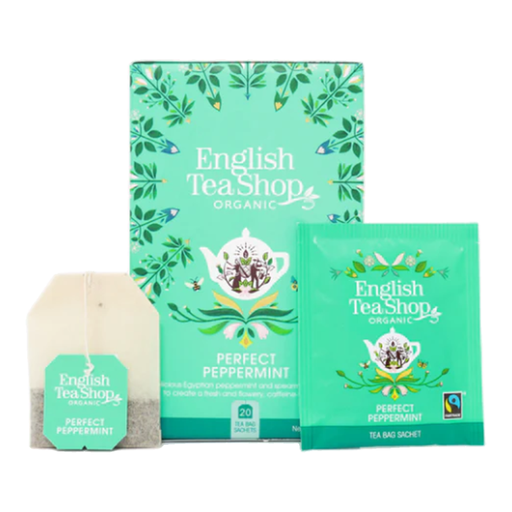
English Tea Shop Organic Perfect Peppermint 20g
Consider this mint option if you want a fresh-flavoured cup alongside a snack. Check the pack’s ingredient list and caffeine statement, along with its organic certification details.
View on Joybuy
 No image available
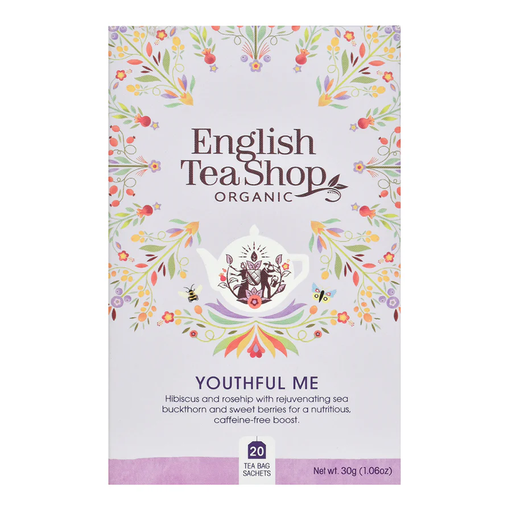
English Tea Shop Organic Wellness Youthful Me 30g
This is a fruit-led flavour option if you prefer a blend to a single-herb cup at mid-morning. Read its full ingredient list and check the pack’s organic certification and caffeine wording; the name is not a reason to expect a health effect.
View on Joybuy
 No image available
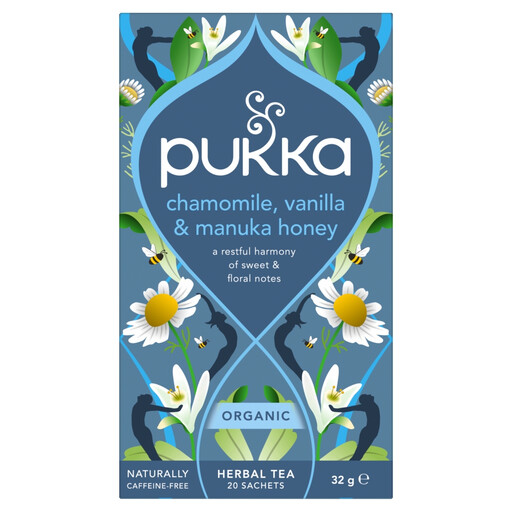
Pukka Chamomile Vanilla & Manuka Honey, 20 sachets, 32g
Consider this chamomile-and-vanilla flavour combination if a plain floral infusion sounds too simple. Read the ingredients rather than assuming what the Manuka honey wording means for the blend, and check the organic details on the pack. The listing advises professional consultation during pregnancy or if you have health concerns.
View on Joybuy
 No image available
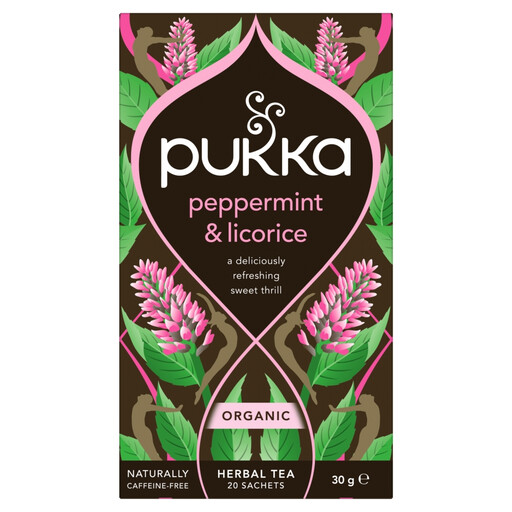
Pukka Peppermint & Liquorice Organic Herbal Tea, 20 sachets, 30g
Choose between this named peppermint-and-liquorice blend and a simpler mint infusion according to the ingredients you want. Check its organic certification details and caffeine wording on the pack. The listing cautions people with high blood pressure against excessive consumption and advises professional consultation during pregnancy.
View on Joybuy
 No image available
Pukka Feel New Organic, 20 sachets, 40g
If you are considering a mixed-herb cup rather than a simple chamomile or mint infusion, read this product’s full ingredient list and check its organic and caffeine statements. Its listing includes a celery trace warning, which matters if you need to avoid celery.
View on Joybuy
Frequently asked questions
How can I check whether a herbal tea is organic in the UK?
Check the organic claim on the exact pack and look for its certification information. Department for Environment, Food & Rural Affairs guidance says UK food labelled organic must meet organic production rules, have at least 95% organic agricultural ingredients, use permitted remaining ingredients and processing aids, and have the required approved-control-body certification for the product and suppliers.
Does organic herbal tea always contain no caffeine?
No: “organic” describes a production and labelling claim, not caffeine content. If you avoid caffeine, check the statement and ingredients for the particular infusion; Pukka and Clipper explicitly describe some of their named herbal products as naturally caffeine-free.
Which flavour suits a mid-morning snack?
Choose according to the cup you want beside the snack: chamomile offers a mild floral direction, peppermint a crisp mint one, and apple-and-cinnamon a fuller fruit-and-spice flavour. Clipper’s named chamomile and peppermint infusions each list one ingredient, while Pukka’s Wild Apple & Cinnamon names several, so check the exact blend if ingredient simplicity matters.
What if I am pregnant, breastfeeding or taking medicines?
Read the tea’s exact ingredients and cautions, and seek appropriate professional advice if an ingredient may be relevant to your circumstances. The NHS warns that herbal medicines may be unsuitable during pregnancy or breastfeeding, with kidney or liver problems, or alongside certain medicines; do not assume a herbal food infusion is suitable simply because it is plant-based.
Does an organic or herbal label promise a health benefit?
No. UK organic-labelling rules concern how qualifying food is produced and certified, not whether a drink improves health, sleep or digestion. Base this tea choice on its stated ingredients, flavour and caffeine status rather than wellness wording.


