Canteen buyers with an organic purchasing requirement
If tea will be ordered or displayed as organic, you need to check the claim for the exact product rather than relying on words such as ‘natural’ or ‘herbal’.


Choose certified-organic herbal tea when the canteen must buy or describe its tea as organic: UK organic food labelling guidance from the Department for Environment, Food & Rural Affairs requires certification of the product and its suppliers by an approved organic control body. If organic status is not required, choose by flavour, pack size and the exact blend’s ingredient and caffeine information. A large single-flavour pack suits predictable demand; smaller assorted packs give staff more choice without committing the service to one flavour.
If tea will be ordered or displayed as organic, you need to check the claim for the exact product rather than relying on words such as ‘natural’ or ‘herbal’.
Pack size, flavour choice and accessible ingredient information matter when several staff members use the same self-service area.
If organic certification is not a purchasing requirement, you can assess conventional herbal teas separately for flavour, caffeine information and a manageable serving format.
Set the organic requirement before choosing flavours or pack sizes, then check each blend against the way tea will be served at lunch.
| Priority | What to check | Your needs |
|---|---|---|
| Organic status | Check the exact product label and supplier documentation. Defra’s UK organic food labelling guidance requires approved-control-body certification of the product and suppliers; a food product described as organic must also meet the applicable rules, including at least 95% organic agricultural ingredients. | I need to describe the tea as organic in purchasing records or at the tea station, so the claim must apply to the product ordered. |
| Pack and flavour | Compare bag count, available flavours and whether the format suits self-service. Clipper lists a 250-envelope organic peppermint catering pack; Pukka lists a 20-bag Herbal Collection with several flavour profiles. | For steady demand, I could stock a larger pack of a familiar flavour. If preferences are uncertain, a smaller assortment lets the canteen offer variety. |
| Caffeine | Read the caffeine statement for the exact blend rather than assuming that every herbal tea is caffeine-free. Check the chosen pack again if the blend changes. | Some staff want a caffeine-free lunchtime drink, so I need clear information for each tea offered. |
| Ingredients and allergens | Keep current ingredient and allergen information for each blend accessible to serving staff. GOV.UK allergen guidance says catering food businesses must provide allergen information for prepacked and non-prepacked food and drink and train staff on allergens. | When someone asks what is in a tea, our team needs to identify the exact blend and find its current product information. |
Those words do not establish that a tea meets UK organic food labelling conditions.
Before ordering or displaying a tea as organic, check the exact product claim and the required product and supplier certification against Defra’s guidance.
Clipper’s 250-envelope peppermint pack provides one flavour, whereas Pukka’s 20-bag Herbal Collection covers several flavour profiles.
Use expected consumption to choose an initial quantity; if preferences are uncertain, consider a smaller assortment alongside a core flavour.
Ingredients and caffeine statements belong to the exact product. Canteen staff also need access to allergen information for the drinks they serve.
Keep current packaging or supplier information for each blend available, and make sure serving staff know where to find allergen details.
Bag count does not tell you whether a tea meets an organic requirement, offers the right flavour or works with the tea station’s serving arrangements.
Compare certification, bag count, flavour and wrapping for the exact products before deciding what to stock.
These brand examples illustrate different herbal tea formats and ranges; an organic claim still needs checking for the product being ordered.
Pukka says its products are certified organic. Its Herbal Collection is a 20-bag assortment spanning mint, chamomile, lemon and ginger flavour profiles.
Clipper lists an organic peppermint infusion in a 250-envelope catering format, made with organically grown peppermint.
Yogi Tea describes its herbal blends as organic and offers a range of flavour profiles.
Twinings herbal infusions, including Lemon & Ginger, appear in Tesco’s fruit and herbal tea listings.
Teapigs lists a 15-tea-temple peppermint pack made with pure peppermint leaves.
Tesco lists own-label herbal teas, including 40-bag Lemon & Ginger and Peppermint products.
These herbal tea packs offer flavours and sizes to consider for a canteen tea station. Check product-level certification before ordering or describing any of them as organic, and confirm current ingredient and allergen information before service.
 No image available
An 80-pack of peppermint tea to consider where a shared tea station needs a larger single-flavour supply. Confirm individual wrapping and current ingredient and allergen information for canteen service; check certification before making an organic claim.
 No image available
A 20-bag citrus-and-ginger choice for adding another flavour without committing to a large box. Check the current pack for ingredients, allergens, wrapping and any organic claim before serving it.
 No image available
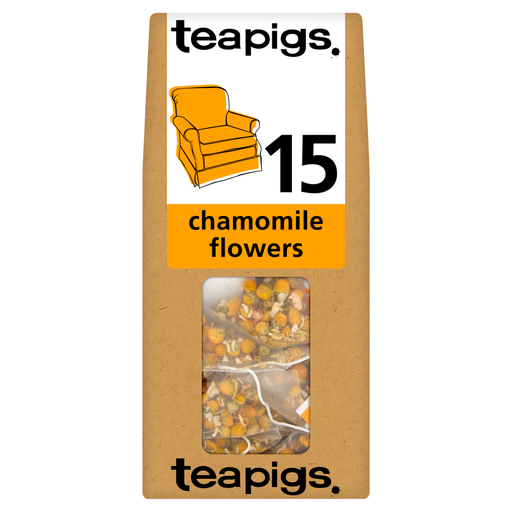
A 15-bag chamomile option for offering a floral flavour in smaller quantities. Check the current packaging for wrapping, ingredients and allergens, and confirm certification before using an organic description.
 No image available
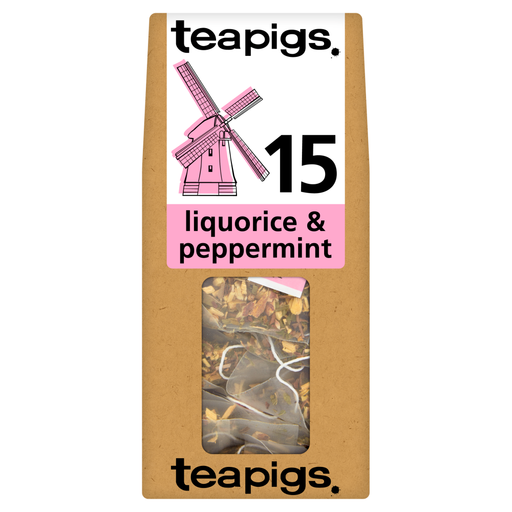
A 15-bag liquorice-and-mint blend for a smaller flavour selection. Check the current pack for its ingredient and nut-handling information, caffeine statement and wrapping; confirm certification before making an organic claim.
 No image available
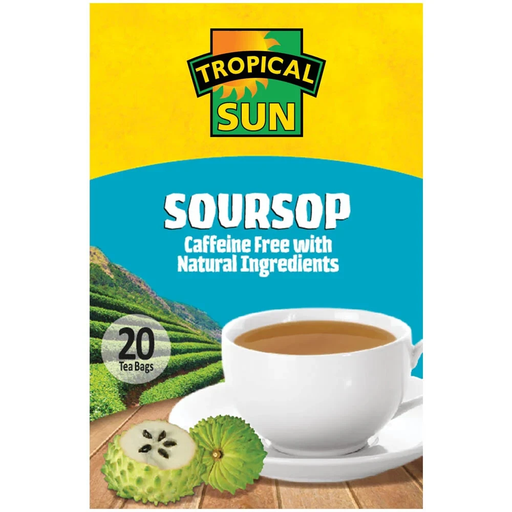
A 20-bag soursop tea for adding a different herbal flavour to a smaller selection. Confirm current ingredients, allergens and wrapping before service, and check certification before describing it as organic.
Check the exact tea and its supplier against UK organic food labelling requirements, not just words such as ‘natural’ on the pack. Defra guidance requires the product and suppliers to be certified by an approved organic control body; a food product described as organic must meet the applicable rules, including at least 95% organic agricultural ingredients.
Yes. GOV.UK allergen guidance requires catering food businesses to provide allergen information for prepacked and non-prepacked food and drink and to train staff on allergens. Keep current information for each tea blend accessible to the people serving it.
Do not assume so from the word ‘herbal’; check the exact product’s caffeine statement. Clipper labels its organic peppermint catering infusion naturally caffeine-free, and Teapigs makes the same statement for its named peppermint product.
Choose a large single-flavour pack when demand for that flavour is predictable; use smaller assorted boxes when staff preferences are uncertain or variety matters more. Clipper’s organic peppermint catering pack contains 250 envelopes, while Pukka’s Herbal Collection contains 20 bags across several flavour profiles.