Choose organic herbal tea as one option on a care home drinks menu, not as a substitute for each resident’s assessed nutrition, hydration or swallowing plan. Check the exact pack’s organic claim, ingredients and caffeine status, then consider individual preferences, allergies, medicines and any professional advice before serving it routinely. Organic status alone does not establish that a drink is suitable for every resident.
Who is choosing the tea?
Care home catering leads
Build an organic drinks choice around residents’ preferences and individual nutrition and hydration needs. The Care Quality Commission emphasises meeting each person’s food and drink needs; an organic label does not answer those questions on its own.
Staff serving residents with individual drinking plans
Check the current care plan before preparing a drink for someone with swallowing difficulties or other restrictions. The Care Quality Commission advises following clinicians’ instructions for people with dysphagia.
Homes offering a manageable choice
A small range of clearly identified infusions can give residents flavour choices while keeping ingredient and caffeine checks practical. Review every variant in a mixed pack separately.
What should you check before ordering?
Start with the exact tea and the residents it will be offered to; then check how staff will prepare and serve it.
| Priority |
What to check |
Your needs |
| Organic status |
Check the current pack’s organic claim and certification information. Record the exact variant and pack size rather than relying on a brand or herbal-tea category. |
I want the tea we order to match our organic purchasing specification, even when a range contains both organic and conventional products. |
| Swallowing plan |
Check each resident’s current instructions for drink consistency and preparation. Follow clinician advice for dysphagia, as the Care Quality Commission recommends. |
A standard cup of tea must not replace the drink consistency or support specified in a resident’s care plan. |
| Ingredients |
Read the full list for each blend and check relevant allergy records, dietary requirements and medicine-related advice. Do not select a tea for a claimed therapeutic effect. |
I need to know what is in the drink before offering it to residents with ingredient restrictions or medicines that require review. |
| Caffeine |
Confirm the caffeine status of the exact variant, especially in selection packs that may include green tea alongside herbal infusions. |
A caffeine-free menu option needs an identified caffeine-free tea, not an assumption based on a collection’s name. |
| Choice and service |
Compare stated flavours and pack formats. Check preparation directions on the pack and review substitutions before changing a regular drinks option. |
Residents should be able to choose a flavour they prefer, while staff can identify and prepare the approved variant consistently. |
Common buying mistakes
-
Assuming every tea in a range is organic
Twinings names particular organic infusions, while broader tea and retailer ranges also include conventional products.
Check the organic claim for the exact variant and pack being ordered, particularly if a supplier changes the listing or substitutes a product.
-
Assuming organic or caffeine-free means suitable for dysphagia
Neither label establishes an appropriate liquid consistency. The Care Quality Commission advises following clinician guidance for residents with dysphagia.
Prepare and serve the drink only as specified in the resident’s current swallowing and care instructions.
-
Choosing a blend for its wellness wording
Wellness wording is not a substitute for reviewing ingredients or a resident’s medicines. The NHS cautions that herbal products are not suitable for everyone.
Check the exact ingredients against resident records and seek appropriate clinical or pharmacy advice where relevant.
-
Treating a selection box as one type of tea
Pukka’s Herbal Collection includes a green-tea blend alongside herbal infusions, so its variants do not necessarily share the same caffeine or ingredient profile.
Review each included tea before assigning the box to a drinks round, or order individually specified variants.
Brand and retailer references
These ranges offer different starting points for a menu; check the particular pack rather than treating a brand name as a suitability decision.
Pukka
Pukka states that its products are certified organic and offers individual herbal blends and collection packs.
- Its Three Mint blend identifies peppermint, spearmint and fieldmint.
- Its Herbal Collection also includes a green-tea blend; check each variant’s ingredients and caffeine status.
Clipper
Clipper describes its herbal-infusion range as organic and caffeine-free, with both simpler and multi-ingredient options.
- Clipper lists organically grown nettle as the ingredient in its Organic Nettle Infusion.
- Other blends have different ingredient lists; review the exact product before adding it to a resident’s menu.
Yogi Tea
Yogi Tea describes a range of organic herbal and spice blends.
- The range gives buyers different herb and spice combinations to consider for flavour choice.
- Check each blend’s ingredients and caffeine status rather than inferring them from the wider range.
Twinings
Twinings lists named organic products within a wider herbal-infusion range.
- Its range names Organic Pure Camomile and Organic Pure Peppermint.
- The herbal category as a whole is not an organic specification; check the ordered variant.
Teapigs
Teapigs offers herbal flavours including mint, chamomile, rooibos and blends.
- Different flavours may help a home offer resident choice.
- Check the individual pack for an organic claim before including it in an organic order.
Tesco
Tesco is a retailer reference for comparing listed fruit and herbal teas, not a single herbal-tea manufacturer.
- Its category includes products from several brands, with both organic and conventional options.
- Category placement does not establish the organic status or ingredients of an individual product.
Organic herbal tea options on Joybuy
These sachet and tea-bag options are herbal blends for a care home considering an organic drinks choice. Check each pack and resident’s requirements before making it a routine menu option.
 No image available
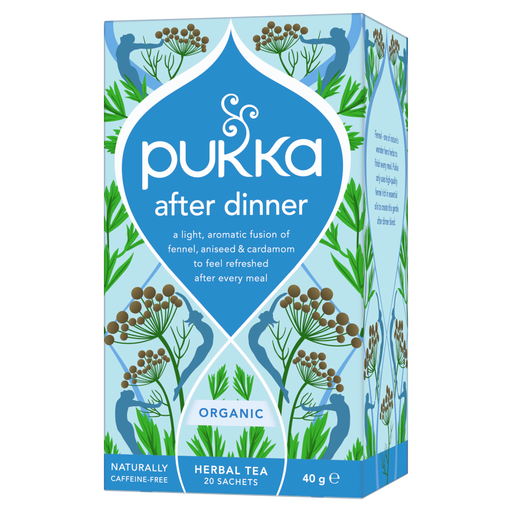
Pukka Chamomile Vanilla & Manuka Honey, 20 sachets, 32g
A chamomile-led blend for residents who prefer that flavour. The product information identifies it as organic and caffeine-free and lists chamomile flower, fennel, liquorice, honey flavouring and vanilla. It flags caution for people allergic to the chamomile family; check resident records and the required drink consistency before service.
View on Joybuy
 No image available
Pukka Feel New Organic, 20 sachets, 40g
A multi-botanical option with lemongrass, ginger and lime among its listed ingredients. The product information describes it as without caffeine and reports trace celery from shared processing equipment, advising people with celery allergies to avoid it. Review the full blend against resident records before service.
View on Joybuy
 No image available
Pukka Organic Three Mint, 20 sachets, 32g
A mint-labelled option to consider for residents who prefer that flavour. The product page’s title names Three Mint, but its marketing text describes Three Ginger. Confirm that the pack is Three Mint and check its ingredients, caffeine status and preparation directions before ordering or serving it.
Purchase link unavailable
 No image available
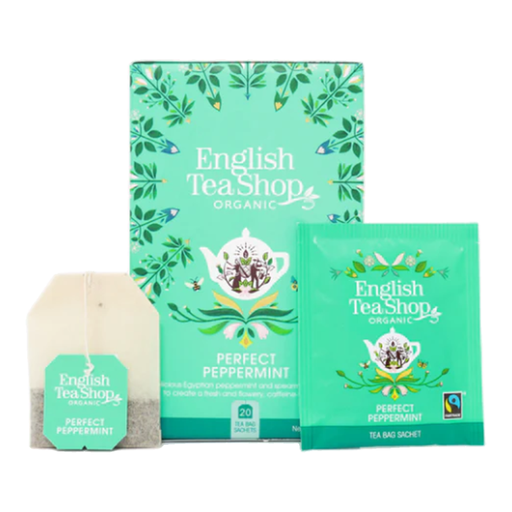
English Tea Shop Organic Perfect Peppermint, 20g
A peppermint-and-spearmint option for a mint-flavoured drinks choice. The product information lists 70% peppermint and 30% spearmint and describes the tea as caffeine-free. Check the current pack’s organic certification marking and preparation directions before adding it to the menu.
View on Joybuy
 No image available
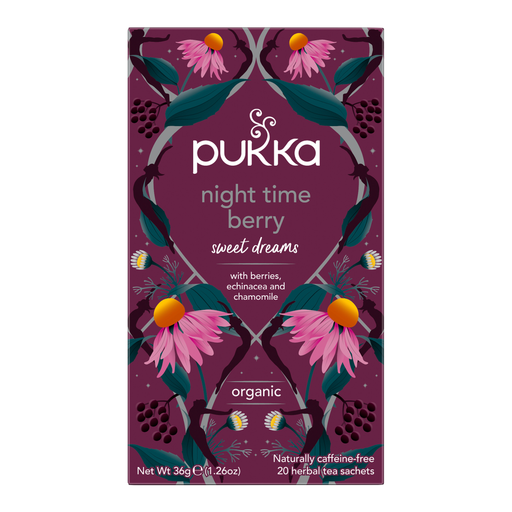
Pukka Night Time Berry Organic, 20 sachets, 36g
A berry-led blend containing several botanicals, including chamomile and valerian. Review the full ingredient list against resident records and seek professional advice where relevant. Confirm the pack’s caffeine status and preparation directions before deciding where it belongs on the drinks menu.
View on Joybuy
Frequently asked questions
Does organic herbal tea meet a resident’s hydration needs?
Organic status does not establish whether a resident is drinking enough or whether a particular drink fits their plan. The Care Quality Commission emphasises meeting each person’s nutrition and hydration needs, so herbal tea should be considered within their overall food, drink and preference arrangements.
Can a resident with dysphagia have herbal tea?
Only serve it in a form consistent with that resident’s current swallowing assessment and care plan. The Care Quality Commission advises following clinician guidance for people with dysphagia; an organic or caffeine-free label does not establish that an ordinary liquid consistency is appropriate.
Are all teas in a herbal collection caffeine-free?
No. Pukka’s Herbal Collection includes Supreme Matcha Green alongside herbal infusions. Check the caffeine status of each included variant rather than treating a collection name as a specification.
How can a care home check whether a tea is organic?
Check the exact pack or current product details for its organic claim and certification information. A brand’s wider positioning or a retailer’s herbal-tea category does not establish the status of every variant.
Should a wellness-labelled tea be chosen for a medical purpose?
No. Do not use a tea’s wellness wording in place of a resident’s care plan or professional advice. The NHS cautions that herbal products are not suitable for everyone, particularly where medicines or relevant health conditions need consideration; check the ingredients and seek clinical or pharmacy advice when appropriate.


