Coffee commuters avoiding caffeine
A herbal infusion may suit your usual hot-drink stop if you are happy to move away from coffee flavour. Check the individual blend for mate or guarana, which Twinings identifies as caffeine-containing ingredients.


Choose an organic herbal infusion if avoiding caffeine matters more than keeping coffee’s flavour, but check the exact blend: mate and guarana can contain caffeine. If you want a coffee-like cup, Clipper describes its organic No Caf drink as a naturally caffeine-free alternative; it is not herbal tea and contains barley and rye. Decaffeinated conventional tea is another option if you prefer tea flavour and do not need a drink with no caffeine.
The deciding question is whether you want to avoid caffeine, keep a coffee-like flavour, or make organic labelling the priority.
A herbal infusion may suit your usual hot-drink stop if you are happy to move away from coffee flavour. Check the individual blend for mate or guarana, which Twinings identifies as caffeine-containing ingredients.
A drink sold as a coffee alternative may be closer to what you want than a mint or camomile infusion. Clipper’s No Caf is one such option, but its barley and rye matter if you avoid gluten-containing cereals.
Look for an organic claim on the exact product, rather than assuming that a herbal blend or every tea from a particular brand is organic. UK organic-labelling rules require products using that claim to meet organic-production requirements.
Start with the flavour you want in place of coffee, then check caffeine wording, the organic claim and any ingredients you need to avoid.
| Priority | What to check | Your needs |
|---|---|---|
| Caffeine | Read the exact blend’s caffeine wording and ingredients. Twinings notes that mate and guarana contain caffeine; decaffeinated conventional tea can retain traces. | I want a hot drink without caffeine in my coffee routine, so I need a blend identified as naturally caffeine-free rather than assuming all herbal or decaf drinks qualify. |
| Flavour | Distinguish botanical infusions from drinks sold as coffee alternatives. Check whether you want mint, camomile or fruit notes, or a coffee-style cup. | If it is coffee’s flavour I miss, I would look at a caffeine-free coffee alternative instead of expecting herbal tea to taste the same. |
| Organic status | Check the organic claim on the exact pack and its certification information. The UK Department for Environment, Food & Rural Affairs says products labelled organic must meet organic-production rules. | Organic certification matters to me, so a brand’s general range or a description such as herbal is not enough to settle the choice. |
| Ingredients | Read the full ingredient and allergen information. Clipper No Caf contains barley and rye; check botanical ingredients separately when choosing a herbal blend. | I need to avoid certain cereals or botanicals, so I will check the particular drink before making it part of my routine. |
A herbal label alone does not settle the caffeine question: Twinings identifies mate and guarana as ingredients that naturally contain caffeine.
Check the ingredient list and choose a blend explicitly described as naturally caffeine-free if that is your reason for replacing coffee.
Herbal ingredients and organic certification are different things. UK organic-labelling rules apply to the product making the organic claim, not automatically to every product in a brand’s range.
Check the exact pack’s organic labelling and certification information.
Clipper No Caf offers a different flavour route from herbal tea, but its ingredients include barley and rye.
If you avoid gluten-containing cereals, read the ingredients and allergen statement before choosing a chicory-and-cereal drink.
NHS pregnancy guidance advises drinking no more than four cups of herbal tea a day. Individual blends can also contain different botanicals.
Check the exact ingredients and ask a midwife or healthcare professional if you are unsure about a blend during pregnancy.
These brands illustrate different drinks and flavour routes; a brand’s range does not establish the ingredients or organic status of every pack.
Pukka offers organic herbal blends across several botanical flavours.
Clipper’s No Caf is a coffee alternative, not a herbal tea.
Twinings offers organic herbal infusions as well as a separate decaffeinated tea range.
Teapigs lists herbal flavours including peppermint, rooibos, and lemon and ginger.
These are herbal tea options for a coffee-replacement routine, with mint, camomile and other botanical flavours. If coffee-like flavour is your main reason for switching, compare a coffee alternative separately.
 No image available
A camomile-led option if you want a floral drink rather than coffee flavour. The listing describes it as caffeine-free and organic; check the exact pack’s labelling. Its ingredient information also flags liquorice root, which is worth checking if you are pregnant or avoiding that ingredient.
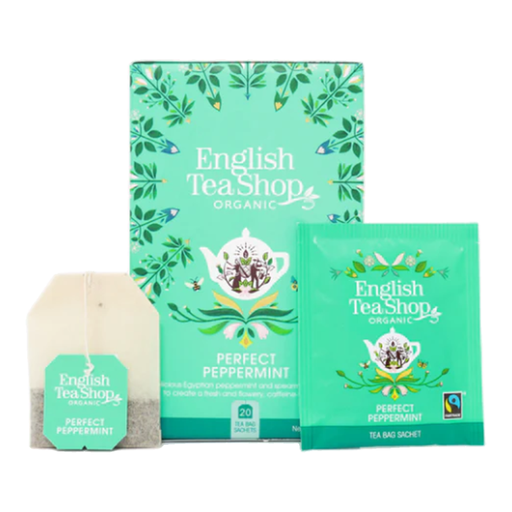 No image available
Choose this mint-led herbal tea if you would rather change flavour than imitate coffee. The listing describes the blend as caffeine-free; check the exact pack for its organic labelling and ingredients.
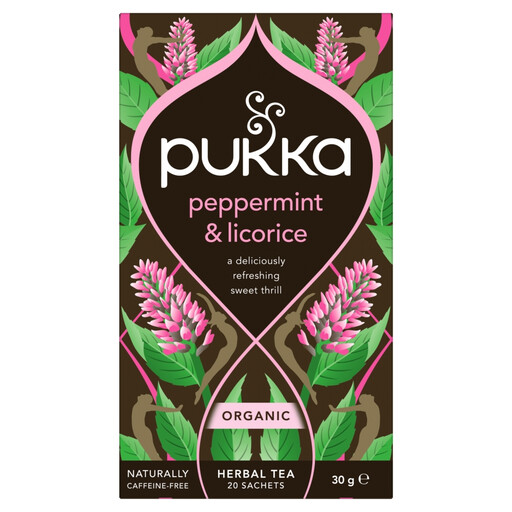 No image available
A mint-and-liquorice infusion for someone who wants a distinct herbal flavour in place of coffee. The listing describes it as caffeine-free. Check the pack’s organic information and its liquorice-related cautions, particularly if you are pregnant or have been advised to avoid liquorice.
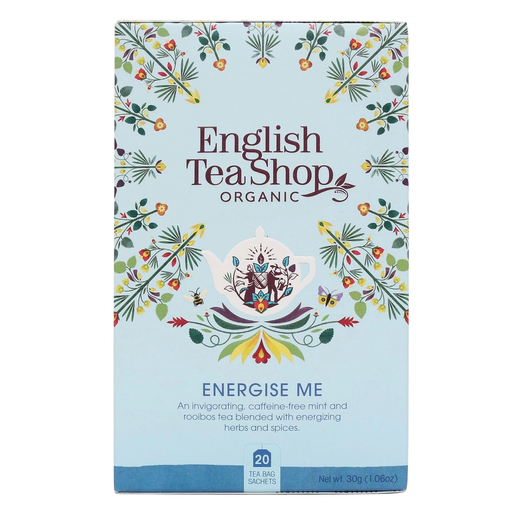 No image available
This is a botanical infusion rather than a coffee-style drink. The listing describes it as caffeine-free and names organic certification; check the exact pack for the ingredients and certification details that matter to you.
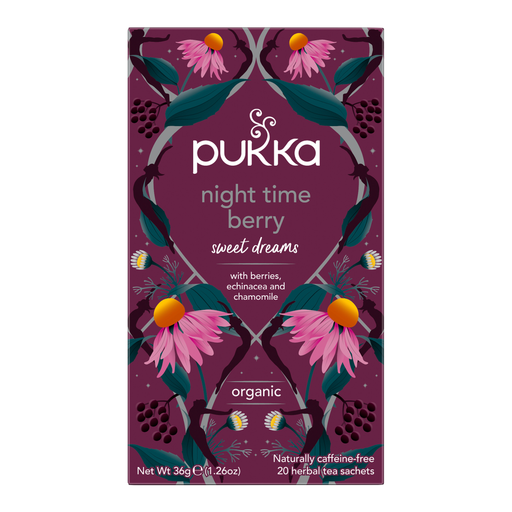 No image available
A berry-led herbal option if you want a different flavour from coffee. If avoiding caffeine is essential, check the exact pack’s caffeine wording before choosing it for that purpose. Its ingredient information also lists liquorice root.
Look for an organic claim and certification information on the exact product, not just words such as herbal or natural. The UK Department for Environment, Food & Rural Affairs says products labelled organic must meet organic-production rules.
No. Twinings identifies mate and guarana as caffeine-containing ingredients that can appear in herbal blends. Read the ingredients and caffeine wording for the particular tea you plan to drink.
No. Decaffeinated conventional tea can retain traces of caffeine, whereas an infusion made without caffeine-containing ingredients can be naturally caffeine-free. Check the exact drink if avoiding caffeine is the reason for switching.
Consider a drink sold as a caffeine-free coffee alternative rather than expecting mint or camomile tea to taste like coffee. Clipper describes its organic No Caf as one such alternative; check its ingredients because it contains barley and rye.
NHS pregnancy guidance advises drinking no more than four cups of herbal tea a day. Check the ingredients of the particular blend, and ask your midwife or healthcare professional if you are unsure about a botanical ingredient.