Conference caterers working to an organic brief
These teams need to identify the organic status of each tea they serve, including any substitute packs. They also need ingredient and allergen information that staff can access during service.


Choose a mixed organic selection for a conference tea station where flavour choice matters; a single-flavour foodservice case suits a plan that calls for more of one infusion. Check the exact pack’s organic claim, ingredients and quantity before ordering. A herbal description or a brand’s wider range does not establish that a particular tea is organic.
The right pack depends on whether the organiser needs to document an organic claim, offer flavour choice or replenish one infusion repeatedly.
These teams need to identify the organic status of each tea they serve, including any substitute packs. They also need ingredient and allergen information that staff can access during service.
A selection box offers several flavours without sourcing every blend separately. Pukka Herbs UK lists 45 sachets across nine blends in its Herbal Tea Selection; Clipper Tea Shop lists 45 servings in its Organic Selection Box. Check the actual assortment before making a menu card.
When one flavour needs frequent replenishment, a repeatable case format may be easier to plan around than a mixed box. Twinings UK B2B lists Organic Camomile in a 1x4x20 format: four packs of 20 sachets, all of the same infusion.
Set the organic and service requirements first, then compare flavour mix, pack counts and the information guests will see at the station.
| Priority | What to check | Your needs |
|---|---|---|
| Organic status | Check the organic wording on the exact pack and obtain current supplier documentation. The Department for Environment, Food & Rural Affairs’ UK guidance, dated 20 August 2025, says organic food labelling requires at least 95% organic agricultural ingredients and certification of the product and suppliers by an approved control body. | I need the tea served at the conference to match an organic catering brief, including any replacement packs. |
| Flavour mix and quantity | Check total sachets or servings, the number of each blend and how readily the chosen format can be replenished. Pukka Herbs UK lists 45 sachets across nine blends; Clipper Tea Shop lists a 45-serving organic selection; Twinings UK B2B lists Organic Camomile as 1x4x20. | Guests may want a choice, but I also need enough of the flavours likely to be served throughout the event. |
| Ingredients and allergens | Keep the exact pack or an accurate SKU-specific ingredient and allergen record accessible. The Food Standards Agency’s UK catering guidance, updated 17 July 2026, says food businesses must provide allergen information for prepacked and non-prepacked food and drink. | If someone asks what is in a blend, staff need to give an answer for the tea actually on the table. |
| Caffeine and blend ingredients | Check caffeine wording and ingredients on each blend rather than assuming every herbal-branded product has the same formulation. Keep liquorice root visible in ingredient information; NHS pregnancy guidance advises avoiding teas containing it during pregnancy. | I want guests to be able to identify a suitable choice without the menu promising a health effect or guessing at a blend’s caffeine status. |
Herbal ingredients and natural-sounding descriptions do not establish the organic status of an individual product. An unverified substitute could also fail an event’s organic specification.
Record the ordered pack and its organic documentation, and check any substitution against the same requirement. The Department for Environment, Food & Rural Affairs’ UK organic-labelling guidance sets out the certification conditions.
A selection offers choice, but its total serving count does not tell you how many sachets of a particular blend will be available. A single-flavour case addresses a different replenishment need.
Confirm the box’s flavour breakdown and plan quantities for the event’s expected service. If one infusion needs deeper stock, consider a separate case of that flavour alongside the selection.
Unlabelled displays can make it harder for staff to identify the ingredients and allergens in the tea being served. Food Standards Agency guidance requires UK caterers to provide allergen information for food and drink.
Keep the original boxes or an accurate product-specific record at the station, and make sure serving staff know where to find it.
A blend’s name does not establish a treatment effect or tell every guest whether its ingredients are appropriate for them. NHS pregnancy guidance specifically advises avoiding teas containing liquorice root during pregnancy.
Describe the flavours and verified product details, show the ingredients and offer a clearly labelled alternative rather than making therapeutic promises.
These brand references illustrate different selection and procurement formats; check the individual product before treating it as part of an organic conference menu.
A herbal-tea range with a mixed selection format for a station offering several flavours.
An option for a mixed organic selection or individual organic herbal infusions.
A UK foodservice route when a single organic infusion is needed in a case format.
A range featuring herbal and spiced blends for organisers considering different flavour profiles.
An ingredient-led peppermint option to assess separately from an organic-only brief.
A grocery-retail route for checking individual organic fruit and herbal tea products.
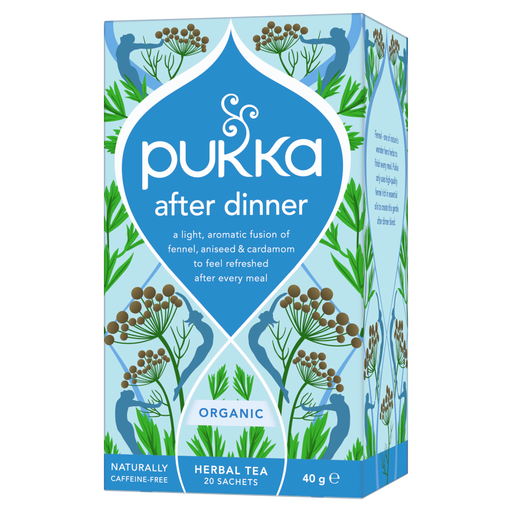
These herbal tea packs offer individual flavours to consider for a conference station. For an organic brief, confirm the status of each ordered pack; for service planning, check its pack count and ingredient information.
 No image available
A 20-sachet option for offering another blend at the station. The listing describes lemongrass, ginger, lime and mint, and flags trace celery. Keep its ingredient information accessible and confirm the ordered pack’s organic documentation before using it for an organic brief.
 No image available
A 20-sachet floral blend to consider alongside other flavours. The listing includes liquorice root and cautions people allergic to the chamomile family. Keep the ingredients visible: NHS pregnancy guidance advises avoiding teas containing liquorice root during pregnancy. Confirm the ordered pack’s organic documentation before relying on its organic claim.
 No image available
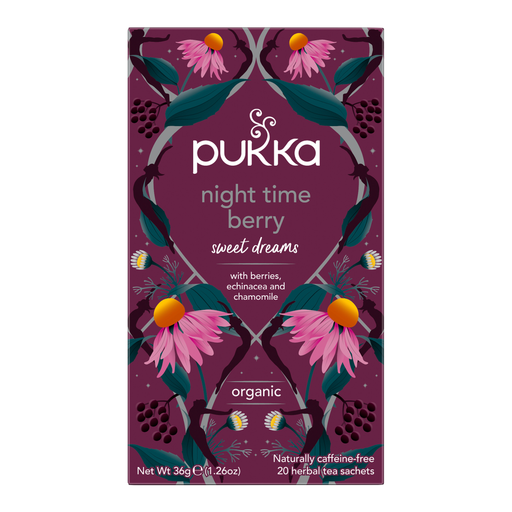
A 20-sachet berry-led option; the listing names rosehip, hibiscus, blackcurrant and elderberry among its ingredients, as well as liquorice root. Keep the ingredient list available, given NHS pregnancy guidance on liquorice-root teas. Check the ordered pack’s caffeine wording and organic documentation before describing it on a conference menu.
 No image available
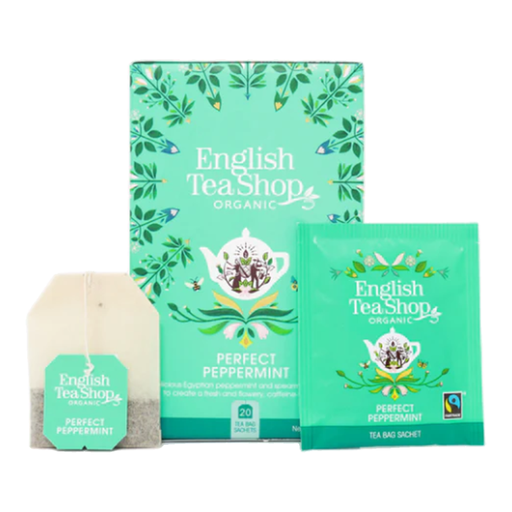
A mint option whose listing describes peppermint and spearmint and states that the blend is caffeine free. The 20g pack weight does not establish how many tea bags it contains, so check the quantity when planning service. Confirm the ordered pack’s organic documentation before relying on its organic claim.
Check the organic wording and current documentation for the exact product you intend to serve. The Department for Environment, Food & Rural Affairs’ UK guidance, dated 20 August 2025, says organic food labelling requires at least 95% organic agricultural ingredients and certification of the product and suppliers by an approved organic control body. ‘Herbal’ or ‘natural’ on its own is not an organic claim.
Yes. Food Standards Agency guidance for UK catering businesses, updated 17 July 2026, requires allergen information for prepacked and non-prepacked food and drink. Keep the original packaging or an accurate product-specific record accessible so staff can answer questions about the tea served.
No; check the caffeine information for each blend. Teapigs UK describes its pure-peppermint tea as naturally caffeine free, but that statement applies to that product rather than every herbal or mixed tea range.
Make the ingredient information easy to find and offer a clearly labelled alternative. NHS pregnancy guidance advises avoiding teas containing liquorice root during pregnancy; that caution should not be turned into a claim that the blend is unsuitable for every guest.