Desk workers prioritising organic tea
Look for organic wording on the tea you intend to buy, then choose portioned bags or sachets if you want to keep a few servings at work without measuring loose tea.


Choose a tea with a clear organic claim if organic production matters to you. For a short desk lunch, a single-flavour sachet pack makes repeat cups simple, while a selection box lets you try different blends; if you avoid caffeine, check the exact tea rather than assuming every sachet in a mixed box is caffeine-free.
Look for organic wording on the tea you intend to buy, then choose portioned bags or sachets if you want to keep a few servings at work without measuring loose tea.
A stated caffeine-free infusion gives you a clearer basis for choosing than the word “herbal” alone. Check each blend if you are considering a mixed box.
A selection box offers several blends without committing to one flavour. Read its contents first: a box containing both green and herbal teas may not suit everyone looking for a caffeine-free drink.
Start with the exact pack’s organic and caffeine wording, then choose a flavour and format that fit the time and storage space you have at work.
| Priority | What to check | Your needs |
|---|---|---|
| Organic status | Read the organic wording on the exact pack. Do not extend a claim about one product to a brand’s entire herbal range. | I’m choosing organic deliberately, so I want that claim to apply to the tea in my basket. |
| Caffeine | Look for a caffeine-free statement on the blend. Check every variety in a selection box: Clipper’s Organic Selection Box includes Green Tea & Lemon, according to Clipper Tea Shop. | For an afternoon cup without caffeine, I need to know what is in the particular sachet I pick. |
| Desk preparation | Check whether servings are individually portioned and read any stated brewing time. Consider where you will keep the pack and brew the tea. | I have a short lunch break and would rather use a tea bag or sachet than measure loose tea. |
| Flavour choice | Compare a familiar single flavour with the contents of a mixed box. Pukka Herbs lists 45 sachets across nine blends in its Herbal Tea Selection; Clipper Tea Shop lists 45 envelopes across seven green and herbal teas in its Organic Selection Box. | I might want the same flavour each day, or I might prefer to try several before settling on one. |
| Ingredients | Read the ingredient list rather than inferring an effect from a blend name. If pregnant, check for liquorice root: NHS guidance advises avoiding teas containing it. | When a particular ingredient matters to me, I want to identify it before choosing a blend. |
A brand can sell both herbal infusions and organic products without every herbal pack carrying an organic claim.
Check the wording on the exact pack, particularly when comparing teas from different ranges.
Clipper Tea Shop lists Green Tea & Lemon among the teas in its Organic Selection Box, alongside herbal options.
Read the full contents list, or choose a blend explicitly identified as caffeine-free when that is essential to your decision.
Organic wording and a blend name do not, by themselves, establish that a tea treats a condition.
Choose on the basis of ingredients, flavour, caffeine wording and format rather than using tea in place of medical advice or treatment.
The NHS advises pregnant people not to drink more than four cups of herbal tea a day and to avoid teas containing liquorice root.
Check each blend’s ingredients before buying and seek advice from a maternity clinician if you need guidance for your circumstances.
These ranges help illustrate the differences between organic claims, caffeine wording and flavour formats; a brand’s inclusion does not establish the status of every pack it sells.
Pukka Herbs says all its products are certified organic. Its herbal range includes several flavours, and its Herbal Tea Selection contains 45 sachets across nine blends.
Clipper describes its herbal-infusion range as organic and caffeine-free. It also sells an organic selection box containing both green and herbal teas.
Twinings sells teas and infusions in several formats, including tea bags and loose-leaf products.
teapigs has a herbal-tea range for shoppers choosing by flavour.
These portioned herbal teas are options to consider for a desk lunch. Compare their stated pack details and check the exact blend for any ingredients or caffeine wording that matter to you.
 No image available
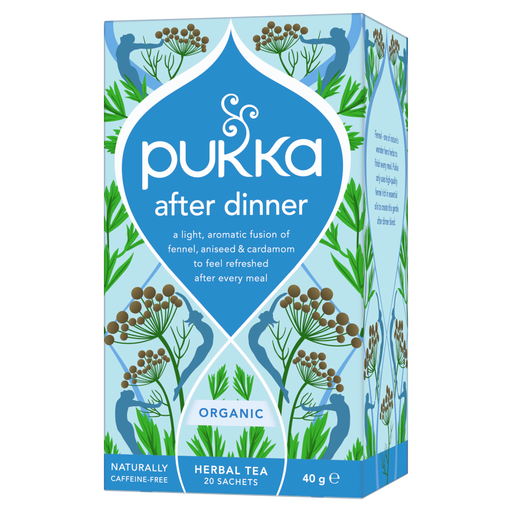
The portioned sachets are convenient to keep at a desk. The listing identifies liquorice root in this blend; the NHS advises avoiding teas containing liquorice root during pregnancy. Check the pack’s ingredients if chamomile-family plants are a concern.
 No image available
This portioned pack is an option when you want to keep tea at work. Allow for the listing’s stated 5–7 minute brew, and check its celery information if relevant; the blend name is not evidence of a health effect.
 No image available
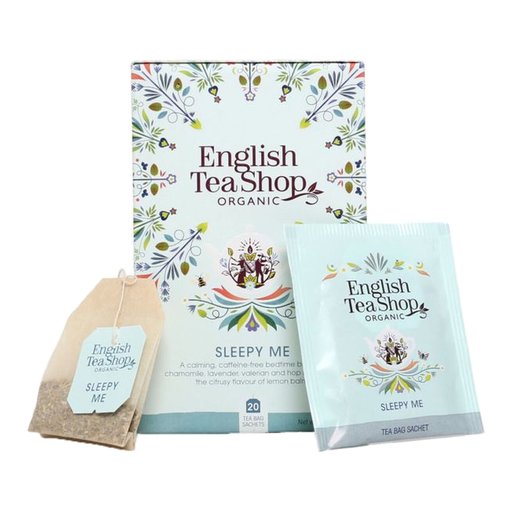
The tea-bag sachets offer portioned servings for work. The listing calls for at least five minutes of infusion; check the exact pack’s organic and caffeine wording if either is central to your choice. “Sleepy Me” is a product name, not a demonstrated effect.
 No image available
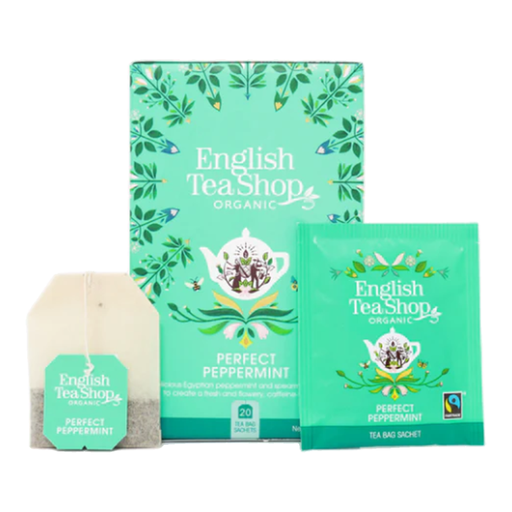
Consider this mint blend if you would rather repeat one flavour than buy a selection box. Check the exact pack’s organic and caffeine wording, and confirm the number of tea bags if pack quantity affects your choice.
 No image available
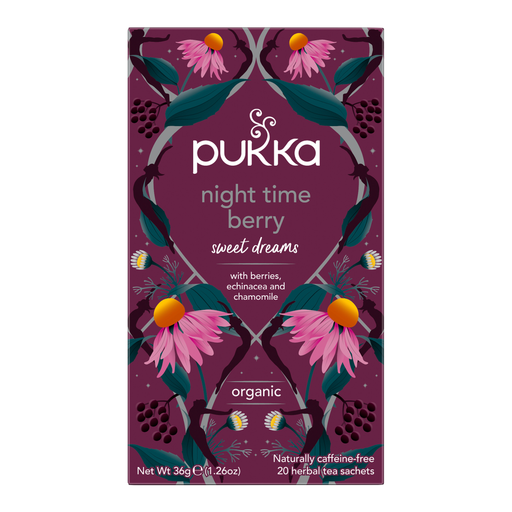
The sachets provide portioned servings, although the blend is positioned for night-time use rather than lunch. Check the pack’s caffeine wording if you avoid caffeine. The listing identifies liquorice root; NHS guidance advises avoiding teas containing it during pregnancy.
Organic status concerns how a product is produced and labelled; it does not establish that a blend treats sleep, stress or another condition. Read the ingredients and assess any health-related wording separately from the organic claim.
Not necessarily. Clipper Tea Shop lists Green Tea & Lemon in its Organic Selection Box, so check each tea in a mixed box rather than applying a caffeine-free description to the whole selection.
Portioned tea bags or sachets avoid measuring loose tea at work. Choose a single-flavour pack for repeat cups or read a selection box’s contents if you want to try several flavours; check the brewing instructions when your break is short.
Check the ingredients for liquorice root. The NHS advises avoiding teas containing liquorice root during pregnancy and not drinking more than four cups of herbal tea a day; ask a maternity clinician if you need advice for your circumstances.