What should you check before buying?
Check the organic claim on the exact tea first, then its ingredients and sugar information; decide whether you prefer a single herb or a more complex blend.
| Priority | What to check | Your needs |
|---|
| Organic status |
Look for an organic claim on the specific pack and its certification details. Defra’s UK organic food labelling guidance, dated 20 August 2025, describes production and approved-control-body certification requirements. |
If organic certification matters to me, I need it to apply to this blend, not just another tea from the same brand. |
| Sugar information |
Read the ingredients and any nutrition information for the tea as prepared; keep per 100g dry-tea figures distinct from per 100ml brewed-infusion figures. Account for sugar, honey or syrup added at home. |
I want an unsweetened hot drink and need to know what is in the infusion I will actually drink. Diabetes UK advises tea without sugar as an alternative to sugary drinks. |
| Ingredients |
Compare a single-herb infusion with the full ingredient list of a blend. Check named botanicals, including liquorice where present, rather than relying on wellness wording. |
A short list is easier for me to inspect; if I choose several herbs for flavour, I want to know which ones are included. |
| Caffeine and flavour |
Check the caffeine statement for the exact product and choose between a direct peppermint or camomile flavour and a blend. Clipper describes its Organic Peppermint as naturally caffeine-free; Twinings says the same of Organic Pure Camomile. |
I may want a caffeine-free drink, but the flavour still needs to suit how I plan to prepare it without added sugar. |
Herbal tea options on Joybuy
These options are organic-labelled herbal blends, including mint teas with short ingredient lists. Check each pack’s organic details, ingredients and sugar information against what matters to you; the names alone do not establish diabetes suitability.
 No image available
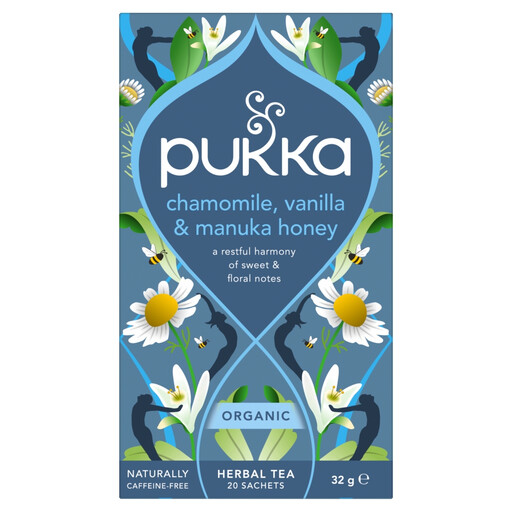
Pukka Chamomile Vanilla & Manuka Honey, 20 sachets, 32g
This chamomile, vanilla and Manuka honey-flavoured option is a blend rather than a single-herb infusion. Check the pack’s ingredients, organic certification details and prepared-drink sugar information; a honey flavour name does not establish the sugar content.
 No image available
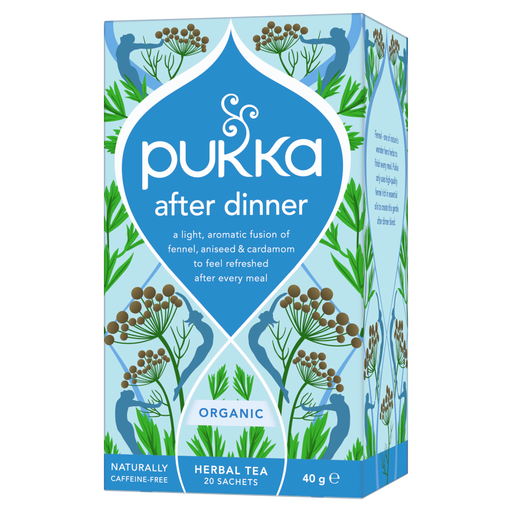
Pukka Feel New Organic, 20 sachets, 40g
This organic-labelled blend is an option if you prefer several botanical flavours to a single herb. Read the complete ingredient and allergen information, and compare any brewed-infusion sugar figure with other teas on the same basis.
 No image available
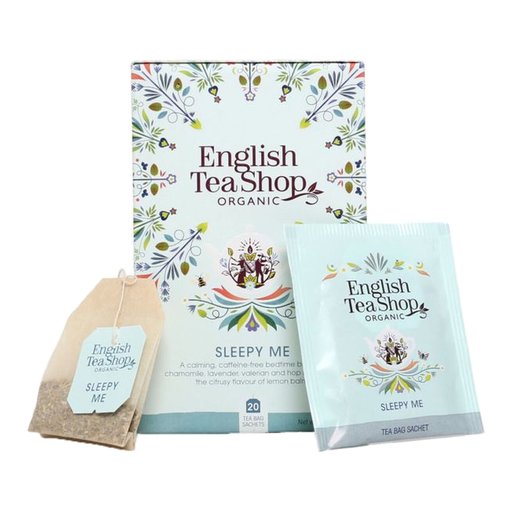
English Tea Shop Organic Sleepy Me, 20 tea bags, 30g
This organic-labelled herbal blend suits a preference for a mixed-herb flavour rather than a single ingredient. Check every herb on the pack, along with its organic details and any prepared-drink nutrition information; the product name is not a promise about sleep or diabetes.
 No image available
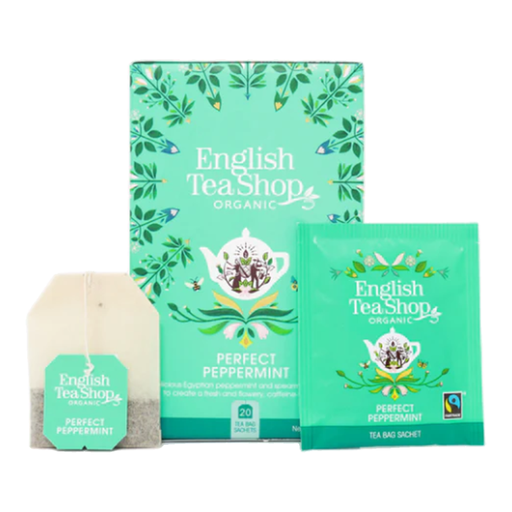
English Tea Shop Organic Perfect Peppermint, 20g
Consider this organic-labelled mint tea if a short ingredient list matters to you. Check the precise mint ingredients and certification details on the pack, and do not treat nutrition figures for dry tea per 100g as figures for a brewed drink per 100ml.
 No image available
Pukka Organic Three Mint, 20 sachets, 32g
This organic-labelled three-mint tea offers a mint blend rather than a one-ingredient peppermint infusion. Read the pack for the precise ingredients, organic details and sugar information before choosing it as an unsweetened drink.
Questions about organic herbal tea
Does organic herbal tea automatically suit someone managing diabetes?
No. Organic certification concerns production and labelling, not diabetes treatment or the sugar content of a prepared drink. Check the particular tea’s ingredients and sugar information, as well as anything you add when brewing it.
What should I check on a UK organic herbal-tea pack?
Check that the organic claim applies to that product, then read its ingredients and nutrition information. Defra’s UK organic food labelling guidance, dated 20 August 2025, sets out production and approved-control-body certification conditions; Diabetes UK also recommends using the ingredients and back-of-pack information when comparing foods and drinks.
Are fruit-flavoured herbal teas always sugar-free?
No: flavour names do not establish sugar content. Twinings describes its fruit and herbal range as naturally sugar-free, but check the exact tea’s label and account for anything added when preparing it.
Why choose a single-herb peppermint or camomile infusion?
A one-ingredient tea has a shorter list to inspect if ingredient simplicity is your priority. Clipper lists peppermint (100%) for its Organic Peppermint infusion, and Twinings lists 100% organic camomile and 0g sugars per 100ml brewed infusion for Organic Pure Camomile. Neither is a diabetes treatment.
Can herbal tea replace diabetes medication?
No. Diabetes UK says herbal remedies must not replace a treatment plan. If you are considering a herbal product as a remedy or are concerned about a blend alongside medicines, discuss it with your pharmacist or diabetes healthcare team.


