Shoppers looking for certified organic tea
If organic production matters to you, check the claim and certification information for the exact tea. A botanical flavour or “natural” description does not establish organic status.


Choose an organic herbal tea if you value the production and certification requirements behind a UK organic food claim, but check that claim on the specific product rather than relying on the word “herbal”. For an afternoon drink, choose the flavour and caffeine status separately, then read the full ingredients: a single-herb infusion is simpler to assess, while blends offer different flavours and may contain ingredients you need to avoid.
If organic production matters to you, check the claim and certification information for the exact tea. A botanical flavour or “natural” description does not establish organic status.
Look for an explicit caffeine-free statement on the infusion you intend to buy, and check whether its ingredients include green or black tea. Organic status answers a different question.
Read the full list if particular herbs, flavourings or allergens matter to you. During pregnancy, NHS guidance advises avoiding tea containing liquorice root and drinking no more than four cups of herbal tea a day.
Start with the organic claim on the exact product, then choose an infusion whose caffeine statement, flavour and ingredients fit your afternoon snack.
| Priority | What to check | Your needs |
|---|---|---|
| Organic status | Check the specific product’s organic claim and certification information. The Department for Environment, Food & Rural Affairs’ UK organic food labelling guidance, updated in August 2025, says foods labelled organic must meet production rules, contain at least 95% organic agricultural ingredients, and have the product and suppliers certified by an approved organic control body. | I want a regulated organic claim, not just a tea described as natural or botanical. |
| Caffeine | Look for an explicit naturally caffeine-free statement and read the ingredients, particularly on blends that could include green or black tea. | For an afternoon drink without caffeine, I need the statement to apply to the exact infusion I buy. |
| Flavour | Compare a single herb, such as camomile, with mint, ginger, fruit or spice blends. Read the ingredient order and follow the product’s brewing directions. | Do I want a straightforward floral cup with my snack, or a blend with several distinct flavours? |
| Ingredients | Read every herb, flavouring and allergen warning on the pack. For pregnancy, NHS guidance advises avoiding liquorice-root tea and limiting herbal tea to no more than four cups a day. | If I need to avoid an ingredient, an organic claim cannot replace checking the whole blend. |
A herbal tea can be natural-sounding without meeting the requirements for a UK organic food claim. The Department for Environment, Food & Rural Affairs sets out production, composition and certification requirements for foods labelled organic.
Check the organic wording and certification information on the specific product or pack, rather than judging by its flavour or brand.
Organic status describes how a product meets production rules; it does not establish the caffeine status of a particular infusion.
If you are avoiding caffeine, look for an explicit statement on the exact tea and check its ingredients.
Several herbs and flavourings can appear in one organic tea. NHS pregnancy guidance specifically advises avoiding teas containing liquorice root and drinking no more than four cups of herbal tea a day.
Read the entire ingredient list before choosing; ask a healthcare professional about individual pregnancy or medication questions.
Pukka presents an afternoon herbal-tea selection with mint-led options.
Clipper presents organic herbal infusions including camomile and peppermint options.
Twinings has selected organic herbal products, including Organic Pure Camomile.
Yogi Tea’s UK site presents organic herbal blends and refers to Soil Association Organic certification.
Teapigs lists herbal options including peppermint, rooibos, lemon and ginger, and chamomile.
Tesco’s fruit-and-herbal tea category includes own-label infusions and organic products from other brands.
These herbal tea listings cover mint, camomile and multi-herb flavours for an afternoon drink. Check the exact pack’s organic information and ingredients before choosing, especially where a listing’s product details conflict.
 No image available
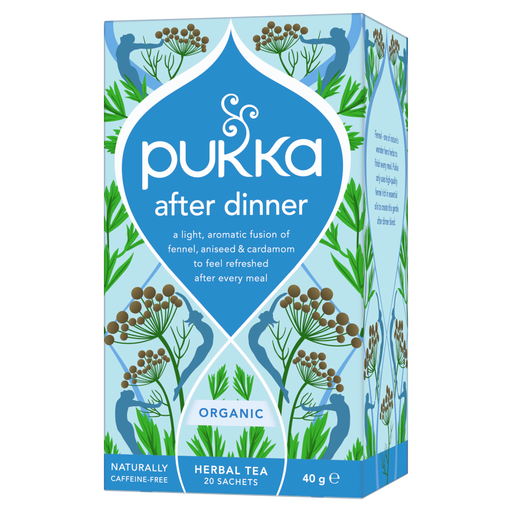
For an afternoon blend with several herbs and citrus, the listing describes this tea as caffeine-free and names lemongrass, ginger, peppermint and fennel. Check the pack’s organic certification information. The listing also warns of possible celery traces from shared processing equipment, which matters if you have a celery allergy.
 No image available
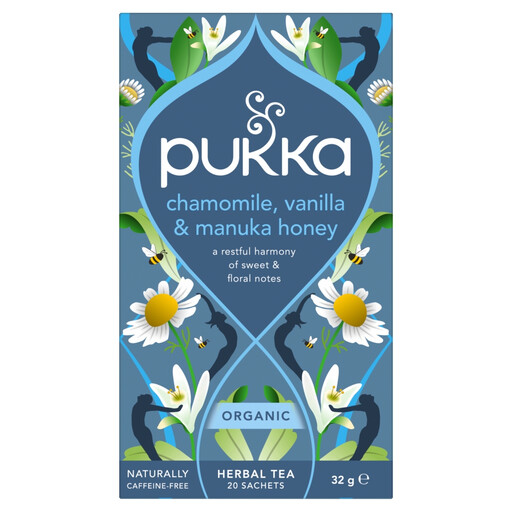
For a floral, layered afternoon infusion, the listing describes this blend as caffeine-free and lists 68.5% chamomile alongside fennel, liquorice root, vanilla extract and Manuka honey flavouring. Check the pack’s organic information and full ingredients. NHS guidance advises avoiding tea containing liquorice root during pregnancy.
 No image available
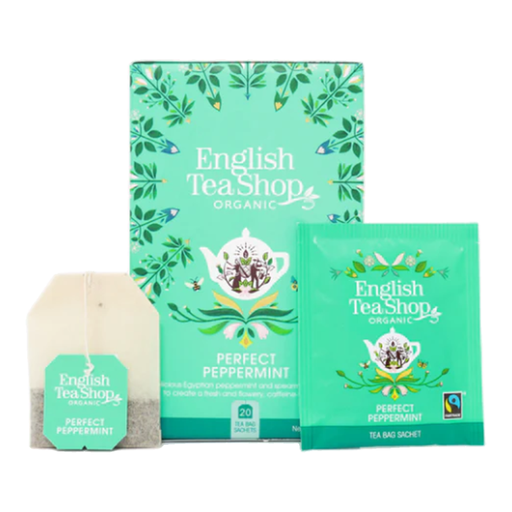
For a mint-focused afternoon cup, the listing names 70% organic peppermint and 30% organic spearmint and describes the infusion as caffeine-free. Check the organic certification information on the exact pack.
 No image available
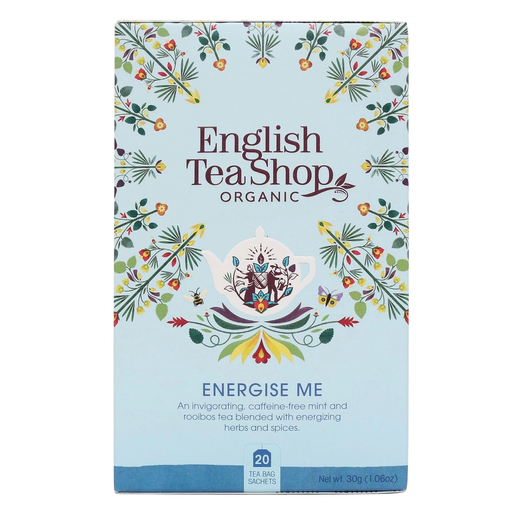
For a blend with several flavours, the description lists mint, rooibos, ginger, lemongrass and spices, and reports 0 mg caffeine. It claims Soil Association organic certification; check the mark on the exact pack and read the complete ingredient list if you avoid particular herbs.
 No image available
The title and ingredient description present this as a peppermint, spearmint and fieldmint tea described as naturally caffeine-free, but other product copy describes a ginger blend. Confirm the current product identity, full ingredients and organic information before choosing it.
According to the Department for Environment, Food & Rural Affairs’ UK organic food labelling guidance, updated in August 2025, a food labelled organic must meet organic production rules, contain at least 95% organic agricultural ingredients, and have the product and suppliers certified by an approved organic control body. Check the claim and certification information for the exact tea you intend to buy.
No. Organic status and caffeine content are separate things, so look for an explicit statement on the particular infusion and check its ingredients. Twinings describes its Organic Pure Camomile as naturally caffeine-free; that statement should not be extended to other blends.
No. Those descriptions do not establish that a tea meets the UK requirements for an organic food claim. Check the organic wording and certification information on the specific product instead.
Read the full ingredient list, even when a tea is organic. NHS pregnancy guidance advises avoiding teas containing liquorice root and drinking no more than four cups of herbal tea a day; ask a healthcare professional about your individual circumstances.
Follow the instructions for the exact tea, as brewing directions can differ. For its Organic Pure Camomile, Twinings specifies one tea bag in 200 ml of freshly boiled water for three minutes, or longer for a stronger infusion.