Households with a favourite blend
If most drinkers return to the same flavour, compare the bag count on certified-organic single-blend packs. A larger count can mean fewer restocking trips, provided the household will use that blend.


Check the organic claim on the exact pack before choosing a format. A larger single-blend pack makes sense when the household regularly drinks the same flavour; a selection box gives different drinkers more choice but fewer bags of any one blend. Check ingredients separately if caffeine or particular botanicals matter.
If most drinkers return to the same flavour, compare the bag count on certified-organic single-blend packs. A larger count can mean fewer restocking trips, provided the household will use that blend.
A selection box lets people try several blends without committing to one flavour. Pukka lists a 45-sachet box with 9 blends and a 90-bag box with 6 blends; check how many bags of each flavour the household will use.
Choose by the individual ingredient list and product wording, not the herbal-tea category alone. This matters when someone wants a stated caffeine-free infusion or needs to avoid an ingredient such as liquorice root during pregnancy, in line with NHS advice.
Start with the exact pack’s organic claim, then match its blend count, quantity and ingredients to the people who will drink it.
| Priority | What to check | Your needs |
|---|---|---|
| Organic status | Read the organic claim and certification information on the exact pack. UK government organic-labelling guidance requires certification by an approved organic control body for products labelled organic; a brand or category name is not a substitute for checking the product. | I want the tea I actually buy to carry an organic claim, rather than relying on a general description of the range. |
| Quantity and variety | Compare total bags with the number of blends and bags per flavour. Pukka lists selection boxes of 45 sachets across 9 blends and 90 bags across 6 blends; check single-blend pack counts separately. | If everyone drinks the same flavour, I would rather stock that blend. If tastes differ, I want enough choice without leaving unwanted flavours in the cupboard. |
| Caffeine and ingredients | Look for a product-specific caffeine-free statement and read the ingredients for tea-derived additions or botanicals the household avoids. Clipper describes its herbal-infusion range as caffeine-free, but claims about one range should not be applied to every tea from a brand. | For someone who wants a caffeine-free infusion, the wording and ingredients on the particular pack matter more than its position in a herbal-tea category. |
| Pregnancy-related caution | Check for liquorice root. NHS pregnancy guidance says to avoid teas containing it and to drink no more than 4 cups of herbal tea a day during pregnancy. | Where pregnancy is relevant in the household, I need to check each blend rather than assume an organic herbal tea is suitable. |
Twinings lists organic camomile and peppermint products alongside other herbal infusions. The brand name alone does not establish the status of a particular pack.
Check the organic claim and certification information on the product you intend to buy.
Pukka’s selection boxes divide their total bag counts across 6 or 9 blends, so they contain fewer bags of any one favourite than the headline count might suggest.
Use a selection box when several flavours will be welcome; choose a single-blend pack when the household already knows what it drinks regularly.
Brands may sell herbal infusions alongside green-tea products, while individual herbal blends can contain ingredients that need particular attention. NHS guidance says to avoid liquorice-root tea during pregnancy.
Read the exact ingredients and look for a product-specific caffeine-free statement when that is important.
A Joybuy listing titled Pukka Organic Three Mint Herbal Tea included description text referring to Three Ginger Tea. Those names identify different blends.
If a listing has conflicting details, compare the title, pack image, ingredients, flavour and quantity before ordering.
Brand ranges offer different starting points, but organic status and ingredients still need checking on the individual product.
Pukka offers individual herbal blends and selection boxes. The brand states that all its products are certified organic.
Clipper describes its herbal-infusion range as organic and caffeine-free.
Twinings lists selected organic herbal infusions within a broader herbal range.
The teapigs herbal range includes peppermint, honeybush and rooibos, lemon and ginger, and chamomile options.
These are individual herbal blends to consider when choosing flavours for a household, rather than mixed selection boxes or large repeat-purchase packs. Check each pack’s organic claim and quantity against your shopping plans.
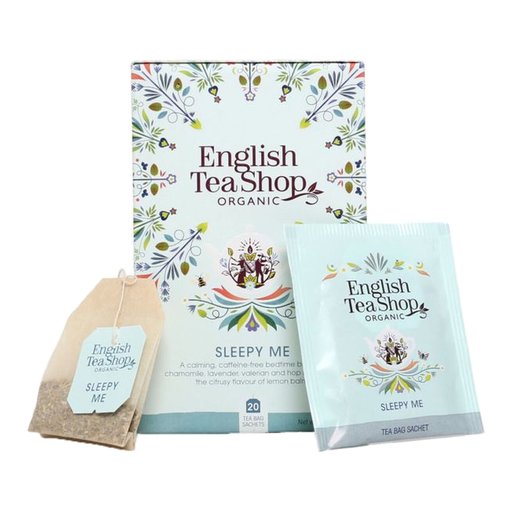 No image available
An individual blend to consider if someone wants a product described as caffeine-free. Its listed ingredients include chamomile, lavender, hops, valerian and lemon balm.
The pack contains 20 tea bags, so check how quickly the household would use it. Confirm the organic claim and certification information on the exact pack.
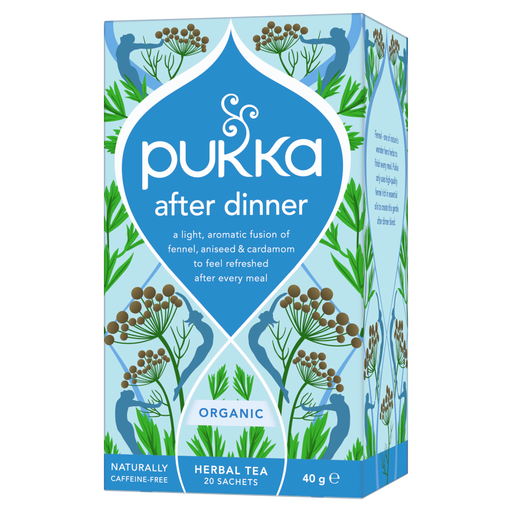 No image available
This 20-sachet blend offers several stated ingredients, including lemongrass, ginger, peppermint and fennel; its description calls it caffeine-free.
The description warns of traces of celery, so check the pack if that matters to anyone in the household. Confirm the exact pack’s organic details before buying.
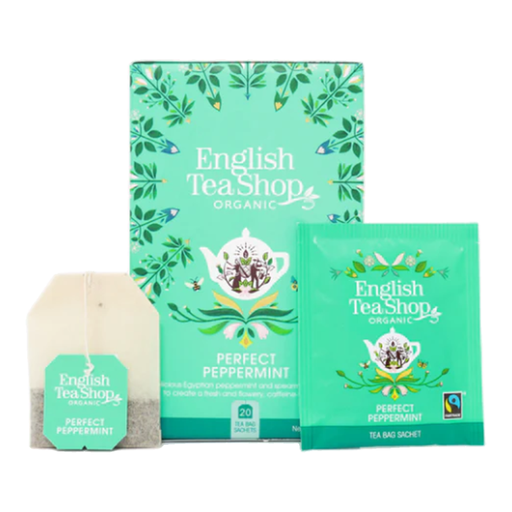 No image available
A mint blend to consider if the household already knows it likes that flavour. The description specifies 70% organic peppermint and 30% organic spearmint and describes the infusion as caffeine-free.
The pack weighs 20g. Check its tea-bag count for household planning, along with the organic details on the exact pack.
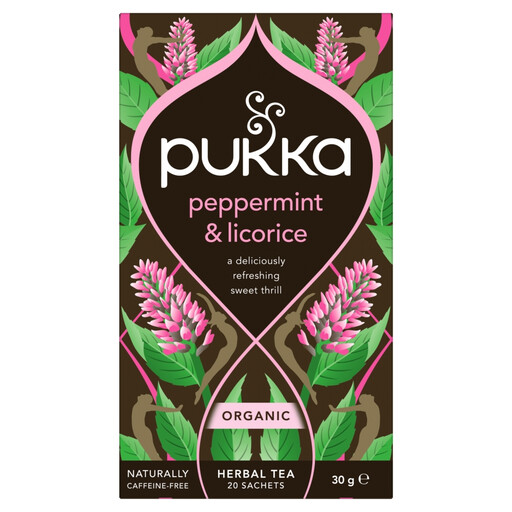 No image available
A 20-sachet mint-and-liquorice blend for a household that wants those ingredients; the listing describes it as caffeine-free.
It contains liquorice root. NHS guidance says to avoid liquorice-root tea during pregnancy, and the listing cautions people with high blood pressure. Check the pack warnings and organic details before buying.
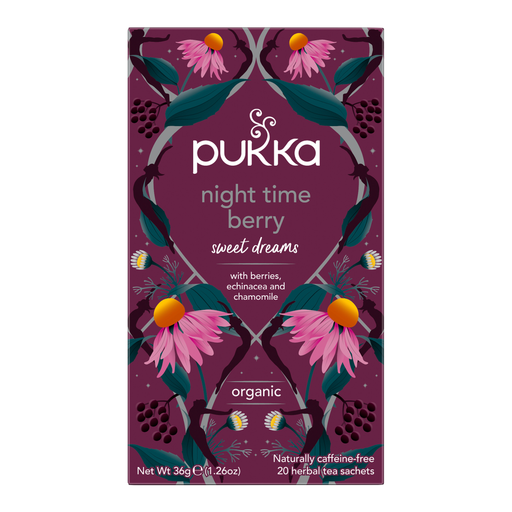 No image available
This 20-sachet berry-style blend lists rosehip, hibiscus, chamomile, lavender, liquorice, ginger, berries and valerian among its ingredients.
Check the exact pack if caffeine-free status is required, and confirm its organic details. It contains liquorice root, which NHS guidance says to avoid in tea during pregnancy.
Read the organic claim and certification information on the exact pack. UK government organic-labelling guidance says products may be labelled organic only when the relevant requirements, including certification by an approved organic control body, are met. A general “natural” description is not the same claim.
No: check the particular product’s ingredients and caffeine wording. Clipper describes its herbal-infusion range as caffeine-free, but a brand’s wider tea range can also include green-tea products; Pukka, for example, lists Supreme Matcha Green.
Check the ingredients for liquorice root: NHS guidance says to avoid teas containing it during pregnancy and to drink no more than 4 cups of herbal tea a day. An organic claim does not replace that ingredient check; seek advice from a clinician about individual circumstances.
Check the pack image, ingredients, flavour and quantity before ordering. A Joybuy listing titled Pukka Organic Three Mint Herbal Tea included description text naming Three Ginger Tea, so its title alone would not settle which blend was being offered.