What should you check before buying?
Start with the number of flavours and servings you expect to offer, then check the exact tea in each pack and how you will describe it to visitors.
Mixed herbal selection
Consider it when: Visitors’ flavour preferences are uncertain and you want several organic herbal choices.
Trade-off: Check every blend: Pukka describes its Herbal Collection as four teas, while Clipper’s organic gift selection includes green tea as well as herbal tea.
Single-flavour infusion
Consider it when: A short drinks list and a clearly identified flavour matter more than variety.
Trade-off: One flavour may not suit every visitor; caffeine and ingredient statements must apply to the exact infusion. Clipper describes its Organic Peppermint Infusion as naturally caffeine-free.
Single-flavour case
Consider it when: You expect enough demand for one flavour to use a larger pack.
Trade-off: Twinings lists Organic Camomile in a 1x4x20-envelope format, but a one-off stall could be left with unused stock and no alternative flavour.
| Priority |
What to check |
Your needs |
| Organic claim |
Check the certified-organic claim for the exact tea and retain its packaging or product information. Do not extend a claim from one blend to another. |
I want to call the drinks organic only when I can identify which products carry that claim. |
| Flavours and pack size |
Check the blends, envelope or sachet count, and whether every tea is herbal. Match a single-flavour case to expected servings rather than pack size alone. |
If turnout or tastes are hard to predict, I would rather offer a few clearly identified choices than commit to a large quantity of one flavour. |
| Caffeine and ingredients |
Read each blend’s caffeine statement and ingredient list. Clipper says its Organic Peppermint Infusion is naturally caffeine-free, but its organic gift selection also contains green tea. |
Visitors should be able to tell which drink they are choosing and ask about its ingredients without relying on the flavour name. |
| Serving responsibilities |
Check with the relevant local authority whether your activity requires food-business registration. Keep accurate ingredient and allergen information available where food-business rules apply. |
If I am selling drinks regularly, I need to arrange the serving information and any required registration before the stall opens. |
Brand references
These ranges illustrate different pack and flavour choices; check the organic status of the particular product you buy.
Pukka
Pukka says all its products are certified organic and describes its Herbal Collection as a four-tea selection.
- The Herbal Collection offers several blends within one named selection.
- Check the ingredients of each blend in the box before serving it.
Clipper
Clipper lists an Organic Peppermint Infusion alongside an organic gift selection containing green and herbal teas.
- Clipper describes the peppermint infusion as 100% peppermint and naturally caffeine-free.
- The 45-envelope gift selection spans seven green and herbal teas; it is not an all-herbal box.
Twinings
Twinings’ trade listing includes Organic Camomile in a 1x4x20-envelope format.
- The listed format gives a defined pack count for planning a single-flavour offer.
- That camomile listing does not establish that every Twinings herbal tea is organic.
Teapigs
Teapigs lists herbal tea bags and organic tea leaves within its wider collection.
- Its range includes herbal formats to consider when comparing flavours.
- Check the certified-organic claim on the exact herbal product rather than transferring it from another part of the range.
Joybuy herbal tea options
These are individual herbal blends for a car boot sale drinks table, not mixed selections or foodservice cases. Check each pack’s ingredients and serving count when planning the menu.
 No image available
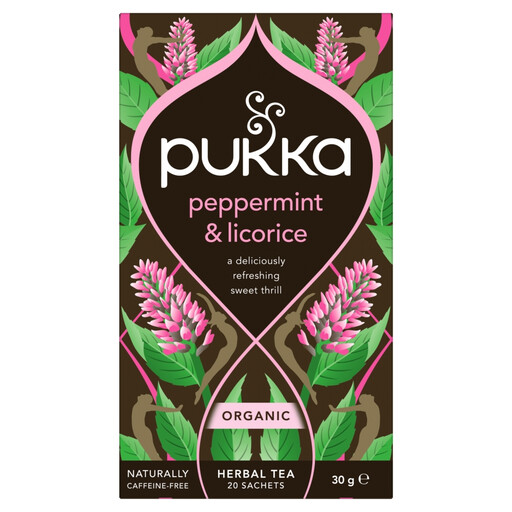
Pukka Peppermint & Liquorice Organic Herbal Tea, 20 sachets, 30g
A single-blend option if you want to list peppermint and liquorice rather than manage several flavours. The pack name specifies 20 sachets and 30g; keep its ingredient information available when serving.
View on Joybuy
 No image available
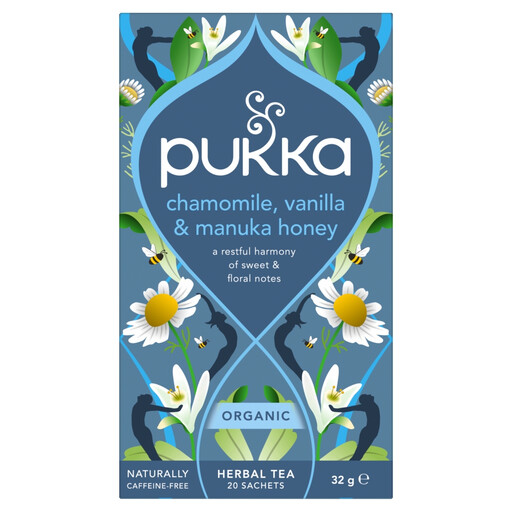
Pukka Chamomile Vanilla & Manuka Honey Herbal Tea, 20 sachets, 32g
This is one named blend rather than an assortment, with 20 sachets and 32g stated in the product name. Check the exact ingredient list before describing the blend to visitors; the flavour name alone is not an ingredient list.
View on Joybuy
 No image available
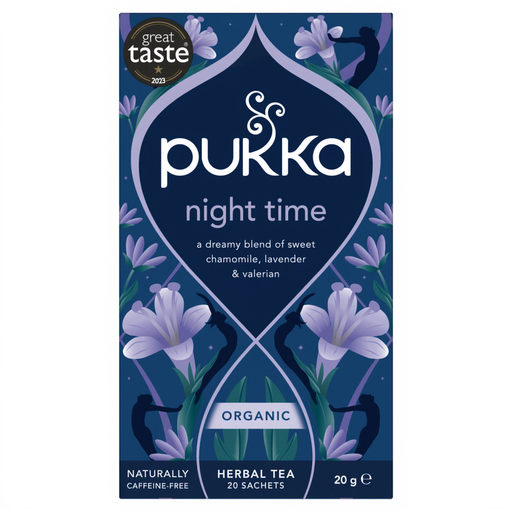
Pukka Night Time Herbal Tea, 20 bags, 20g
A 20-bag single blend for a stall offering a short drinks list. Oats are identified as an allergen in its product information, so keep the exact packaging available for ingredient and allergen questions.
View on Joybuy
 No image available
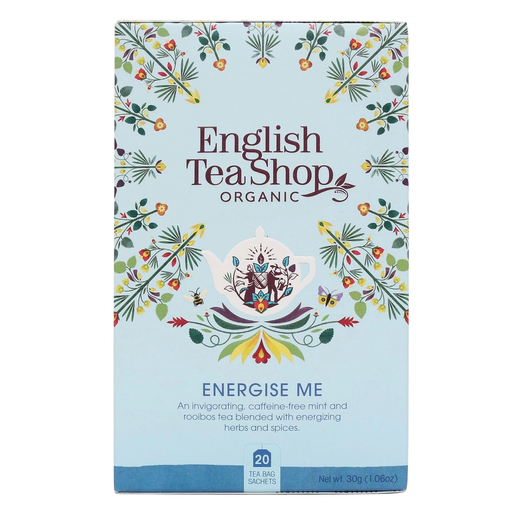
English Tea Shop Organic Wellness Energize Me, 30g
This named blend offers another single-product option for the drinks table. The stated 30g pack weight does not tell you how many cups to plan for, so check its sachet count before buying for an event.
View on Joybuy
 No image available
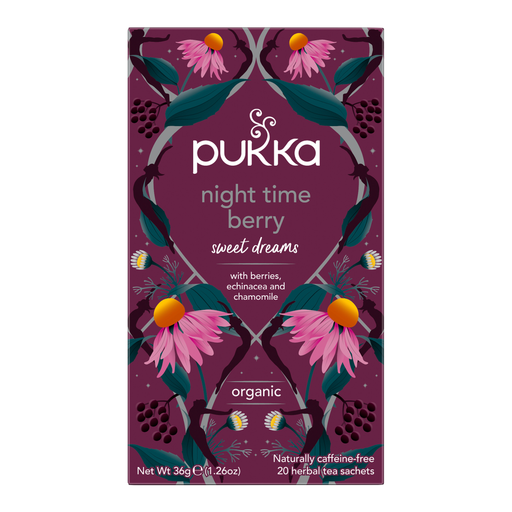
Pukka Night Time Berry Organic Tea, 20 sachets, 36g
A 20-sachet berry blend if you want a clearly named single option rather than a variety box. Check the exact pack before describing it as caffeine-free, and keep its ingredient list available for visitors.
View on Joybuy
Questions about serving herbal tea
How can I check whether a herbal tea is organic?
Look for a certified-organic claim on the exact product, rather than treating “herbal”, “natural” or the brand’s wider range as proof. Soil Association Certification identifies certification as the basis for demonstrating that organic standards have been met.
Do I need to register to sell tea at a car boot sale?
Whether registration is required depends on your activity, so check with the relevant local authority before trading. The Food Standards Agency says a food business that needs to register should do so at least 28 days before trading or starting food operations; GOV.UK says food supplied at community events must still comply with food law and be safe.
What should I do about ingredient and allergen questions?
Keep the exact tea packaging or an accurate ingredient record at the serving point; do not answer from the flavour name alone. Food Standards Agency guidance says food business operators must provide allergen information and follow applicable labelling rules.
Is every herbal tea box caffeine-free?
No: check each tea in the box. Clipper describes its Organic Peppermint Infusion as naturally caffeine-free, but its Organic Gift Box Selection contains both green and herbal teas, so the peppermint statement cannot be applied to the whole selection.
Should I choose a variety box or a single-flavour case?
Choose variety when visitors’ tastes are uncertain; consider a case when you expect enough servings of one flavour to use it. Twinings lists Organic Camomile in a 1x4x20-envelope format, while the mixed selections described by Pukka and Clipper offer different blends that need checking individually.


