
24/7 Customer Support

Free returns

Same-day & Next-day Delivery

Quality Guaranteed

Unlock Your Welcome Offers: FREE Delivery | Up to 80% OFF | Free 30-day JoyPlus trial
Download the APP
As a Joybuy Product Recommendation Officer, my role is to help you navigate the crowded shelves and find products that genuinely deliver on their promise. The world of organic herbal tea is a perfect example. It’s filled with promises of wellness and calm, but not all boxes of tea are created equal. Many shoppers find themselves disappointed by weak flavours or, worse, discover their "eco-friendly" purchase is contributing to landfill.
Before you buy your next box of wellness tea, let's look at a couple of common pitfalls that can lead to a less-than-satisfying brew and wasted money.
To ensure you're getting a high-quality product that aligns with your wellness and sustainability goals, focus on these key factors.
The term "organic" is legally protected. In the UK, look for a recognised certification logo on the packaging, such as the Soil Association Organic symbol. This guarantees the ingredients were grown without synthetic pesticides and fertilisers. Beyond organic, consider brands that are transparent about being ethically sourced tea. Certifications like Fair for Life or Fairtrade indicate that the farmers and producers are receiving fair payment and working in decent conditions.
This is where many well-intentioned purchases fall short. For a truly sustainable choice, investigate the tea bags themselves. Many brands now offer compostable tea bags, often made from plant-based materials like cornstarch (PLA), which will break down in a home compost bin. Check the packaging details for phrases like "home compostable" or "plastic-free tea bags." The outer box should also be made from recyclable, FSC-certified card.
A quality herbal infusion should be led by its core ingredients, not by flavourings. When choosing a herbal tea for sleep, for instance, you want to see chamomile tea, valerian or lavender high up on the ingredient list. For a digestive tea, look for a significant percentage of ginger tea or peppermint tea. A transparent ingredient list that specifies the percentage of each herb is a strong indicator of a brand's confidence in its blend. This ensures you're getting a functional, caffeine-free tea with character, not just flavoured water.
Instead of a generic list, we've matched some fitting options to specific needs and lifestyles, helping you find the right blend for your daily rituals.
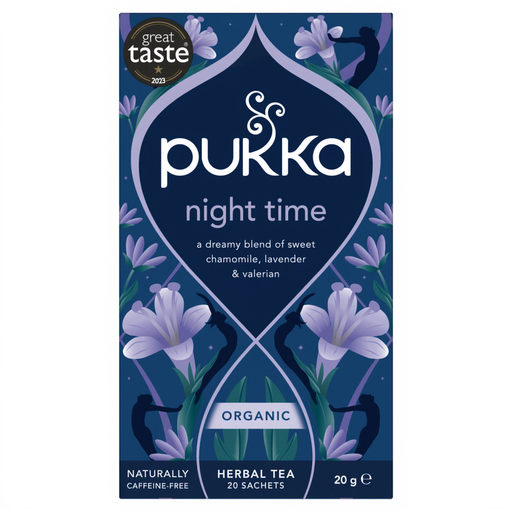
Why This Fits Their Persona: This person is looking for a dedicated relaxing tea to help them unwind and prepare for a restful night. This blend is specifically formulated with herbs traditionally associated with calm and sleep.
The ingredients are clear and functional—oat flowering tops, chamomile, lavender and valerian—not just flavourings. The tea bags are home compostable, avoiding the plastic waste pitfall.
It combines several well-known calming herbs into one convenient blend. The ingredients are 100% organic and ethically sourced.
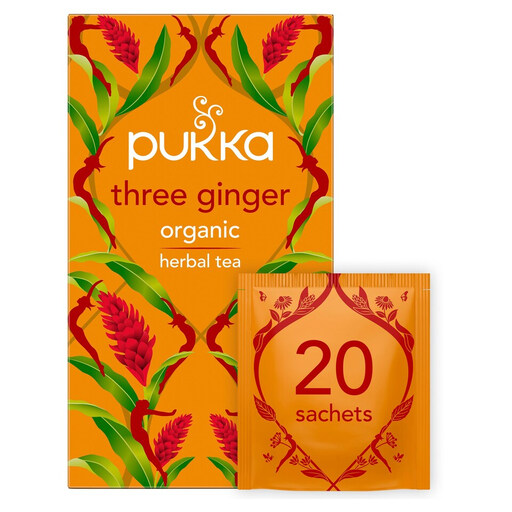
Why This Fits Their Persona: This individual seeks a natural way to feel more comfortable after meals. They need a potent digestive tea that is warming, soothing and caffeine-free for enjoyment any time of day.
This isn't just "ginger flavoured." It contains a high percentage of actual ginger root, galangal and turmeric, delivering an authentic, spicy warmth. It is also fully organic with compostable bags.
The combination of three different roots from the ginger family creates a full-bodied and robust flavour. It's naturally sweet from licorice, requiring no added sugar.
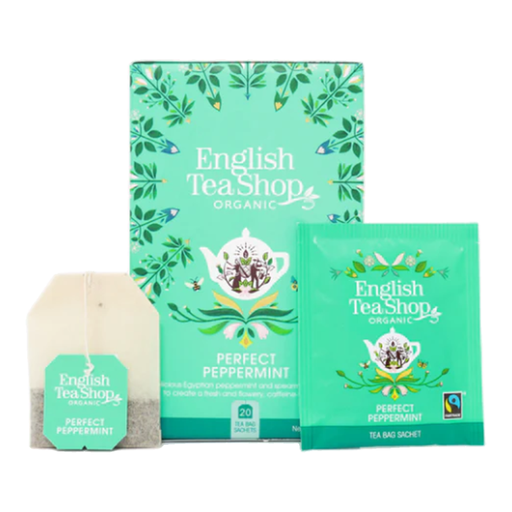
Why This Fits Their Persona: This person wants a simple, refreshing and reliable herbal tea for everyday enjoyment. Sustainability is a top priority, so the brand's entire supply chain and packaging matter.
It avoids the flavour illusion with a simple, pure blend of organic peppermint and spearmint. The English Tea Shop brand is known for its commitment to eco-friendly, compostable packaging.
A classic, crisp and refreshing flavour that is versatile for any time of day. The brand holds both organic and Fairtrade certifications, assuring ethical and sustainable practices.
We have compiled a complete, real-time list of products that fully satisfy these strict selection criteria and UK safety regulations.
No, this is a common misconception. "Organic" refers to how the tea ingredients are grown, not the packaging they come in. Many organic teas still use bags sealed with plastic. Always check the box for specific claims like "plastic-free" or "home compostable" to be sure.
Unlike black tea, which can become bitter if over-steeped, most herbal infusions UK benefit from a longer brewing time. This allows the full flavour and properties of the herbs to be released. A good starting point is 5-10 minutes in freshly boiled water. For a stronger, more functional brew, you can steep for up to 15 minutes.
For most common herbal teas like peppermint, chamomile and ginger, daily consumption is generally considered fine for healthy adults. However, some blends contain more potent herbs like licorice root, which is noted for affecting blood pressure with excessive consumption. If you are pregnant, have a health condition or are taking medication, it is always a sensible precaution to check the ingredients and consult a healthcare professional.