Commuters who want organic dairy
A milk-prepared mix suits this aim when you can also obtain and heat certified organic milk. Check the powder and the milk separately; an organic claim on the powder does not extend to milk added afterwards.


For an organic dairy hot chocolate, choose a mix you can prepare with milk and supply certified organic milk separately: the powder’s organic claim does not cover milk you add. If you only have hot water, an organic water-prepared mix avoids that preparation step, but it is a different choice from an organic dairy drink. Check the current ingredients and allergen statement whichever route you take.
A milk-prepared mix suits this aim when you can also obtain and heat certified organic milk. Check the powder and the milk separately; an organic claim on the powder does not extend to milk added afterwards.
A mix whose instructions call for water avoids carrying or sourcing milk. Ocado describes Sweet Revolution’s organic coconut-milk-powder mix as water-prepared, though it is a dairy-free rather than an organic dairy option.
Read both the ingredients and any precautionary allergen statement on the current pack. The Food Standards Agency advises that vegan labelling alone is not a substitute for allergen labelling.
Start with the drink you can prepare where you travel or work, then check whether its ingredients and added milk meet your aim.
| Priority | What to check | Your needs |
|---|---|---|
| Organic dairy | Check the mix’s organic labelling and whether its instructions require milk. Check the added milk’s organic certification separately; the Soil Association explains that organic dairy is certified through its supply chain. | I want the dairy in my finished drink to be organic, not just the packaged powder. |
| Preparation | Read whether the product calls for hot water or heated milk. Ocado’s Green & Black's instructions specify four teaspoons of granules with 250 ml hot semi-skimmed milk; its Sweet Revolution listing describes a mix prepared with water. | Where I make the drink, will I have only a kettle, or can I also obtain and heat milk? |
| Milk allergens | Read the current ingredients and any “may contain” wording. The Food Standards Agency says vegan labelling alone should not stand in for allergen information; precautionary wording can indicate possible unintended presence. | If I need to avoid milk, I need to assess the full allergen information rather than rely on “vegan” or “dairy-free” wording alone. |
| Ingredient control | Distinguish an instant mix from plain cocoa powder. Ocado lists Food Thoughts as 100% organic cocoa powder for drinks; making hot chocolate from it requires you to choose the other ingredients. | I would rather choose my own milk and sweetness, even if that means bringing or preparing more than one ingredient. |
The packaged mix’s claim does not establish the status of milk poured into the mug later.
If organic dairy is your aim, check the preparation instructions and obtain certified organic milk for that component.
Ocado’s Green & Black's instructions call for hot milk, whereas its Sweet Revolution listing describes preparation with water. Those formats place different demands on where you make the drink.
Choose according to the water, milk and heating facilities you can actually use.
The Food Standards Agency warns that vegan labelling alone does not replace allergen labelling: unintended allergen presence can still matter.
Check the current ingredients and precautionary statements, and seek advice appropriate to your allergy or intolerance if needed.
An instant mix designed for water and a plain cocoa powder do not require the same additional ingredients or preparation.
Decide whether you can supply milk and any sweetener before choosing plain cocoa for a commute.
Ocado lists its Organic Hot Chocolate as granules prepared with hot semi-skimmed milk, making the milk you choose separately important to an organic dairy drink.
Ocado describes its Organic Instant Hot Chocolate as a coconut-milk-powder mix prepared with water.
Ocado lists its Organic Fairly Traded Cocoa as 100% organic cocoa powder suitable for drinks.
Ocado describes its Organic Super Cacao blend with banana, cacao, lucuma and coconut milk powders, with instructions that call for plant-based milk.
These cocoa powder options suit a drink made with separately chosen milk. They are not water-prepared instant mixes; check each current pack’s organic and allergen labelling when those details affect your choice.
 No image available
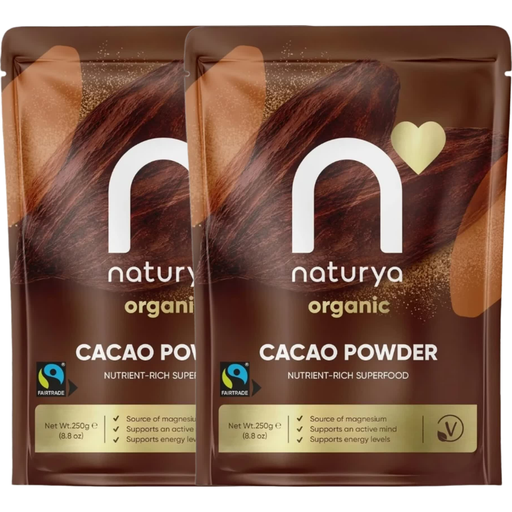
This cacao powder is an option if you can prepare hot chocolate with milk chosen separately. The title lists 250g (2 Packs); confirm the pack contents, current organic labelling and milk-allergen statement before buying.
 No image available
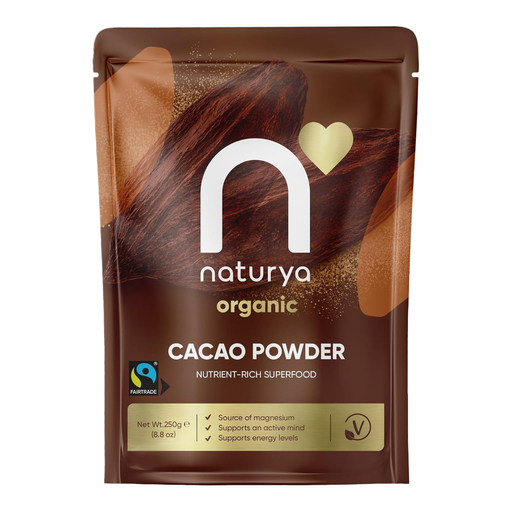
The 250g powder format lets you choose the milk for a hot chocolate prepared separately. Check the current pack’s organic labelling and milk-allergen statement, particularly if either affects whether you can use it.
 No image available
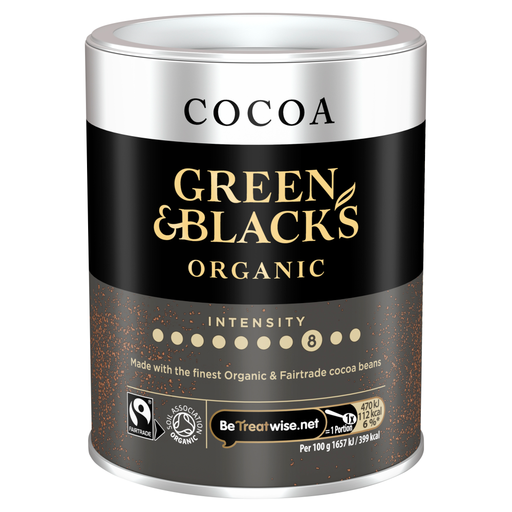
This 125g cocoa powder is another option for a drink made with separately chosen milk. Check the current pack’s ingredients: the product descriptions disagree about whether the powder is 100% cocoa or contains an acidity regulator. Check its organic and milk-allergen labelling too.
No. The powder’s organic claim does not cover milk added afterwards. If you want an organic dairy drink, choose certified organic milk separately and check that the mix’s instructions suit milk preparation.
Choose an organic mix whose instructions specify water preparation. Ocado describes Sweet Revolution’s coconut-milk-powder mix this way; it avoids needing heated dairy milk but does not produce an organic dairy drink.
Check the current product’s organic labelling, ingredients and preparation instructions, then consider anything you must add. In particular, an organic cocoa powder does not establish that separately added milk is organic.
No. The Food Standards Agency says vegan labelling alone should not replace allergen labelling. Check the current ingredients and precautionary statements when assessing milk-allergen risk.
It is precautionary allergen wording about possible unintended presence, rather than a statement that milk is an intentional ingredient. The Food Standards Agency explains this purpose of precautionary labelling; the wording matters when you assess a product for milk-allergen risk.