Who is each approach for?
The useful distinction is not simply whether a pack says organic: preparation, ingredients and the finished drink can all change which option suits breakfast.
Shoppers who require an organic claim
If organic certification is your deciding condition, start with the claim and control-body information on the current pack or product page. Defra’s Great Britain guidance places conditions on labelling food as organic; Fairtrade or responsible-sourcing wording answers a different question. Once the claim is clear, compare the drink’s format and ingredients.
People choosing a dairy-free or vegan drink
Check both the dry product and the milk added to it. Booja-Booja labels its hot chocolate dairy-free and vegan, but its stated tree-nut allergy restriction still matters. A vegan powder prepared with dairy milk will not make a vegan finished drink.
Shoppers who want to choose what goes into the cup
Plain cacao or cocoa lets you choose the milk and any sweetener rather than relying on a prepared drinking-chocolate mix. It takes a different approach to preparation, so check whether you want a base to mix yourself or a product formulated specifically as hot chocolate.
What should you check before buying?
Decide whether organic certification is a requirement, then compare the format you will actually prepare and the dietary details that apply to your household.
| Priority |
What to check |
Your needs |
| Organic claim |
Read the current organic claim and certification or control-body information. Defra’s guidance for Great Britain distinguishes an organic food claim from general ethical descriptions. |
I want the hot chocolate I serve with breakfast to have an applicable organic claim, rather than choosing it on Fairtrade or responsible-sourcing wording alone. |
| Ingredients and allergens |
Check the ingredient list, dairy-free or vegan wording, and the full allergen statement, including any ‘may contain’ warning. Check the milk used to prepare the drink as well. |
A dairy-free powder matters to me, but I also need to know whether the prepared cup and its allergen warnings suit the person drinking it. |
| Sweetness and format |
Compare the nutrition information per 100g for the products you are considering. Check whether each is a ready drinking chocolate, flakes to melt into milk, or plain cacao or cocoa to mix with ingredients you choose. |
For this breakfast, I may prefer a prepared chocolate drink; another time, I may want to choose the milk and any sweetener myself. |
| Preparation and stock |
Read the directions for heating, stirring or mixing, and check the current retailer listing for stock and pack size before ordering. |
I want a preparation method that fits breakfast and a pack I can actually order, rather than relying on an older listing. |
Which brands illustrate the choices?
These brand examples show how organic drinking chocolate, flakes and cacao differ; a brand name alone does not establish the claims on every product it sells.
Booja-Booja
Its hot chocolate is a ready drinking-chocolate option for shoppers looking for an organic claim alongside dairy-free and vegan labelling.
- Booja-Booja’s product page describes the mix as organic, dairy-free, gluten-free, soya-free and vegan.
- The product is stated to be unsuitable for people with almond, hazelnut, pecan, cashew or pistachio-nut allergy. Check the current pack before serving it to someone with an allergy.
Daylesford Organic
Its organic hot-chocolate flakes suit a shopper who wants to stir chocolate into hot milk rather than prepare an instant powder.
- Daylesford states that the dark chocolate in its flakes contains at least 56% cocoa solids.
- The product’s precautionary information says it may contain milk, cereals containing gluten and tree nuts; check the current pack if these matter to you.
Cacao Brew
Cacao Brew offers hot chocolate among its cacao drinks for shoppers considering a specialist cacao-based option.
- Cacao Brew says its hot-chocolate range is vegan-friendly.
- For a particular product, check its current ingredients, allergen statement and nutrition panel rather than applying a range-level statement to every dietary requirement.
Naturya
Naturya’s cacao powder offers a make-your-own route for hot drinks and breakfast dishes rather than a prepared drinking-chocolate mix.
- Naturya describes its cacao powder as made with 100% cacao and suitable for vegans.
- You choose what to mix with it, so check the directions and the suitability of any milk or other ingredients you add.
Green & Black’s
Its organic cocoa offers another cocoa-powder route for shoppers who prefer to make a drink with ingredients they choose.
- Joybuy listed Green & Black’s Organic Cocoa 125g in its cocoa discovery results.
- Check the exact pack and its preparation and allergen information; a category listing is not a substitute for current product details.
M&S
M&S provides a comparison for shoppers considering hot-chocolate formats or a Fairtrade claim without making organic certification their starting requirement.
- M&S describes its Instant Hot Chocolate as Fairtrade and also lists cocoa powder and flake formats.
- Fairtrade and responsible-sourcing descriptions do not establish that a particular hot chocolate is organic; check the exact product if that is essential.
Cocoa and cacao options on Joybuy
These Joybuy options are powders for making a cocoa or cacao drink when you want to choose what to add alongside a full English breakfast. They are not examples of the ready drinking-chocolate or chocolate-flake formats discussed above.
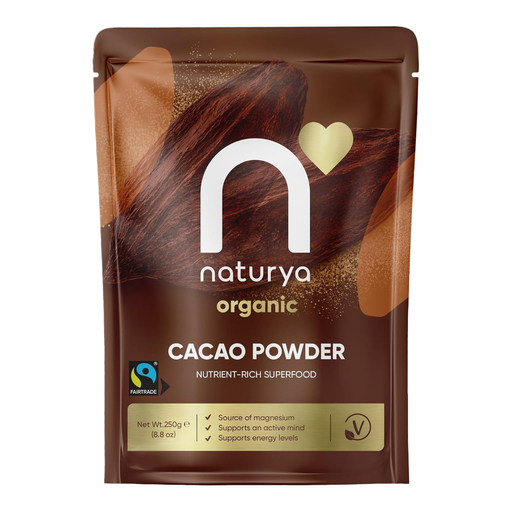 Image unavailable
Naturya Organic Cacao Powder 250g
This cacao powder is an option when you want to choose what to add to a breakfast drink; its product information also names porridge as a use. Mix it into a paste first to help avoid clumps. Check the current pack’s organic certification information and allergen statement if either affects your choice.
View on Joybuy
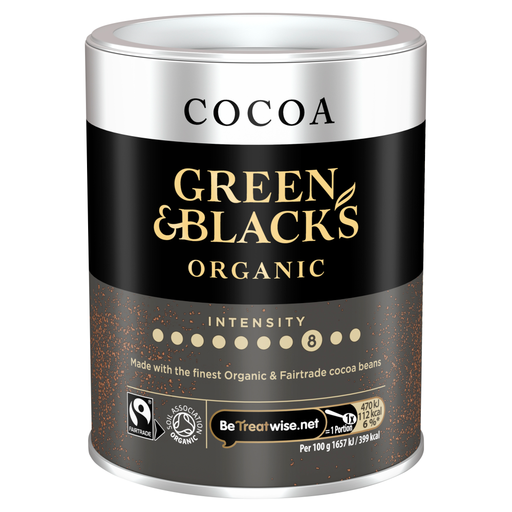 Image unavailable
g&B Organic Cocoa 125g
This cocoa powder is described for making hot chocolate when you want to choose what else goes into the cup. Its listing describes it as unsweetened and says it may contain milk. Read the current allergen statement if dairy avoidance matters, and confirm the pack’s organic certification information if that claim decides your purchase.
View on Joybuy
Common questions
What makes a hot chocolate organic in Great Britain?
Food labelled organic must meet the applicable production and certification conditions in Defra’s Great Britain guidance. Check the organic claim and current certification or control-body details for the product you intend to buy, rather than relying on general sustainability wording.
Does organic hot chocolate have to be vegan or dairy-free?
No. Organic, vegan and dairy-free are separate claims. Booja-Booja labels its organic hot chocolate dairy-free and vegan, while Daylesford’s organic flakes warn that they may contain milk. Read the claims and allergen information on the exact product.
Can a vegan hot-chocolate powder be prepared with dairy milk?
It can be prepared that way, but the finished drink would contain dairy and would not be vegan. If the served drink needs to be vegan or dairy-free, check both the powder and the milk you add.
Does organic tell me how much sugar a hot chocolate contains?
No. Organic status does not describe a drink’s sugar content. Compare the nutrition panels per 100g on the packs you are considering, and distinguish a prepared drinking chocolate from plain cacao or cocoa to which you choose what to add.
Can I ignore a ‘may contain’ warning if an allergen is not listed as an ingredient?
No, not when that allergen matters to the person drinking it. Food Standards Agency research explains that precautionary allergen labelling communicates possible unintended allergen presence. Read the current pack’s full warning before choosing a product for someone with an allergy.


