Households choosing organic dairy
If both the chocolate product and the milk in the cup need to be organic, check each component separately. An organic cocoa powder does not determine which milk is added later.


For a school-holiday lunch, choose an organic powder and a separately labelled organic milk if you want control over the dairy in the finished drink; the powder’s organic claim does not cover milk added at home. An organic milk hot-chocolate product is another option if its ingredients suit the child. Whichever route you choose, check the exact pack’s allergens, sugars and preparation amount rather than treating organic status as a sugar or allergy claim.
If both the chocolate product and the milk in the cup need to be organic, check each component separately. An organic cocoa powder does not determine which milk is added later.
A dairy-free label does not settle other allergy questions. Read the ingredients and allergen warning for the exact product and flavour before serving it.
If hot chocolate is an occasional accompaniment to lunch, compare sugars on the pack and the amount used in a cup alongside the organic claim.
Choose when: You want to select the milk yourself, including organic dairy milk if that is part of your preference.
Trade-off: You need to check two products and prepare the drink at home.
Choose when: You want a product sold as organic milk hot chocolate and its exact ingredients suit the child.
Trade-off: The pack determines the milk ingredients; check it rather than assuming it fits a particular dairy requirement.
Choose when: You want to make the drink with a separately chosen milk alternative and the powder’s allergen information is suitable.
Trade-off: Dairy-free does not mean free from other allergens or lower in sugar.
| Priority | What to check | Your needs |
|---|---|---|
| Organic ingredients and milk | Check the hot-chocolate product’s organic labelling. If you add milk and want organic dairy in the finished cup, check the milk’s label separately. | I want the dairy in the drink to be organic, not just the powder I stir into it. |
| Sugars and serving | Compare sugars per 100g on like-for-like powder labels, then check how much powder the preparation instructions use. Milk or other additions also affect the finished drink. | For a lunchtime cup, I want to know what goes into the serving rather than relying on an organic claim. Booja-Booja reports 62g sugars per 100g for its plain hot chocolate; that is a powder value, not a prepared-drink value. |
| Allergens | Read the exact flavour’s ingredients and allergen warning, including information about milk and nuts. Check the milk or alternative added at home too. | If a child needs to avoid an ingredient, I need to check the whole drink. Booja-Booja labels its plain powder dairy-free but warns that it is unsuitable for consumers with certain tree-nut allergies. |
When you mix a powder at home, the milk is a separate ingredient. The powder’s label cannot establish the organic status of that milk.
If organic dairy matters, check the organic labelling on both purchases. For a product sold as organic milk hot chocolate, read its ingredient list to see what the pack contains.
Organic labelling does not tell you the sugars in a serving. Booja-Booja reports 62g sugars per 100g for its plain hot-chocolate powder, while the quantity used in a cup is a separate consideration.
Compare the exact nutrition panels and follow each product’s preparation instructions. The NHS advises families to cut down on free sugars.
Other ingredients or allergen warnings can still matter. Booja-Booja states that its plain dairy-free hot chocolate is unsuitable for consumers with almond, hazelnut, pecan, cashew or pistachio nut allergy.
Check the current label for the exact product and flavour, as well as anything added when making the drink.
These examples illustrate different ways to make or buy the drink; a brand’s presence here does not establish the ingredients of every product it sells.
Its plain organic hot-chocolate powder is a dairy-free option to make with a separately chosen milk or alternative.
An organic thick hot-chocolate powder for making with milk chosen at home.
Fortnum & Mason describes its 250g product as organic milk hot chocolate.
Ocado describes its organic hot chocolate as made with organic cocoa beans and intended to be mixed with hot milk.
These Joybuy options are cocoa or cacao powders for making a drink with milk you choose separately, rather than organic milk hot-chocolate products with the dairy already in the mix. Check the current pack for preparation directions and allergens before serving.
 No image available
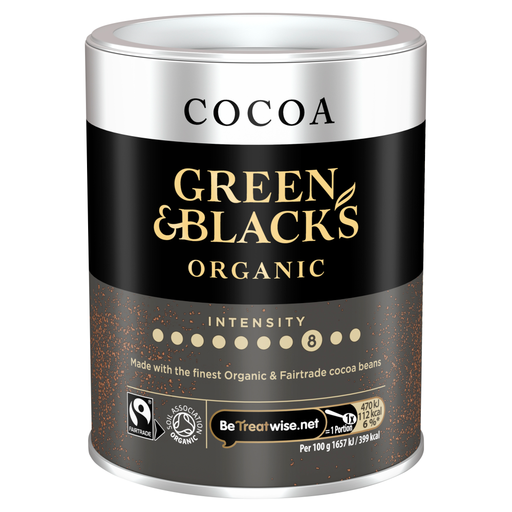
This organic cocoa powder can be used to make hot chocolate with milk chosen separately; use organic milk too if organic dairy is the aim. The listing gives 0.8g sugars per 100g for the powder and says it may contain milk. Check the pack for a preparation measure and for allergy suitability.
 No image available
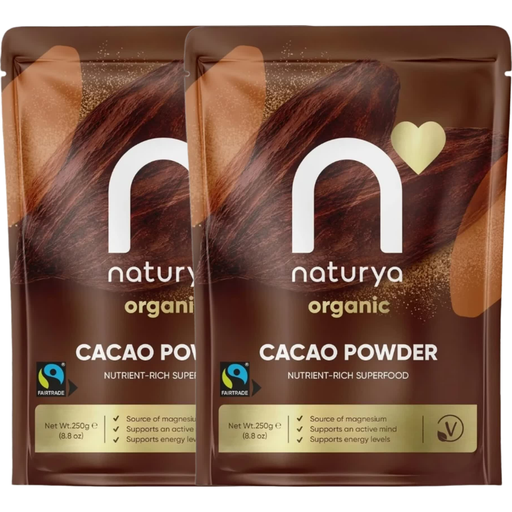
This organic cacao powder is listed for hot-chocolate use, with the milk selected separately. It is also presented as a daily wellness powder rather than a formulated hot-chocolate mix, so check its directions before making a child’s drink. The listing warns that the packaging facility may handle nuts and seeds; check the current label if allergies matter.
 No image available
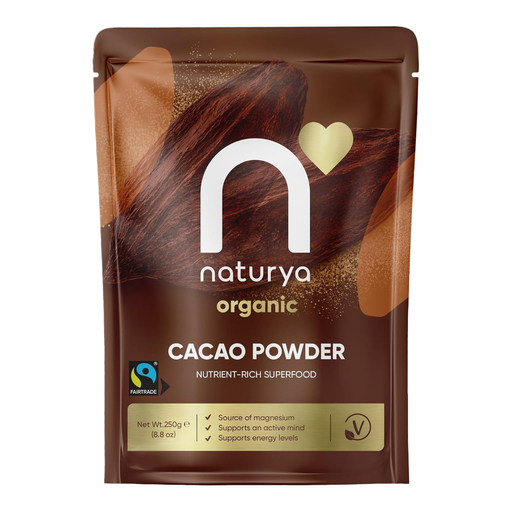
This is the 250g pack of Naturya’s organic cacao powder, listed for hot-chocolate use with milk chosen separately. It is presented as a daily wellness powder, not a formulated hot-chocolate mix; check the pack directions for preparation. The listing says its packaging facility may handle nuts and seeds, so read the current allergen information.
The powder’s organic claim does not cover milk added at home. If you want both components to be organic, check the powder and the milk separately.
No. Check the exact flavour’s full ingredients and allergen warning, plus anything added to the cup. Booja-Booja’s plain powder is labelled dairy-free but carries a warning for consumers with several tree-nut allergies.
No. Read the sugars value on the exact pack and check the quantity used to make the drink; a per-100g powder figure is not the figure for a prepared cup. The NHS advises families to cut down on free sugars.
The Department for Education’s school food standards concern food and drink provided by state-funded schools, not a school-holiday lunch served at home. For a drink you prepare at home, use the product’s ingredients, allergen information, nutrition panel and preparation directions to inform your choice.