Busy high-protein breakfast shoppers
Look for a quick oat breakfast with a measurable protein contribution. Compare protein per dry sachet with protein per prepared serving, as the liquid used can change the figure.


Choose a protein-labelled instant oat sachet when a clearly stated protein amount and quick preparation matter most. Choose organic oat sachets or traditional organic oats when organic status is the priority, then check the nutrition panel, preparation basis and any separate protein food rather than assuming organic oats are high in protein.
Look for a quick oat breakfast with a measurable protein contribution. Compare protein per dry sachet with protein per prepared serving, as the liquid used can change the figure.
Organic status and protein content answer different questions. Check both the organic claim and the nutrition panel when convenience and a high-protein eating pattern matter.
Check the exact variant’s ingredient and allergen declaration before buying protein-fortified oats. Examples of added protein sources include soy and milk protein, while a gluten-free need calls for a specifically labelled product.
Choose when: You need a fast breakfast with a quantified protein contribution and are comfortable with the added protein source.
Trade-off: Prepared-bowl nutrition can include protein from milk, and an organic designation is not established by a protein claim.
Choose when: Organic status and sachet convenience matter more than a stated high-protein amount from the oats alone.
Trade-off: Check the current nutrition panel and plan a suitable protein accompaniment if protein is an important meal consideration.
Choose when: You want more control over the oat base and the protein food you add.
Trade-off: Traditional oats can take longer to prepare, and the added food needs its own ingredient and suitability checks.
| Priority | What to check | Your needs |
|---|---|---|
| Comparable protein | Compare protein per dry sachet, pot or serving before comparing prepared bowls. If using prepared values, use the same liquid and stated quantity for each option. | I want to see how much protein comes from the oat product itself and how much is added by the preparation liquid. |
| Organic status | Check the exact product’s organic designation and the current pack information. In the UK, the Department for Environment, Food & Rural Affairs says businesses marketing or selling organic products must be certified by an approved UK organic control body. | Organic sourcing is important to me, but I still want to assess protein, sugars, salt and preparation separately. |
| Added protein source | Read the ingredient and allergen declaration for the exact flavour and pack. Protein-fortified oat products can use soy, milk or wheat protein. | I need an option that fits the ingredients I avoid, rather than choosing on protein grams alone. |
| Preparation routine | Check whether the product is a microwave sachet, a pot or traditional oats, plus the stated cooking method. Compare prepared-serving nutrition only with the liquid you plan to use. | Breakfast needs to fit my available time without assuming that every oat product is equally quick to prepare. |
Organic certification and protein content are separate matters. An organic oat product may not make a high-protein claim, while a protein-fortified instant product may not have an organic designation.
Decide whether organic status, a quantified protein amount or both are essential, then check the exact pack’s claim, protein grams and ingredients.
A prepared-serving figure can include nutrients from the liquid. For example, Quaker Protein Oat So Simple Original lists 8.1g protein per dry sachet and 15g when prepared with 190ml semi-skimmed milk.
Compare dry-product nutrition first. For prepared bowls, use the same liquid, volume and method across products.
Protein-fortified oats can contain soy or milk proteins, which can change their suitability for people avoiding those ingredients.
Read the current ingredients and allergen declaration for the exact flavour immediately before purchase; formulations can differ between variants.
Preparation times vary: Tesco describes Quaker Protein Original as ready in 2½ minutes, while Tesco Organic Oats list 6 to 7 minutes on the hob.
Check the format, instructions and current availability before choosing, and keep an organic-oats-plus-protein option in mind if a preferred instant product does not fit your routine.
Traditional oats can add preparation time, while switching products may mean choosing a different format or accompaniment.
Relevant for shoppers looking for a protein-fortified, microwaveable Oat So Simple sachet rather than plain oats.
Relevant for organic oat shoppers seeking sachets as well as non-instant oat formats.
Relevant as a retailer with organic oats and a separately marketed high-protein instant-oat option.
Relevant for shoppers considering organic traditional oats with a separately chosen protein food.
These Joybuy options cover protein-labelled oat products and organic oat bases for a separately chosen protein food.
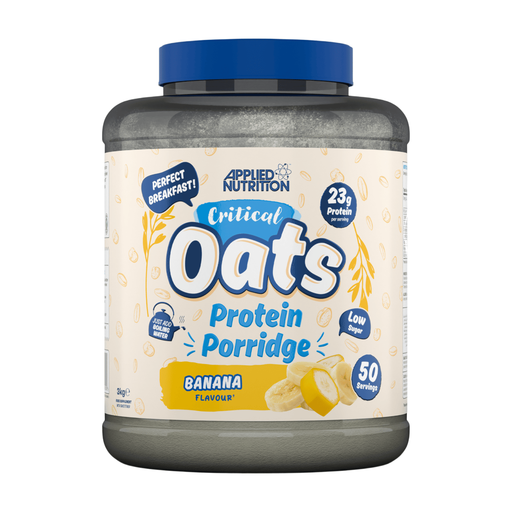 No image available
An oat porridge powder with a stated protein amount for shoppers comparing an organic oat claim with protein per serving.
 No image available
A microwaveable protein-porridge sachet for a quick breakfast where the added protein source is acceptable.
 No image available
An organic oat base for a customised breakfast with a separately selected protein food.
 No image available
An organic oat base for shoppers who prefer to choose their own protein accompaniment.
Organic is a regulated marketing term. The Department for Environment, Food & Rural Affairs states that businesses producing, preparing, storing, importing, exporting, marketing or selling organic products in the UK must be certified by an approved UK organic control body; this is separate from protein, preparation time and allergen suitability.
Not on its own. Compare the dry-product and prepared-serving columns: Quaker Protein Oat So Simple Original lists 8.1g protein per dry sachet and 15g when prepared with 190ml semi-skimmed milk, so the prepared bowl includes protein from the milk.
No. Organic status concerns certified production and marketing, while protein content must be checked on the exact product’s nutrition panel. Compare dry serving sizes and any stated preparation method before deciding how the oats fit your meal.
Check the exact flavour and current pack. Quaker’s Protein Peanut Butter lists soy protein and soy lecithin, while Flahavan’s High Protein Porridge Pot lists milk protein, so another flavour or brand should not be assumed to use the same protein source.
Choose a product specifically labelled gluten-free rather than assuming all oats qualify. The Food Standards Agency states that foods labelled gluten-free must contain no more than 20mg/kg gluten, and oats must still be emphasised as an allergen.