What should you check?
Start with the organic claim and tea type, then check caffeine or botanical ingredients as relevant before choosing a pack and brewing format.
| Priority |
What to check |
Your needs |
| Organic status |
Look for an explicit organic claim and certification information for the product. The Department for Environment, Food & Rural Affairs says UK organic food labelling requires organic production rules to be met, at least 95% organic agricultural ingredients and certification by an approved control body. |
I want to check an organic production claim, rather than rely on words such as “natural” or “premium”. |
| Caffeine |
Check the tea type, any stated caffeine per serving and the preparation basis for that figure. The NHS advises no more than 200mg of caffeine a day during pregnancy and recommends the same limit while breastfeeding; count other caffeine sources too. |
If I am tracking caffeine, a disclosed per-cup amount helps me plan. I cannot use an organic claim as a caffeine figure. |
| Herbal ingredients |
Read the full botanical ingredient list. For pregnancy, the NHS advises avoiding teas containing liquorice root and drinking no more than four cups of herbal tea a day; it notes limited research on their effects. |
For an herbal infusion during pregnancy, I want to know exactly which plants it contains before choosing it. |
| Daily preparation |
Check the pack size, brewing directions and whether you have an infuser, strainer or teapot. A caddy or refill format does not establish organic status or caffeine content. |
With an interrupted routine, I need a quantity and a way of brewing loose leaves that I will actually use. |
Loose-leaf tea on Joybuy
This loose black-tea option is relevant if you want to check an organic claim alongside the ingredients and caffeine considerations that matter in a new-parent household.
 No image available
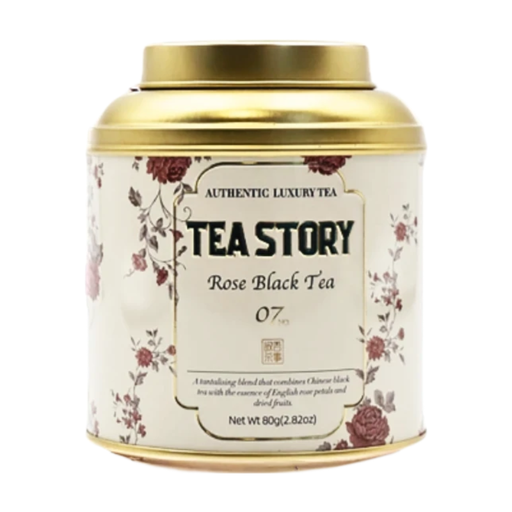
Tea Story Rose Black Tea, 80g loose leaf
This loose black tea comes in an 80g pack. The listing describes it as ECOCERT organic; check the certification details for this pack if organic status is essential, and seek a caffeine figure if you need to track intake per serving.
View on Joybuy
Questions about organic loose-leaf tea
Does organic loose-leaf tea contain less caffeine?
An organic label does not state a tea’s caffeine content. Check the tea type and any per-serving figure separately; the NHS identifies tea as a caffeine source.
How should I count tea towards caffeine intake during pregnancy?
The NHS advises no more than 200mg of caffeine a day in total during pregnancy. Include tea alongside other sources such as coffee, cola and chocolate, and use a product’s stated serving basis when assessing any caffeine figure.
What changes when choosing loose tea while breastfeeding?
Check whether the tea is caffeinated or decaffeinated and consider caffeine from everything consumed that day. The NHS recommends no more than 200mg a day while breastfeeding and notes that caffeine in tea can vary with tea type and brewing time.
Is any organic herbal infusion suitable during pregnancy?
Organic status does not establish the suitability of its botanical ingredients. The NHS advises avoiding teas containing liquorice root, drinking no more than four cups of herbal tea a day during pregnancy and seeking individual advice if you are unsure.
What should I check when a UK tea is labelled organic?
Look for an explicit organic claim and certification information that matches the product you receive. The Department for Environment, Food & Rural Affairs says organic food labelling requires compliance with organic production rules, at least 95% organic agricultural ingredients and certification by an approved control body.


