Bonfire Night hosts making warm drinks
If you are serving both plain matcha and lattes, a powder with clear preparation instructions helps you portion each drink and decide what to add.


For Bonfire Night lattes or baking, look for an organic-labelled powder intended for those uses; for a simple whisked cup, compare ceremonial powders and their preparation instructions. Whichever style you choose, check the exact pack’s organic labelling and ingredients, and plan portions with guests’ other caffeine sources in mind.
If you are serving both plain matcha and lattes, a powder with clear preparation instructions helps you portion each drink and decide what to add.
Japanese origin, colour and grade do not establish organic status. Check the organic claim, ingredients and certification information for the exact product you receive.
For an evening serving, check how many grams of powder go into each drink and consider caffeine from other drinks consumed that day.
Start with the organic claim and ingredients, then choose a powder around what you will actually serve.
| Priority | What to check | Your needs |
|---|---|---|
| Organic labelling | Look for an explicit organic claim on the exact item and inspect the pack’s certification information. Department for Environment, Food & Rural Affairs guidance, updated in August 2025, says food labelled organic must meet organic-production rules; approved control bodies certify organic products in the UK. | I want the organic claim to apply to the matcha I buy, rather than relying on words such as ‘ceremonial’ or ‘Japanese’. |
| Drink or recipe | Check whether the producer describes the powder for lattes, baking or a plain whisked serving. Compare its stated preparation method if you are making several cups. | Will I whisk a simple hot drink, add milk, or use some of the powder in food? Those plans may call for different preparation instructions. |
| Ingredients and format | Read the full ingredient list: pure matcha powder, a tea blend and a prepared latte mix are different products. Check the stated portion for sachets or shots. | I’d like to choose what goes into each drink. If I pick a blend instead, I need to know what else it contains. |
| Serving and caffeine | Use the product’s serving guidance in grams, not an assumed scoop size. Consider caffeine from matcha alongside tea, coffee and other sources. | For an evening gathering, I want to know how much powder is in each cup, especially when guests are tracking their caffeine intake. |
Grade, origin and colour describe different aspects of matcha; they do not establish whether it meets UK organic-labelling rules.
Choose an item explicitly labelled organic and check the exact pack’s ingredients and certification information.
If most of the matcha will go into lattes or baking, a powder’s suitability for those uses matters more to the decision than a ceremonial description alone.
Compare the producer’s suggested uses with your Bonfire Night menu before choosing a grade.
Scoop sizes and stated portions can differ between products, while other drinks also contribute to the day’s caffeine intake.
Measure the powder using the product’s gram-based guidance and consider other caffeine sources when planning servings.
A tea blend, shot or latte mix may contain other ingredients, so it may not suit a recipe calling for pure matcha.
Read the complete ingredient list and portion information before substituting one format for another.
Clearspring describes its Japanese matcha products as organic and offers premium and ceremonial grades.
JING Tea lists an Organic Ceremonial Grade Matcha in a 30 g pack.
Waitrose lists matcha-containing tea, including Clearspring Organic Matcha Sencha tea bags.
Teapigs has a matcha shopping category.
M&S describes matcha as powder made from ground, shade-grown green tea leaves and also uses matcha in drinks and food.
These options include organic-labelled matcha powders for drinks, a gift set and a roasted variation. Compare the exact pack and intended preparation before choosing one for your Bonfire Night plans.
 No image available
A gift-set option for serving matcha drinks. Check the set contents, preparation instructions and organic labelling on the exact pack before planning portions.
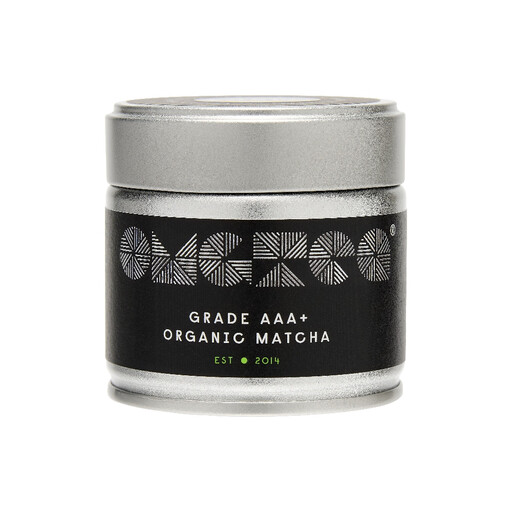 No image available
Consider this powder for a plain whisked serving. Check its sifting and serving instructions, as well as the organic details on the exact pack.
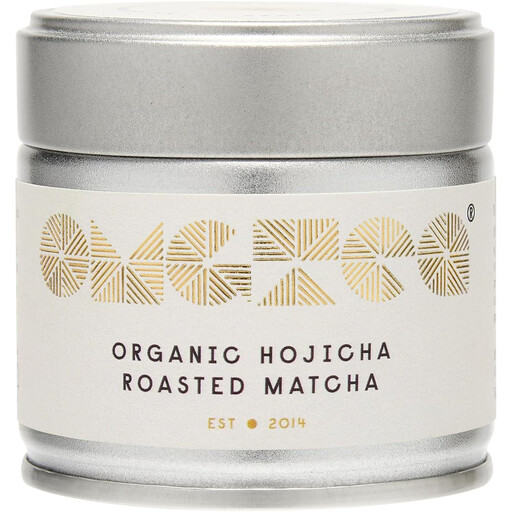 No image available
This roasted variation is a different choice from a conventional plain matcha serving. Check whether its stated uses suit your drinks or food, and inspect the exact pack’s organic labelling.
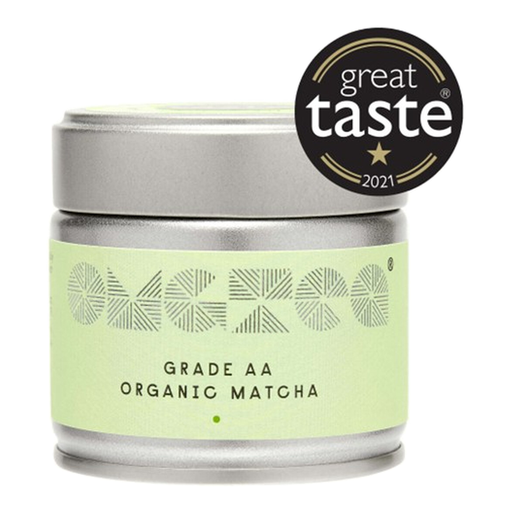 No image available
A powder option to consider for drinks or recipes. For several evening servings, check the pack’s preparation guidance, portion size and organic labelling.
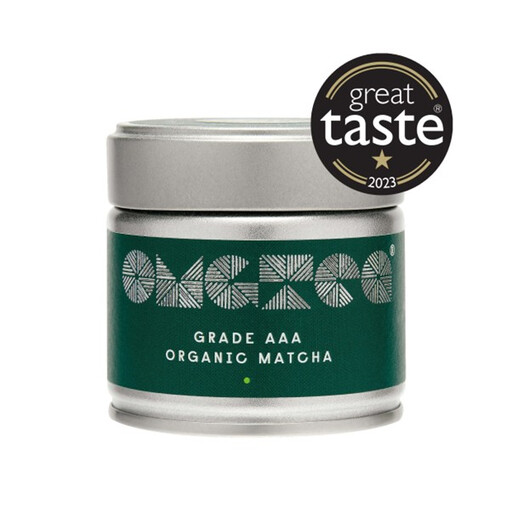 No image available
Another organic-labelled powder option for drinks or cooking. Check the exact pack’s ingredients, organic details and serving instructions before using it for an event.
Choose a product explicitly labelled organic, then check the exact pack and its certification information. Department for Environment, Food & Rural Affairs guidance, updated in August 2025, says food labelled organic must meet organic-production rules, and approved control bodies certify organic products in the UK.
No. Ceremonial grade does not itself establish organic status under the UK organic-labelling rules described by the Department for Environment, Food & Rural Affairs. Look for an explicit organic claim and check the exact product’s label.
Look for an organic-labelled powder whose producer identifies those uses. Clearspring positions its premium-grade matcha for drinking and home baking; check the ingredients and preparation directions of whichever product you choose.
Follow the instructions for the particular powder and measure its stated portion. JING Tea, for example, specifies 1.5 g per 160 ml for its Organic Ceremonial Grade Matcha; that ratio is not an instruction for every product.
Yes. Check how much powder the serving uses and consider caffeine from other drinks and foods as well as matcha. A gram-based portion is more useful for planning than assuming every scoop contains the same amount.