Regular matcha drinkers watching their budget
If you make lattes or smoothies regularly, compare products in the same powder format. A matcha-containing tea bag makes a different kind of drink, even when its packaging features matcha.


For whisked matcha, lattes or recipes, choose organic matcha powder rather than a tea bag that merely contains matcha: the formats are not interchangeable. A tea blend suits a brewed drink, while a product described as ceremonial may be worth considering if you drink matcha with water and care about its stated origin or cultivar. An organic claim alone does not establish purity or how the matcha will taste.
If you make lattes or smoothies regularly, compare products in the same powder format. A matcha-containing tea bag makes a different kind of drink, even when its packaging features matcha.
If organic production is essential to your choice, check the claim on the pack separately from the ingredients. The UK Department for Environment, Food & Rural Affairs says food described as organic must have been inspected and certified.
If you usually whisk matcha into water, details such as a stated origin or cultivar may matter to your choice. Treat ceremonial and flavour descriptions as product positioning, not a guarantee that you will prefer the taste.
Decide whether you want powder or brewed tea first. Then check the organic claim, ingredients and preparation directions on the specific product.
| Priority | What to check | Your needs |
|---|---|---|
| Organic claim | Check the pack’s organic claim and certification information. The UK Department for Environment, Food & Rural Affairs says food labelled organic must have been inspected and certified; that does not establish its ingredients or flavour. | I want an organic claim I can check, rather than choosing by green packaging or a description of where the tea was grown. |
| Ingredients and format | Look for a powder described as 100% matcha if you need powder. Check a tea bag’s ingredients for the distinction between matcha and a blend containing matcha. | For a whisked drink or recipe, I need powder. If I want to brew a cup of tea, a blend is a separate option. |
| Preparation | Read the product’s serving and water instructions. Clearspring gives a 1 g powder method with 30 ml of hot water; Twinings describes 1 g with water at 70°C to 80°C. | I would rather choose a preparation method that fits how I drink matcha than rely on a ceremonial description alone. |
| Pack and set | Confirm the net weight and, for a gift set, what is included. Compare packs in the same format so that powder, tea bags and accessories do not become interchangeable choices. | If I only need powder for drinks or cooking, I want to know what comes with a set before choosing it. |
A tea-bag blend makes a brewed drink, not the powdered matcha used in a whisked drink or a recipe. Waitrose lists matcha-containing tea bags alongside separate matcha powders.
Read the format and ingredients: choose powder for whisking or recipes, and a tea bag when brewed tea is what you intend to make.
UK organic labelling is a regulated claim, but it does not tell you whether a product is solely matcha or whether you will like its flavour.
Check the organic claim first if it is a requirement, then assess the ingredients, pack size and intended preparation separately.
A producer’s descriptions of a ceremonial powder cannot establish your own preference, particularly if you mainly prepare matcha in lattes rather than with water.
Choose according to how you plan to prepare it, and use origin and cultivar details as product information rather than proof of a particular taste.
Clearspring lists a 30 g organic Japanese matcha powder for whisked preparation. Its Matcha Sencha tea bags are a different format.
Grape Tree lists PerfectTed Organic Matcha Powder in a 30 g pack described as 100% pure matcha.
Twinings lists a 30 g organic matcha powder with instructions for preparing a drink.
JING describes its 30 g organic ceremonial matcha as coming from Kirishima, Japan, and using the Okumidori cultivar.
These Joybuy listings include organic-labelled matcha powders, a matcha gift set and a distinct roasted option. Check the pack’s ingredients and certification information against your requirements.
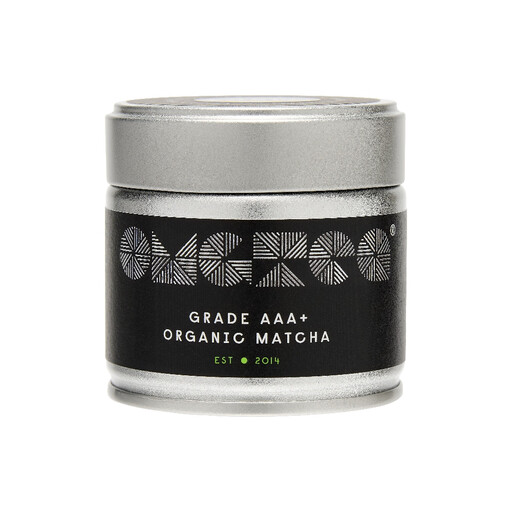 No image available
A 30 g matcha option for whisked drinks. Check the pack’s certification information and follow its preparation and storage directions.
 No image available
A matcha gift-set listing for home preparation. Confirm the set’s contents if you only need powder, and check the pack’s organic certification information.
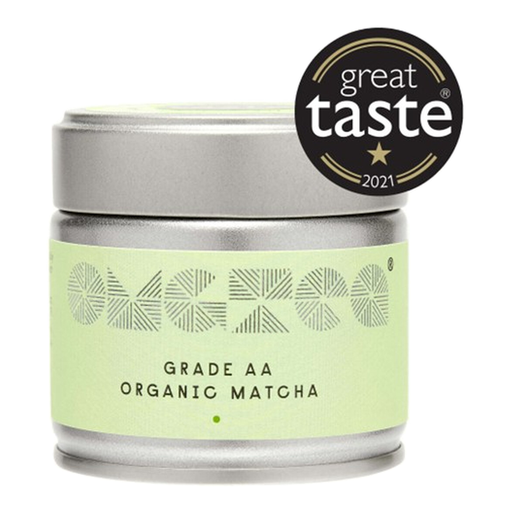 No image available
A 30 g option to consider for drinks or recipes. Check the ingredients and organic certification information on the pack.
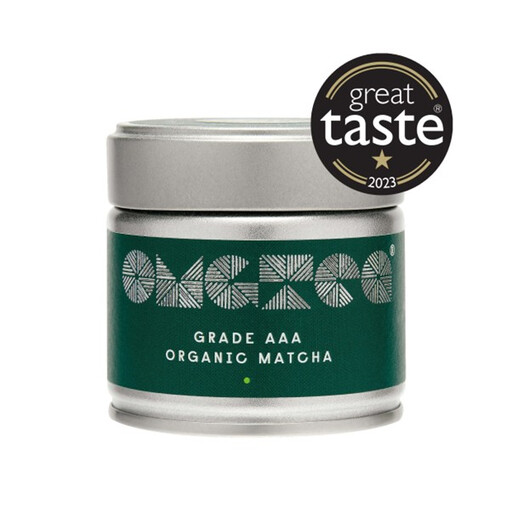 No image available
A 30 g AAA-labelled option for drinks or recipes. Compare its pack information with the AA variant rather than treating the grade wording as a taste guarantee.
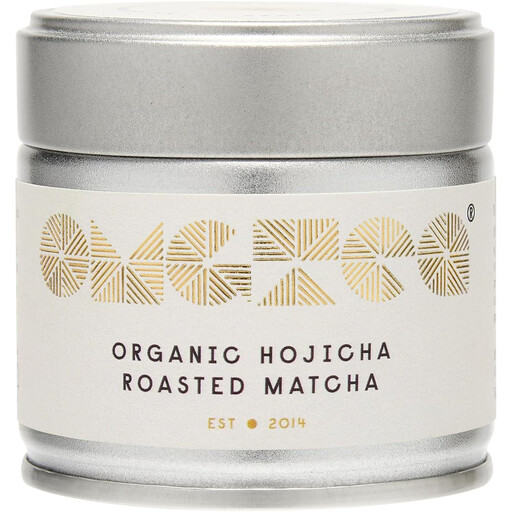 No image available
This 30 g roasted option is distinct from standard matcha powder. Consider it if you want the roasted format for lattes or baking, and check the pack’s organic certification information.
It is a regulated food-labelling claim, not simply a description of colour or origin. The UK Department for Environment, Food & Rural Affairs says food must have been inspected and certified before it is described as organic; check the product’s pack for the information relevant to your purchase. Organic labelling does not establish that the contents are solely matcha.
No: check the ingredients and format before substituting one for the other. Clearspring lists its ceremonial powder as 100% organic matcha, while Waitrose lists matcha-containing tea-bag blends separately from powders. Choose a tea bag for brewed tea, not for a recipe that calls for whisked powder.
No. Treat ceremonial as product positioning and check the organic claim separately. Product details such as the stated origin, cultivar and preparation method can help you assess a powder intended for drinking with water, but they do not replace certification information or guarantee its flavour.
Check the powder’s directions and the set’s contents before choosing accessories. Clearspring describes whisking 1 g of powder into 30 ml of hot water; Twinings gives a 1 g method using a bamboo whisk. Those instructions can help you decide what you need for the product you choose.