Care-home catering managers
For teams choosing between a measured matcha ingredient and a brewed tea, while keeping organic claims and delivered-pack information in their kitchen records.


Choose pure organic matcha powder when the kitchen needs a measured ingredient for drinks or recipes; choose organic matcha-containing tea bags for a conventional brewed-tea service, recognising that they are green-tea blends rather than pure matcha. Check the organic claim on the delivered pack and assess whether a caffeinated drink fits each resident’s needs and preferences before serving it routinely.
For teams choosing between a measured matcha ingredient and a brewed tea, while keeping organic claims and delivered-pack information in their kitchen records.
For teams checking whether a caffeinated drink and its time of service fit a resident’s assessed needs, including any bladder-related concerns.
For people whose preference for a matcha drink can be accommodated within their individual food, drink and care arrangements.
Choose when: the kitchen needs a measured matcha ingredient for a drink or recipe.
Consider: staff need a consistent preparation measure, and caffeine suitability still depends on the resident.
Choose when: a brewed green-tea service fits the menu and staff workflow.
Consider: the Clearspring and Pukka examples are green-tea blends, not 100% matcha ingredients.
| Priority | What to check | When it matters to me |
|---|---|---|
| Organic claim | Check the delivered pack’s organic labelling and the supplier’s certification details. The Department for Environment, Food & Rural Affairs says organic product claims depend on certification by an approved organic control body. | I need an organic claim I can check for the product actually delivered, not just a description on a retail page. |
| Format and ingredients | Check whether the menu calls for pure powder or brewed tea, then read the ingredient list. Waitrose lists Clearspring Matcha Sencha as 97.5% sencha and 2.5% matcha, and Pukka Supreme Matcha Green as 98% green tea and 2% matcha. | If a recipe calls for matcha as an ingredient, I need powder. For an ordinary brewed-tea service, a matcha-containing blend may fit instead. |
| Resident suitability | Check the resident’s assessed food and drink needs, preferences and any relevant care-plan instructions. The Care Quality Commission’s Regulation 14 requires providers in England to assess nutritional needs and provide food that meets them. | A drink offered across the home still needs to fit the individual resident, rather than being treated as suitable because it is organic. |
| Caffeine and portion | Check the powder measure and product-specific caffeine information, as well as the time of service. Clearspring estimates approximately 32mg of caffeine per 1g of its Premium Grade powder; NHS Lancashire Teaching Hospitals notes that caffeine can irritate the bladder. | Where caffeine or bladder symptoms are a concern, I need a defined serving and an alternative that fits the resident’s plan. |
| Ingredients and allergens | Check the current delivered-pack label and record ingredients in prepared drinks, including any milk, plant drink or topping added. Keep kitchen information aligned with the products in use. | I need staff serving the drink to have current information about the complete recipe, not just the matcha product. |
Organic certification concerns production and labelling, not whether a caffeinated drink fits an individual’s assessed needs.
Check the organic claim for sourcing, then consider the drink against the relevant resident’s food, drink and care plan.
The amount of powder changes the caffeine in a serving. Clearspring estimates approximately 32mg of caffeine per 1g of its Premium Grade powder.
Use a documented measure for the exact product and check the serving against individual requirements.
Waitrose lists Clearspring Matcha Sencha tea bags as 97.5% sencha and 2.5% matcha, while its Pukka Supreme Matcha Green listing gives 98% green tea and 2% matcha.
Choose a tea bag for brewed tea; check for a pure powder when a recipe calls for matcha as an ingredient.
Recipes can change. Waitrose advises customers to check product labels rather than rely solely on its website information.
Check each delivered pack’s ingredients, allergen information, organic claim and storage instructions before updating kitchen records.
These examples distinguish pure matcha from matcha-containing blends; a retailer listing is not a substitute for checking the pack delivered.
Its Premium Grade product is a pure organic matcha powder, while Matcha Sencha is a separate tea-bag blend.
JING lists an organic ceremonial matcha powder for a preparation-led drink service.
Its Organic Supreme Matcha Green is a matcha-containing tea-bag blend listed by Waitrose.
The retailer lists the Clearspring and Pukka organic matcha-containing tea bags discussed here.
These Joybuy options are matcha products to consider for a measured powder service, rather than tea-bag alternatives. Check the contents and current pack information for the particular product before adding it to a care-home menu.
 No image available
For a measured matcha service, check what the gift set contains and whether its preparation instructions fit the kitchen’s recipe. Confirm the delivered pack’s organic claim, ingredients, allergen information and caffeine details before serving it to residents.
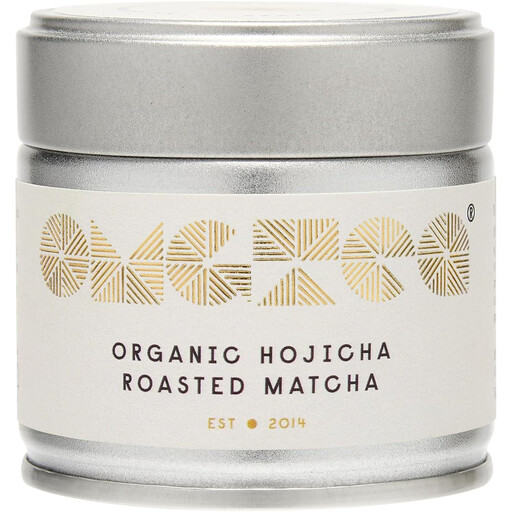 No image available
This 30g roasted matcha is a different menu choice from conventional unroasted matcha. Check its preparation measure, organic claim, current ingredients, allergen information and caffeine details on the delivered pack, then assess the intended serving for each resident.
Check the claim on the delivered product and ask the supplier for its certification details. The Department for Environment, Food & Rural Affairs says products and suppliers must be certified by an approved organic control body for products to be labelled organic.
No: an organic claim does not establish whether the drink fits a resident’s individual needs. In England, the Care Quality Commission’s Regulation 14 requires providers to assess nutritional needs and provide food that meets them; use the relevant care assessment and preferences when deciding whether to offer matcha.
Use a defined portion and check whether caffeine and the time of service fit the resident’s plan. Clearspring estimates approximately 32mg of caffeine per 1g of its Premium Grade powder, while NHS Lancashire Teaching Hospitals notes that caffeine can irritate the bladder.
Not where the recipe requires a 100% matcha ingredient. Waitrose lists Clearspring Matcha Sencha tea bags as 97.5% sencha and 2.5% matcha, and Pukka Supreme Matcha Green as 98% green tea and 2% matcha; both are blends intended for brewed tea.
Keep the current label information for the delivered matcha product and record ingredients added when preparing the drink, such as milk or a plant drink. Check each delivered pack before updating kitchen records, because retailer ingredient information may change.