What should you check?
Check the organic claim first, then choose for the way you will prepare and drink the powder.
| Priority | What to check | Your needs |
|---|
| Organic status |
Read the current organic claim and ingredient list; check the pack for certification information. The UK Department for Environment, Food & Rural Affairs says use of “organic” on food labels depends on production, ingredient and certification conditions. |
I want to distinguish an organic food claim from descriptions such as “natural” or “ceremonial”. |
| Intended use |
Check whether the maker describes the powder for plain whisking, mixed drinks or recipes. JING notes that matcha grade names are not strictly regulated, so assess the individual product. |
Will I usually drink it whisked with water, or mix it into lattes and food? |
| Preparation |
Compare the stated amount per cup and water directions. For example, JING specifies 1.5 g in 160 ml of water at 70°C for its ceremonial matcha; follow the directions for the product you choose. |
I would rather know what measuring and whisking a cup involves before choosing a powder. |
| Caffeine |
Look for a product-specific caffeine estimate and note the serving it describes. Clearspring estimates approximately 32 mg per 1 g of its dry Premium Grade powder; that figure does not describe every matcha. |
If caffeine affects my choice, I want to compare the amount I plan to use per cup with any stated caffeine information. |
| Pack and seller |
Confirm the pack size, ingredients and current seller. For a marketplace listing, check the actual listing and pack for certification and allergen information. |
When buying a larger pack or through a marketplace seller, I want to know exactly which product and seller I am choosing. |
Brand references
These examples describe particular product lines or listings, not every matcha sold under each brand or retailer name.
Clearspring
Clearspring lists organic Japanese matcha in Premium Grade and Ceremonial Grade versions.
- Its product pages list organic matcha green tea powder as the sole ingredient in both versions; the brand describes Premium Grade for drinking and home baking.
- Its descriptions of grade and flavour are brand positioning, not an independent taste comparison.
JING
JING describes its 30 g organic ceremonial matcha as single-cultivar Okumidori from Kirishima, Japan.
- The brand gives directions of 1.5 g per 160 ml cup with water at 70°C.
- Its provenance and grade descriptions are the brand’s own claims; compare the exact pack and preparation method rather than assuming a grade guarantees taste.
SuperSelf
A SuperSelf organic ceremonial matcha powder appears in Tesco’s marketplace listings.
- A Tesco product listing describes a single-ingredient, certified-organic matcha powder.
- It is a marketplace product rather than Tesco own-brand matcha. Check the current seller, pack and certification information on the listing and packaging.
Matcha options on Joybuy
These OMGTea options include matcha powders for mixed or plain drinks, a gift-set listing and a roasted hojicha alternative. Check each pack’s organic information; hojicha is not a direct substitute if you specifically want conventional matcha.
 No image available
OMGTea AA Organic Matcha Gift Set, 30 g
Consider this listing if you want matcha for mixed drinks or occasional plain use. The title identifies a 30 g gift set; check the current listing for its contents and the pack’s organic certification information.
View on Joybuy
 No image available
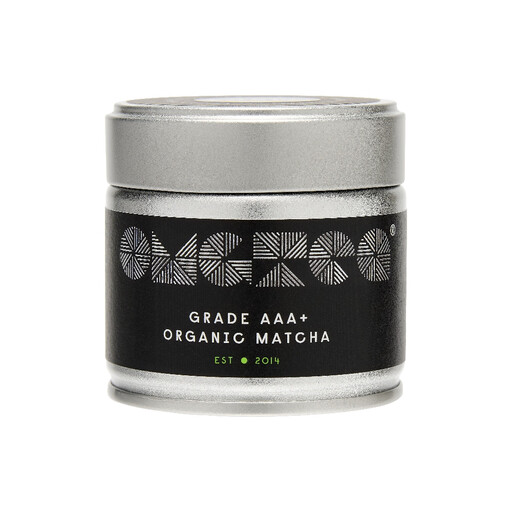
OMGTea Organic Matcha AAA+, 30 g
This 30 g matcha is described for drinking plain. If you plan to whisk it with water, check the current preparation directions, caffeine information and organic certification details on the pack.
View on Joybuy
 No image available
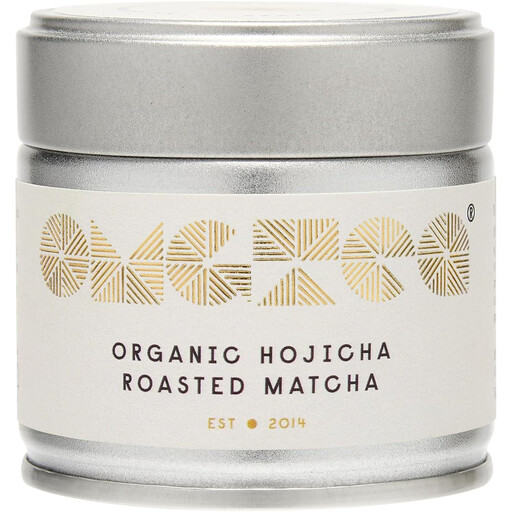
OMGTea Organic Hojicha Roasted Matcha, 30 g
Choose this 30 g listing only if you want a roasted hojicha option for drinks or recipes rather than conventional matcha. Check the current ingredients, organic information and caffeine details on the pack.
View on Joybuy
 No image available
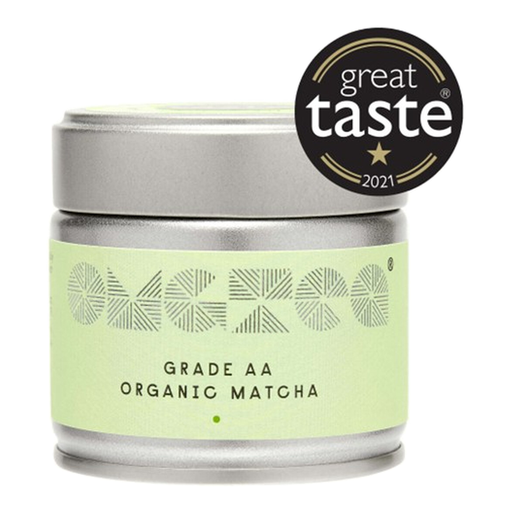
OMGTea AA High Grade Organic Matcha Green Tea, 30 g
This 30 g matcha is described for everyday drinks and recipes. Check the current pack for organic certification information, preparation directions and caffeine per serving if those affect your choice.
View on Joybuy
 No image available
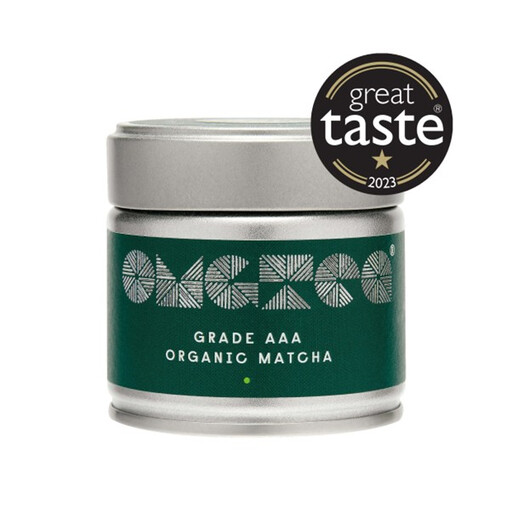
OMGTea AAA High Grade Organic Matcha Green Tea, 30 g
This distinct AAA 30 g variant is described for mixed drinks and cooking. Compare its current ingredient label, organic certification information and serving directions with the AA variant rather than assuming the grade name establishes a taste difference.
View on Joybuy
Questions about organic matcha
How can I check an organic matcha claim in the UK?
Look for an explicit organic claim and check the current pack’s ingredients and certification information. The UK Department for Environment, Food & Rural Affairs says organic food labelling depends on production and certification conditions; for processed food using “organic” in its name or description, at least 95% of agricultural ingredients must be organic.
Should I choose ceremonial matcha for lattes?
Not necessarily. If you mainly make lattes or recipes, compare powders described for those uses; Clearspring positions its Premium Grade for drinking and home baking. If you mainly drink matcha whisked with water, compare ceremonial products’ ingredients and directions, but do not treat the grade name as a taste guarantee.
How much matcha should I use in a cup?
Follow the directions for your chosen product. Clearspring gives a 1 g preparation amount for its Ceremonial Grade powder, while JING specifies 1.5 g per 160 ml cup at 70°C for its ceremonial matcha; those are product-specific instructions, not interchangeable serving rules.
Does organic matcha contain caffeine?
Yes. Organic certification does not make matcha caffeine-free. Clearspring estimates approximately 32 mg per 1 g of its dry Premium Grade powder; check the amount and serving size stated for the product you buy if caffeine matters to you.
What should I check when ordering matcha from a marketplace seller?
Check the current seller and the exact pack size, ingredients, allergen information and organic details before ordering. A marketplace category result, such as Tesco’s listing for SuperSelf matcha, is not a substitute for reading the current product listing and packaging.


