Night workers choosing for the organic claim
If organic production matters to you, look for the claim on the exact pack rather than relying on words such as “green” or “natural”. You will still need a format that fits your break.


For a night-shift break, choose a 1g organic matcha sachet if carrying and measuring powder at work is inconvenient; choose loose powder if you want to measure your own servings or use it in drinks and food. In Great Britain, the Department for Environment, Food & Rural Affairs says an organic food claim requires certification by an approved organic control body, so check the claim on the particular pack. Organic matcha still contains caffeine: plan the serving around when you intend to sleep after your shift.
If organic production matters to you, look for the claim on the exact pack rather than relying on words such as “green” or “natural”. You will still need a format that fits your break.
A 1g sachet avoids measuring loose powder during a short break. It does not remove the need to consider caffeine and your planned sleep time.
If avoiding caffeine is the priority after a shift, consider a clearly labelled caffeine-free drink instead. A mulberry-leaf powder may fill that role, but it is not matcha green tea.
Start with the organic claim and ingredients, then choose a serving format you can prepare during your break and time around sleep.
| Priority | What to check | Your needs |
|---|---|---|
| Organic claim | Check the organic wording on the exact pack and read its ingredient list. In Great Britain, the Department for Environment, Food & Rural Affairs says organic food labelling requires certification by an approved control body. | I want a regulated organic claim, not just a description of the powder as natural or green. |
| Caffeine timing | Check the stated serving size and any caffeine information for that product. Sherwood Forest Hospitals NHS Foundation Trust says caffeine has a six-hour half-life; account for other caffeine you have consumed too. | If I plan to sleep soon after my shift, I need to decide whether a caffeinated drink fits that timing. |
| Serving format | Compare a pre-portioned sachet with loose powder that you must measure. Check what you need to prepare either format at work. | A short break may make a defined sachet useful; at home, I may prefer to measure powder for different drinks or recipes. |
| Ingredients | Read the full list on the particular sachet or powder. A pure matcha product and a flavoured latte mix can contain different ingredients, even when both mention matcha. | I would rather choose any sweetener or flavouring myself than assume every portable sachet contains only matcha. |
| Drink style | Decide whether you will drink matcha with water or mix it into milk, a smoothie or food. Clearspring describes its ceremonial-grade powder as having a smoother, slightly sweet flavour; “ceremonial” is not a separate organic certification. | For a straight matcha drink, flavour may shape my choice. In a mixed drink or snack, preparation and ingredients may matter more to me. |
Organic certification concerns production and labelling, not caffeine removal. Caffeine can remain relevant when you intend to sleep after a shift.
Choose organic for its production standard if that matters to you; consider the serving and its timing separately.
Portable products may be pure matcha or flavoured mixes. Waitrose & Partners lists a PerfectTed variety-stick product with coconut sugar and natural flavourings, while its Clearspring Matcha Shot listing identifies 100% organically grown matcha powder.
Check the ingredients and organic wording on the exact flavour and pack, especially if you want to choose your own additions.
Clearspring lists both premium and ceremonial organic matcha. It describes the ceremonial powder’s finer leaves and smoother flavour for drinking; the grade does not establish a different organic certification or a caffeine-free drink.
Decide how you will use the powder. For a latte or snack, compare the ingredients and preparation details rather than choosing by grade alone.
Clearspring’s Kuwa Matcha is made from mulberry leaves, not matcha green tea leaves. Its caffeine-free description does not make it the same drink as tea-leaf matcha.
Choose tea-leaf matcha when that is the ingredient you want; check for a clearly labelled caffeine-free alternative when avoiding caffeine matters more.
Clearspring lists Japanese organic matcha as loose premium and ceremonial powders and as 8 x 1g Matcha Shot sachets.
In a 2017 post, teapigs said its matcha green tea was 100% organic and certified by IMO Switzerland and JONA.
These options include loose matcha, a roasted variation and a portioned latte mix. Compare each pack’s ingredients and preparation needs against your break routine; a latte sachet is not the same as a sachet of pure matcha.
 No image available
This loose matcha option lets you measure powder for a break rather than use a pre-portioned sachet. Check what the gift set contains, confirm the organic claim on the current pack and account for caffeine when planning your serving.
 No image available
For a straight matcha drink, allow time at work to measure and prepare this loose powder. Confirm the pack’s organic claim and check its serving and caffeine information when planning a drink before daytime sleep.
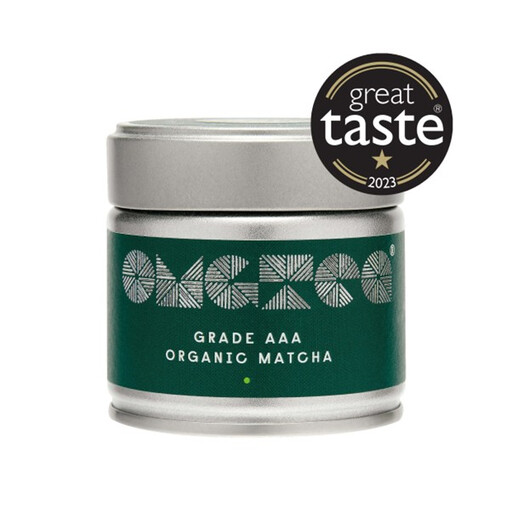 No image available
This loose powder gives you the option to measure matcha for a drink or food preparation. Check the current pack’s organic claim and serving and caffeine information if portion planning matters during your shift.
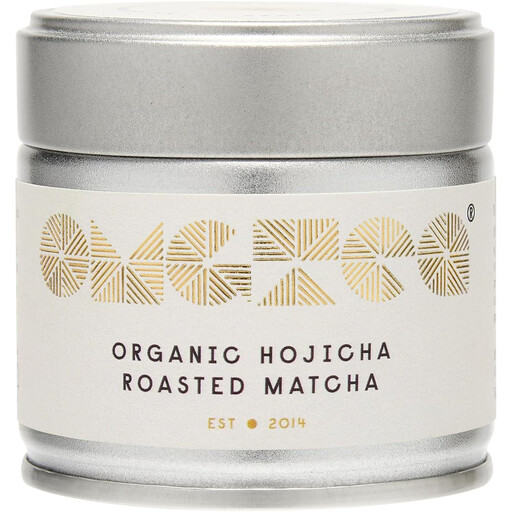 No image available
Choose this roasted style only if that is the drink you want in place of a standard matcha preparation. Check the current organic claim, the suggested serving and caffeine information; roasted does not mean caffeine-free.
 No image available
Individual sachets are convenient to carry for a drink break, but this is a latte blend rather than pure matcha. The ingredient information identifies oats and cereals containing gluten; check the current allergen panel, the organic wording for the whole blend and caffeine information before choosing it.
The Department for Environment, Food & Rural Affairs says a food can be labelled or advertised as organic only when the product and its suppliers are certified by an approved organic control body. Check the organic wording and ingredients on the particular matcha pack rather than treating its colour or origin as proof.
No. Organic certification does not remove caffeine from matcha green tea. Check the serving and caffeine information for the product you intend to prepare, particularly if you will sleep after your shift.
Work back from when you intend to sleep and consider the caffeine in your matcha serving alongside other drinks. Sherwood Forest Hospitals NHS Foundation Trust says caffeine has a six-hour half-life, so having matcha late in a shift can leave caffeine in your body afterwards; individual responses vary.
Choose a sachet of pure matcha when a defined, portable serving matters more than measuring powder yourself: Clearspring lists its Matcha Shot as 8 x 1g. Loose powder offers flexibility for drinks or food but requires measuring and preparation; check ingredients carefully if the sachet is a flavoured latte mix.
No. Clearspring identifies its caffeine-free Kuwa Matcha as 100% organic Japanese mulberry leaf powder, not matcha green tea. It is a different option for a drink close to planned sleep, rather than caffeine-free tea-leaf matcha.