Plain matcha drinkers
If you want to whisk a breakfast cup with water, look for a powder whose ingredient list and organic labelling match that plan. A tea bag containing matcha makes a different kind of drink.


Choose a single-ingredient organic matcha powder if you want to whisk matcha with water or use it as the base of a breakfast latte. A matcha-containing tea bag is quicker to brew but may be mostly another tea, so check the ingredients as well as the organic claim on the exact product. If you are keeping track of caffeine, check the serving information and include other caffeinated drinks in your daily total.
If you want to whisk a breakfast cup with water, look for a powder whose ingredient list and organic labelling match that plan. A tea bag containing matcha makes a different kind of drink.
A single-ingredient powder gives you matcha to mix with milk, plant milk or other breakfast ingredients. Check the product’s stated preparation uses rather than relying on a grade name alone.
An organic matcha-containing tea bag may suit a routine built around brewing tea. Check its composition if the amount of matcha matters: Waitrose lists Clearspring Organic Matcha Sencha tea bags as 97.5% sencha and 2.5% matcha.
Start with how you will prepare breakfast matcha; then check the exact product’s ingredients, organic labelling and serving instructions.
Choose it when: You want matcha whisked with water. JING describes its ceremonial-style matcha as intended for a plain cup.
Bear in mind: JING’s flavour description is its own guidance, not a guarantee of how any powder will taste; a ceremonial grade name also does not establish that a product is organic.
Choose it when: You want the same matcha powder for lattes, smoothies or food. Tesco’s SuperSelf listing states these uses for its single-ingredient powder.
Bear in mind: Check the individual powder’s ingredients and preparation guidance; a stated use in mixed drinks does not tell you whether you will enjoy it whisked plain.
Choose them when: Brewing a cup of tea matters more to you than preparing pure matcha powder.
Bear in mind: Tea bags are not interchangeable with powder in a latte or recipe. Waitrose lists Clearspring Organic Matcha Sencha as 97.5% sencha and 2.5% matcha.
| Priority | What to check | Your needs |
|---|---|---|
| Organic labelling | Check the organic claim on the exact pack and listing. GOV.UK publishes rules on labelling food as organic; a grade name or general product description is not an organic label. | I’m choosing organic matcha, so I want the claim to apply to the product I actually buy. |
| Ingredients and format | Read whether the product is single-ingredient powder or a blend. Where a percentage is declared, check how much is matcha: Waitrose lists one Clearspring tea bag blend as 2.5% matcha. | For whisking or adding matcha to a latte, I want powder rather than a tea bag that happens to contain matcha. |
| Preparation | Check whether the product gives instructions for whisking with water, mixing with milk or adding to food. JING describes ceremonial-style matcha as intended for a plain whisked cup; this is the brand’s guidance, not an independent flavour test. | Am I making a water-only cup, or will I mix the matcha into a breakfast drink or recipe? |
| Caffeine | Check caffeine information for the product and serving size you intend to use. Food Standards Scotland and the Food Standards Agency advise considering caffeine from tea alongside other sources, including coffee and energy drinks. | If breakfast includes coffee as well as matcha, I want to account for both when tracking caffeine. |
| Pack and storage | Choose a pack size that fits how often you expect to use it, and follow that pack’s instructions after opening. A Tesco PerfectTed matcha listing, for example, says to keep it sealed in a cool, dry place. | I’ll use a small amount at a time, so I want a pack I can store as directed between breakfasts. |
A matcha name does not mean the contents are pure matcha. Waitrose lists Clearspring Organic Matcha Sencha tea bags as 97.5% sencha and 2.5% matcha.
For a whisked cup, latte or smoothie made with powder, check that the ingredient list identifies the powder you need.
JING uses ceremonial grade to describe a style intended for whisking plain. That description does not establish the organic status of every ceremonial-style product.
Check the organic claim on the exact pack or listing separately from its grade and preparation advice.
A breakfast matcha contributes to caffeine intake alongside other caffeinated drinks. Food Standards Scotland and the Food Standards Agency advise considering sources together.
Use the product’s serving-specific information where available, particularly if you are monitoring your intake.
The pack size needs to work with how frequently you make matcha and how the product should be kept after opening.
Read the exact pack instructions and keep the container sealed as directed between uses.
These examples show why the exact product and format matter; a brand or retailer name alone does not identify what is inside the pack.
Clearspring offers different matcha formats, including a Japanese organic matcha powder and an organic matcha-sencha tea bag blend.
JING lists a 30g Organic Matcha Ceremonial Grade product from Japan and positions ceremonial-style matcha for whisking plain.
Tesco listings illustrate the difference between a pure powder sold through its Marketplace and matcha-containing tea products.
These options include matcha powders for whisking or mixing, a roasted variation and vanilla latte sachets. Check each product’s current organic labelling and ingredients if either is central to your choice.
 No image available
Consider this 30g gift-set option for a whisked breakfast cup. Check what the set includes, the organic labelling on the pack and its serving and preparation instructions.
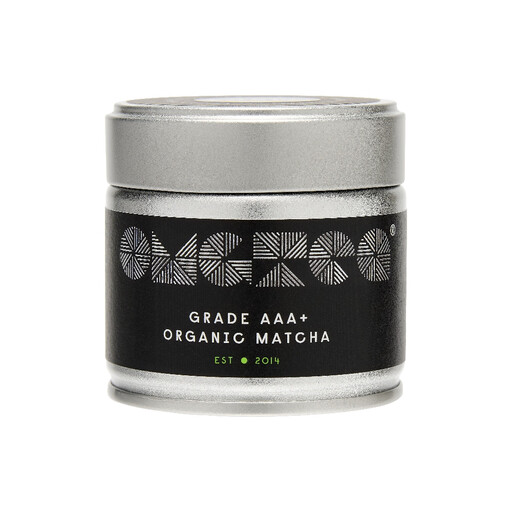 No image available
This 30g powder is an option to examine for a plain whisked cup. Its preparation guidance calls for sifting before whisking; check the pack’s organic labelling and storage instructions too.
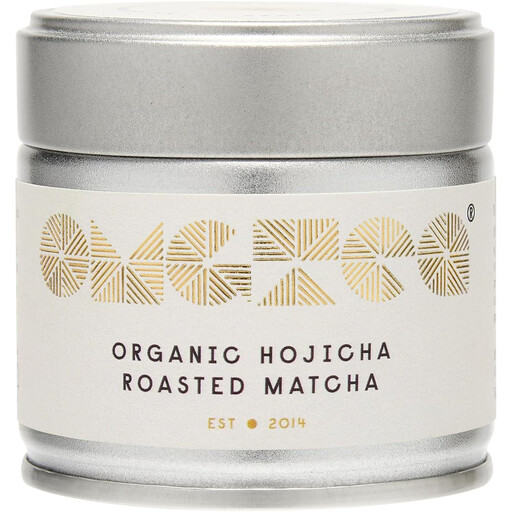 No image available
This 30g roasted variation is described for lattes and smoothies. Because it is explicitly roasted, do not assume it will make the same kind of cup as conventional green matcha; check the pack’s organic labelling and serving details.
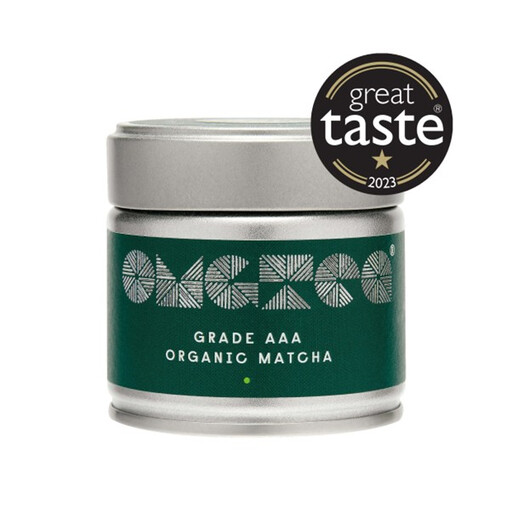 No image available
Consider this 30g powder if you plan to add matcha to breakfast drinks or food. Check the pack’s organic labelling and preparation and caffeine information for the serving you intend to use.
 No image available
These vanilla sachets are a blended latte mix for a quick breakfast drink, not pure matcha powder. The pack contains six 12g sachets; check its full ingredients, allergen declaration, organic labelling and caffeine information against your needs.
Read the ingredient list rather than relying on the product name. Tesco describes its SuperSelf powder listing as single-ingredient matcha, while Waitrose lists Clearspring Organic Matcha Sencha tea bags as 97.5% sencha and 2.5% matcha. Choose powder when a whisked drink or recipe calls for matcha powder.
No particular grade follows from making a latte. JING positions ceremonial-style matcha for whisking plain and describes more robust culinary-style matcha as able to stand up to milk or sugar; that is the brand’s guidance, not a universal flavour ranking. Check the uses stated for the powder you are considering.
Check the organic claim on the exact product’s pack and listing, alongside its ingredients. GOV.UK publishes rules on certifying and labelling food as organic; wording such as “ceremonial grade” does not replace an organic label.
Yes. Food Standards Scotland and the Food Standards Agency advise considering caffeine from tea alongside other sources, including coffee and energy drinks. Check the amount stated for your matcha product and serving rather than applying another product’s figure.
Follow the instructions on the pack you buy. For example, Tesco’s PerfectTed matcha listing says to keep the opened product sealed in a cool, dry place.