Who is each format for?
Start with how you will use the top-up: whisked with water, mixed into food and drinks, or brewed as an infusion.
Plain-matcha drinkers
If you usually whisk matcha with water, look for a small pack of pure powder. Clearspring and JING Tea both describe organic ceremonial powders intended for this kind of preparation; compare their pack instructions rather than assuming the same serving size.
Latte and recipe makers
A pure powder gives you control over how much matcha goes into a latte, smoothie or bake. Clearspring describes its organic premium powder for both drinking and cooking, making intended use worth checking alongside ingredients.
Tea-bag shoppers
If you want to brew a green tea without whisking powder, a matcha-sencha bag is a different option. The Clearspring blend listed by Waitrose contains predominantly sencha leaves, so it will not do the job of pure powder in a recipe.
What should you check?
For a small top-up, settle the format first, then check the organic claim and the serving instructions on the exact pack.
| Priority |
What to check |
Your needs |
| Organic claim |
Look for an organic claim and certification details on the pack or retailer listing. UK guidance from the Department for Environment, Food & Rural Affairs says food labelled organic must meet organic production rules, have at least 95% organic agricultural ingredients, and have the product and suppliers certified by an approved organic control body. |
I want to check what the organic claim means, rather than relying on the powder’s colour, origin or grade wording. |
| Ingredients and format |
Read the ingredient list for pure matcha powder versus a blend intended for infusion. Waitrose lists Clearspring Organic Matcha Sencha tea bags as 97.5% sencha leaves and 2.5% matcha powder. |
If I am whisking a cup or following a recipe that calls for matcha powder, a tea bag will not replace it. For a brewed green tea, the bag may be the format I actually want. |
| Intended use |
Check whether the maker describes the powder for plain drinking, cooking or both. Clearspring positions its ceremonial powder for a whisked cup and its premium powder for drinking and recipes; those descriptions are the brand’s guidance, not a measured quality comparison. |
Most of my top-up will go into either plain cups or milk drinks and food, so I want the preparation guidance to match that routine. |
| Serving and caffeine |
Follow the serving instructions for the specific powder and check its caffeine information where given. Food Standards Scotland and the Food Standards Agency advise counting caffeine from tea alongside coffee, energy drinks and other sources. |
I want to know how much powder I use per cup and account for matcha alongside my other caffeinated drinks. |
Brand references
These product lines illustrate different matcha formats and use instructions; a brand name alone does not establish which pack suits your top-up.
Clearspring
Clearspring lists organic Japanese ceremonial and premium matcha powders, each with 100% organic matcha green tea powder in its ingredients.
- Its product guidance distinguishes a plain whisked cup from drinks and home cooking.
- Those grade and flavour descriptions are Clearspring’s own; check the exact pack’s ingredients and preparation instructions for your intended use.
JING Tea
JING Tea describes a 30g organic ceremonial matcha made from the Okumidori cultivar for plain-drinking preparation.
- The stated cultivar and pack size give shoppers specific details to compare with other plain-drinking powders.
- JING Tea’s descriptions of quality and taste are brand claims, not an independent comparison with other matcha.
Teapigs
Teapigs describes its Japanese matcha as pure organic green tea leaves and states that it is certified organic by the Soil Association.
- Its product information identifies the ingredient and names the organic certifier.
- Check the pack size and UK purchase details on the listing you intend to use.
Joybuy matcha options
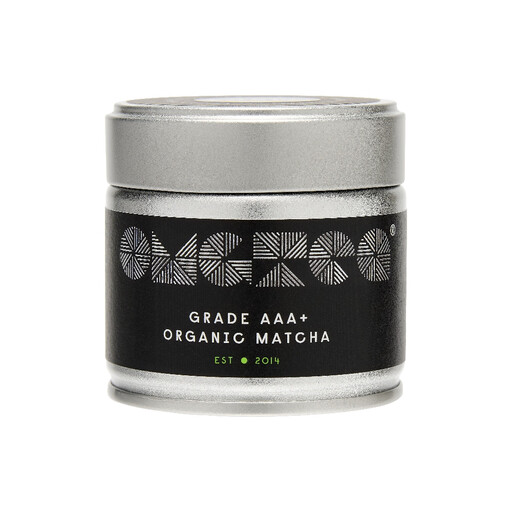
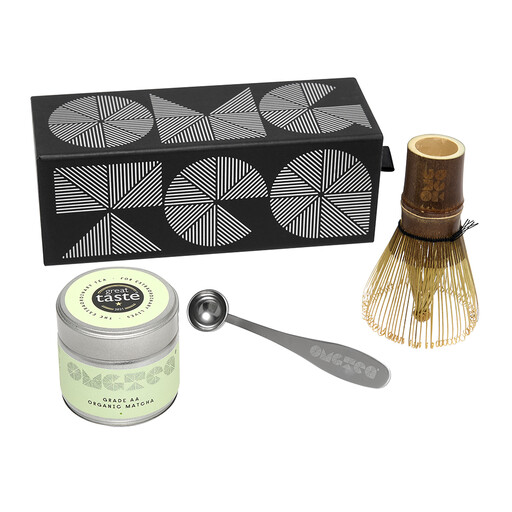
These two OMGTea options are small matcha top-ups: one is a 30g powder, while the other is labelled as a 30g gift set. Check the ingredients and organic certification for the exact pack before choosing either for an organic top-up.
 No image available
OMGTea Organic Matcha AAA+ 30g
Consider this 30g matcha for a small powder top-up when you plan to whisk a cup. Check the ingredient list, organic certification and serving instructions on the exact pack before buying.
View on Joybuy
 No image available
OMGTea AA Organic Matcha Gift Set 30g
This 30g gift-set option may suit a top-up intended for drinks as well as plain matcha. Confirm the set’s contents if accessories matter to you, and check the matcha ingredients and organic certification on the exact pack.
View on Joybuy
Questions about organic matcha
What should I check on matcha labelled organic in the UK?
Check the organic claim and certification details, not the powder’s colour or Japanese origin. Guidance from the Department for Environment, Food & Rural Affairs says food labelled organic must meet organic production rules, contain at least 95% organic agricultural ingredients, and have the product and suppliers certified by an approved organic control body.
Can matcha-sencha tea bags replace matcha powder?
No, not when you need powder to whisk or add to a recipe. Waitrose lists Clearspring Organic Matcha Sencha tea bags as 97.5% sencha leaves and 2.5% matcha powder; they are made for an infused tea instead.
How should I prepare a small matcha top-up?
Use the instructions on the powder you buy, since serving guidance can differ. For its organic ceremonial powder, Clearspring specifies 1g with 30ml of hot water and says to whisk well.
Does matcha count towards my caffeine intake?
Yes. Food Standards Scotland and the Food Standards Agency advise counting tea together with other caffeine sources, including coffee and energy drinks. Their September 2024 guidance gives a 200mg daily limit during pregnancy; for an individual matcha, use its own serving and caffeine information where available.


