Families choosing organic dairy
If the pupil can have milk and organic status matters, an explicitly labelled organic milk can be the base for a shake made at home. Plan how to keep the prepared drink cool.


If organic status is essential, make a shake with a base explicitly labelled organic rather than assuming a ready-to-drink milkshake qualifies. Choose dairy milk only if it suits the pupil; an organic soya base is another option where soya is suitable. Check the exact pack, the school’s packed-lunch and allergy policy, and how the drink will stay cool until lunchtime.
The choice starts with whether organic labelling is essential and which ingredients the pupil can have.
If the pupil can have milk and organic status matters, an explicitly labelled organic milk can be the base for a shake made at home. Plan how to keep the prepared drink cool.
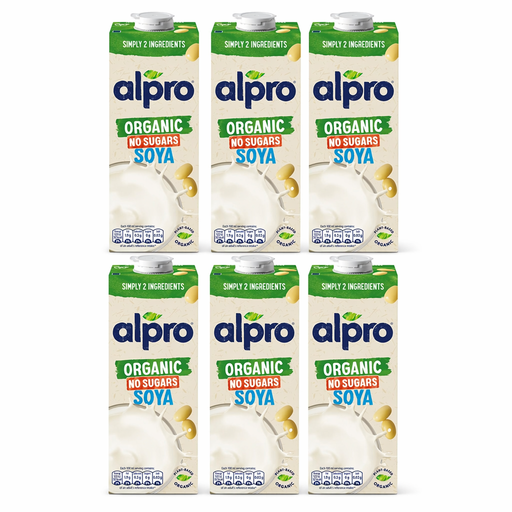
An organic soya drink is one possible shake base if soya suits the pupil. Check the exact product’s allergens and the school’s arrangements rather than assuming every dairy-free drink is suitable.
A prepared drink avoids blending at home, but convenience does not establish organic status. Check the exact pack for its ingredients, allergens and storage instructions.
Decide whether an organic claim is required, then check ingredient suitability and storage for the school day.
Consider it when: Organic status matters and the pupil can have milk; Tesco and Sainsbury’s list organic milk that can be used as a base.
Trade-off: You need to prepare the shake and keep it cool until lunchtime.
Consider it when: Dairy avoidance is needed or preferred and the pupil can have soya; Sainsbury’s lists an organic, dairy-free Alpro drink described as suitable for blending.
Trade-off: It is a shake base, not a ready-made milkshake, and dairy-free does not mean suitable for every allergy.
Consider it when: A prepared drink matters more than an organic requirement and the exact product suits the pupil and school.
Trade-off: The cited Yazoo, Frijj and Mars product information does not establish an organic claim for those examples; storage requirements also differ by product.
| Priority | What to check | Your needs |
|---|---|---|
| Organic status | Look for an organic claim on the exact product, not just natural-sounding wording. UK Department for Environment, Food & Rural Affairs guidance says organic food labelling depends on production rules and certification by an approved control body. | If organic is essential to my choice, I want to confirm the claim on the pack of the milkshake or base I will use. |
| Ingredients and allergens | Read the current ingredient and allergen declaration, including on a dairy-free alternative. Check the pupil’s individual arrangements and the school’s allergy policy. | Milk may be unsuitable for the pupil I’m packing for; a soya alternative needs its own suitability check. |
| Storage | Follow the exact product’s storage instructions. East Lancashire Hospitals NHS Trust advises a cool bag and ice pack for packed lunches, with the lunch refrigerated until morning and kept away from heat and direct sunlight. | I need a way to keep a prepared or refrigerated shake cool through the school morning. |
| Serving and lunch | Compare the pack’s serving size with its nutrition information, including values per 100 ml and per serving where shown. Consider what else is packed for lunch. | I’m choosing a drink to accompany lunch, rather than relying on it in place of the other food I pack. |
Organic is a regulated food-labelling claim in the UK. The cited Yazoo, Frijj and Mars product information does not establish organic status for those examples.
If organic status is essential, check the claim on the exact pack or use an explicitly labelled organic base for a homemade shake.
A prepared shake or product labelled for refrigeration needs attention while it is in a school bag. The reviewed Tesco listing for Frijj Chocolate Milkshake 471 ml says to keep it refrigerated.
Follow the pack’s instructions. East Lancashire Hospitals NHS Trust recommends a cool bag and ice pack and keeping a packed lunch refrigerated until morning.
Milk is an allergen; the reviewed Mars drink also lists barley. A prepacked bottle does not remove the need to check its ingredients against the pupil’s requirements.
Read the current label and follow the pupil’s allergy arrangements. Check the school’s policy before packing the drink.
The pack is the practical place to check the precise drink being sent to school, including its ingredients, organic wording and storage directions.
Use a listing to narrow the choice, then check those details on the product you buy.
These examples help distinguish organic shake bases from prepared drinks; a retailer’s range does not make every product it sells organic.
A ready-to-drink flavoured milk range to compare with making a shake at home.
A prepared milkshake range whose storage instructions depend on the exact product.
A ready-to-drink option illustrated by Asda’s Mars Chocolate Milk Shake Drink 400 ml listing.
A retailer with a listed organic dairy base as well as prepared milk drinks.
A retailer listing organic dairy milk and a separate organic soya drink that can be used as a shake base.
A retailer whose reviewed Mars listing provides details for comparing a prepared drink.
The listed soya drink is a base for making a shake, not a ready-to-drink milkshake. Check its exact pack for organic labelling and whether soya suits the pupil.
 No image available
A soya drink to consider as a base for a homemade packed-lunch shake if soya suits the pupil. Check the exact pack’s organic wording, allergen declaration and storage instructions before using it.
Look for an explicit organic claim on the exact product and check its pack. UK Department for Environment, Food & Rural Affairs guidance says food labelled organic must meet organic production rules and certification requirements; containing milk alone does not establish organic status.
Yes, if its ingredients suit the pupil and the school permits it, but plan how to keep it cool. East Lancashire Hospitals NHS Trust advises using a cool bag and ice pack, refrigerating the lunch until morning and keeping it away from heat and direct sunlight.
Do not choose a dairy milkshake without checking it against the pupil’s individual requirements. An organic soya drink can be a shake base where soya is suitable, but read its own allergen label and follow the pupil’s allergy arrangements and the school’s policy.
No. The cited Department for Education school-food guidance addresses food and drink provided in state-funded schools in England; it does not establish a single rule for every lunch brought from home. Check the named school’s packed-lunch and allergy policy.
No. That wording alone does not show the drink’s total sugars or serving size. Read the exact pack’s nutrition information per 100 ml and per serving, alongside its ingredients, allergens and storage directions.