
24/7 Customer Support

Free returns

Same-day & Next-day Delivery

Quality Guaranteed

Unlock Your Welcome Offers: FREE Delivery | Up to 80% OFF | Free 30-day JoyPlus trial
Download the APP
Navigating the ever-expanding aisle of dairy-free milks can feel overwhelming. With so many options, from oat to almond to cashew, how do you find the right organic plant based milk for your morning coffee, cereal or cooking needs? Many of us are looking for a vegan milk alternative that not only tastes great but also aligns with our values for clean, simple ingredients and sustainable practices.
As a Joybuy Product Recommendation Officer, my role is to help you sift through the choices. This guide offers practical advice and highlights some noteworthy options to help you find a plant-based milk that fits seamlessly into your lifestyle.
Before we look at specific products, here are a few key points to consider during your search.
The term 'clean label' often refers to products with a short, understandable ingredient list. When choosing an organic plant based milk, look for options free from artificial thickeners, gums and excessive added sugars. Many prefer an unsweetened plant milk where the sweetness comes naturally from the core ingredients, like oats or rice. An organic certification also provides assurance that the ingredients were grown without the use of certain synthetic pesticides and fertilisers.
Not all plant milks are created equal, especially when it comes to performance.
Always check the allergen information. While many plant milks are naturally a gluten free milk alternative, some, like oat milk, may have a risk of cross-contamination if not certified gluten-free. Similarly, if you have a nut allergy, be sure to choose a nut-free option and check for manufacturing warnings.
Here are a few standout options that cater to different tastes and uses, all with a focus on organic, quality ingredients.
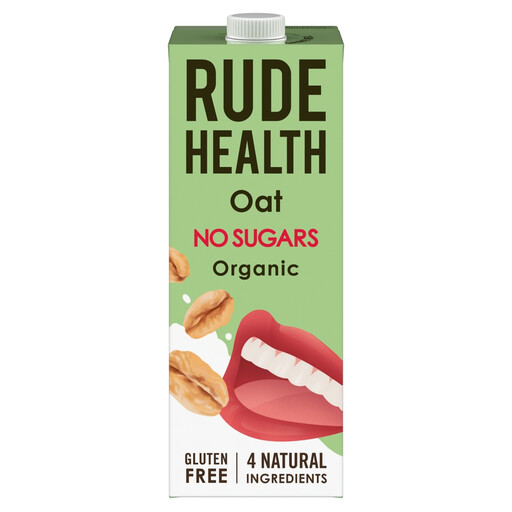
Why It Stands Out: This organic almond milk is a prime example of a clean label milk substitute. It contains no added sugars, with a subtle sweetness derived from organic rice. The formula is simple: organic Italian almonds, organic rice, spring water, cold-pressed sunflower oil and a pinch of sea salt.
Pros:
Who is it for? This is for the health-conscious individual seeking a pure and unsweetened plant milk. It's ideal for daily use in applications where a light, natural flavour is preferred.
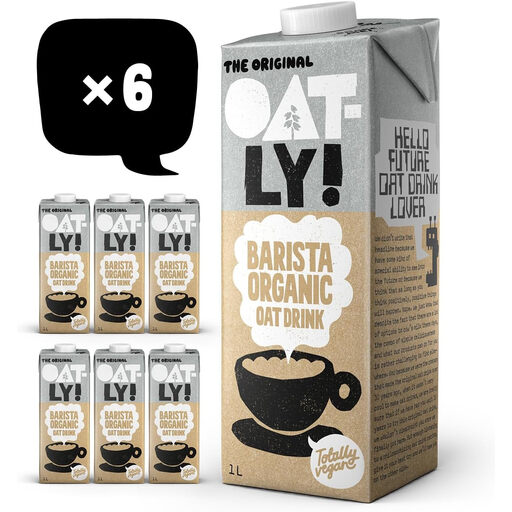
Why It Stands Out: Specifically formulated for coffee lovers, this barista oat milk is designed to perform well under heat and pressure. It uses a simple base of organic oats, water and organic rapeseed oil. The addition of an acidity regulator (potassium carbonate) helps it blend smoothly with coffee, preventing curdling and creating a creamy texture.
Pros:
Who is it for? This is the go-to for home baristas and anyone serious about their morning brew. If you've struggled to find a non dairy milk for coffee that froths well and tastes great, this is a strong contender.
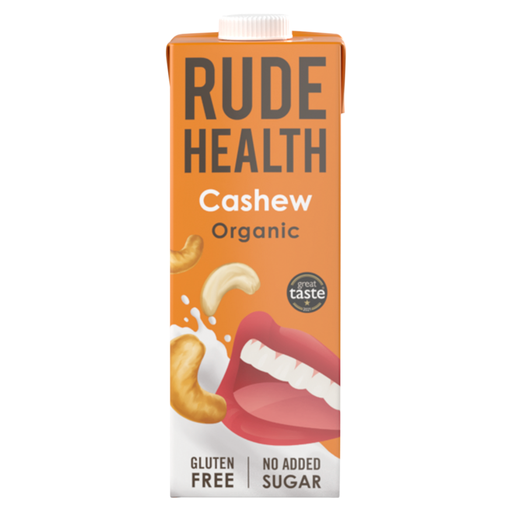
Why It Stands Out: With just three ingredients—spring water, organic cashews (4%) and sea salt—this organic cashew milk is minimalism at its finest. The cashews provide a natural creaminess and a subtle, buttery flavour that is less pronounced than almond, making it incredibly versatile.
Pros:
Who is it for? This drink is for the purist who values simplicity and a creamy texture. It's an excellent all-rounder for those who want one plant-based milk for multiple uses, from their morning tea to evening curries.
The world of plant-based drinks is vast and varied. If these recommendations aren't quite what you're looking for, or if you're curious about other alternatives like rice, coconut or soya drinks, feel free to explore our complete range.
Browse our full selection of organic beverages to find your perfect match.
Generally, milks labelled as 'barista' editions are formulated for frothing. Organic oat milk is a popular choice due to its creamy texture and neutral flavour. These versions typically contain a higher fat content and sometimes a mild acidity regulator, which helps create stable microfoam and prevents the milk from splitting in acidic coffee.
"Healthier" depends on your personal dietary goals. Organic certification ensures the ingredients are grown according to specific standards, avoiding certain synthetic pesticides and fertilisers. From a nutritional standpoint, it's important to read the label. An organic milk can still be high in added sugars. For a choice focused on minimal processing, look for an unsweetened plant milk with a short ingredient list.
A clean label milk substitute typically refers to a product made with a few simple, recognisable ingredients. Consumers often look for options that are free from artificial flavours, preservatives, thickeners (like gums) and emulsifiers. The goal is a product that feels as natural and unprocessed as possible.