Choose plain organic oats when certification, a short ingredient list and control over toppings matter most. Jordans Organic Jumbo Porridge Oats lists 12.5g of protein per 100g, or about 5g in 40g of dry oats, but the small difference between plain oat products means the milk, yoghurt or other additions are likely to shape the protein content of the finished bowl more than the oats alone.
Who these oats suit
Organic-first higher-protein breakfast planners
Choose plain certified-organic oats when you want to decide what goes into the bowl. Product labels for the reviewed oats show that toppings and cooking liquids can make a larger difference to the finished breakfast than small differences in the oats’ own protein content; the NHS identifies milk, yoghurt and soya alternatives as protein sources.
Texture-led organic oat buyers
Standard rolled oats suit a creamier, quicker bowl, while jumbo oats give more bite and usually take longer to cook. Flahavan’s product information presents this as a texture and preparation choice rather than a substantial protein difference.
Organic shoppers who also need gluten-free oats
Look for an explicit gluten-free label rather than assuming that ordinary organic oats will suit a gluten-free diet. Coeliac UK advises avoiding oat products that are not labelled gluten free because of possible contamination with wheat, barley or rye.
Buying priorities
Start by deciding whether organic certification, protein per prepared bowl, texture or gluten-free suitability is the non-negotiable part of your breakfast choice.
| Priority |
What to check |
Your needs |
| Protein in the finished bowl |
Compare protein on the same dry serving basis; reviewed plain organic oats provide about 4.4g to 5g per 40g. Check what protein comes from milk, yoghurt, soya alternatives or toppings separately. |
I want to know what the whole breakfast provides, not just the dry oats. A plain organic oat base leaves the choice of protein addition in my hands. |
| Organic status |
Check the current pack name, ingredient list and organic labelling. In the UK, DEFRA states that food labelled organic must meet organic-production rules and certification requirements. |
I want an organic oat product rather than relying on wholegrain wording or the appearance of the pack. |
| Texture and preparation |
Check flake type and pack instructions. Standard rolled oats can suit a quicker, creamier porridge; larger jumbo flakes generally give a thicker texture and may take longer on the hob. |
On busy mornings I may prefer a shorter cook, while for muesli, baking or a chewier porridge I may prefer jumbo oats. |
| Gluten-free suitability |
Look for an explicit gluten-free claim and read current allergen information. Organic, vegan and wholegrain wording do not establish gluten-free suitability. |
If I require gluten-free oats, I need a product labelled for that purpose rather than an ordinary organic oat product. |
Common buying pitfalls
-
Treating organic as a proxy for a high-protein breakfast
The reviewed plain organic oat products provide around 4.4g to 5g of protein per 40g dry serving. Choosing the highest listed plain-oat figure changes the serving by less than 1g, while the rest of the bowl can contribute considerably more.
Compare oats using the same dry serving size, then choose cooking liquids and toppings that fit your dietary requirements.
-
Assuming that organic oats are gluten free
Organic certification and gluten-free control are separate matters. Mornflake says its Organic Porridge Oats are not suitable for wheat or barley allergy sufferers because of its manufacturing methods.
When gluten-free suitability is required, choose oats explicitly labelled gluten free and check the current pack’s allergen information.
-
Comparing prepared-bowl protein with dry-oat protein
Quaker Oat So Simple Protein Original lists 8.1g of protein per dry sachet and 15g when prepared with 190ml of semi-skimmed milk. The prepared figure includes protein from the milk.
Compare dry-product nutrition first, then account separately for the protein and allergens added by the milk, yoghurt or plant alternative in your own bowl.
-
Buying jumbo oats for a meaningful protein upgrade
Jumbo oats are mainly differentiated by flake size, texture and cooking time. Flahavan’s standard and jumbo organic oats each list 11g of protein per 100g.
Choose jumbo oats for a thicker texture, muesli or baking; choose standard rolled oats when a creamier bowl and shorter preparation better suit your routine.
Relevant brand references
Jordans
A reference point for organic jumbo porridge oats when you prefer a chunkier oat texture and want the highest listed protein among the reviewed plain organic oat products.
- Waitrose lists Jordans Organic Jumbo Porridge Oats at 12.5g protein per 100g, equivalent to about 5g in 40g of dry oats.
- The Waitrose listing includes may-contain notices for other gluten sources and nuts, so check the pack if gluten-free suitability is required.
Mornflake
A plain organic oat option for shoppers looking for 100% organic British oats in a standard rolled-oat format.
- Mornflake lists 11.5g protein per 100g and 4.6g per 40g portion for its Organic Porridge Oats, made with wholegrain organic oats.
- Mornflake says its manufacturing methods mean this product is not suitable for wheat or barley allergy sufferers.
Flahavan’s
An organic oats range with standard rolled and jumbo formats for buyers choosing between a creamier, quicker bowl and a thicker, chewier one.
- Waitrose lists both reviewed formats with 100% organic wholegrain rolled oats and 11g protein per 100g.
- The jumbo format is a texture and cooking-time choice, not a protein advantage over the standard version.
Freee
An organic oat option to consider when you need a product that is explicitly labelled gluten free as well as organic.
- Waitrose lists Freee Organic Gluten Free Porridge Oats as organic, gluten free and vegan, with 11g protein per 100g.
- Its listed protein is comparable with several standard organic oats, so gluten-free status rather than protein quantity is its key distinction.
Quaker
A convenience-led protein-porridge route rather than a verified organic-oats route in the reviewed product information.
- Quaker Oat So Simple Protein Original lists 8.1g protein per dry 37.7g sachet and 15g when prepared with 190ml semi-skimmed milk.
- The reviewed product contains soy protein and carries a wheat-and-barley precaution; organic certification was not established for that product.
Joybuy product options
These Joybuy options cover plain organic oat bases and protein-focused porridge products for shoppers planning a higher-protein breakfast.
 No image available
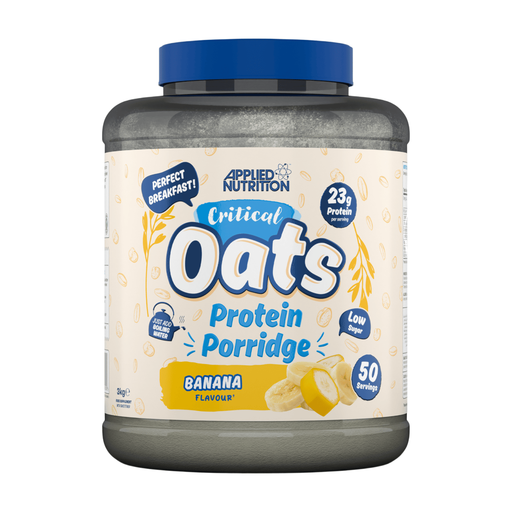
Applied Nutrition Critical Oats Protein Porridge Banana Flavour 3kg
A protein-focused porridge option for adults who want a hot or cold oat-based breakfast or snack.
The stated 60g serving provides 23.04g protein and can be mixed with water or milk. The listing identifies organic wholegrain oat flakes, whey and milk protein, but check the current pack if certified-organic status is essential; it also contains oats, whey, milk and soya.
Joybuy
 No image available
Flahavan’s Organic Porridge Oats 2kg (2 x 1kg)
A plain organic oat base for building a breakfast with your own choice of milk, yoghurt or toppings.
The listing states 100% organic wholegrain oat flakes and 4.5g protein per 40g serving. It is not presented as explicitly gluten free, so check suitability where gluten-free oats are required.
Joybuy
 No image available
Flahavan’s Organic Porridge Oats 1kg
A standard rolled-oat choice for organic-first shoppers who want to tailor the rest of their breakfast.
The listing states 100% organic wholegrain oat flakes, 11g protein per 100g and 4.5g per 40g serving. It is not explicitly gluten free; check current allergen information if that matters for your diet.
Joybuy
 No image available
Quaker Oat So Simple Peanut Butter Protein Sachets 8 Pack
A sachet-format option for a quicker protein-focused porridge routine.
The listing states 9g protein per 43g sachet and a 2½-minute microwave method. It is not described as organic in the supplied product information and contains oats and soya; it may contain milk, peanuts and nuts.
Joybuy
Frequently asked questions
Are organic porridge oats automatically high in protein?
No. The reviewed plain organic oats list roughly 4.4g to 5g of protein in a 40g dry serving. For a higher-protein breakfast, consider the finished bowl and the protein contributed by your chosen milk, yoghurt, soya alternative or other additions.
How can I identify an organic porridge oat product in the UK?
Check the current product name, ingredient list and pack labelling. DEFRA states that foods marketed as organic in the UK must meet organic-production rules and certification requirements.
Are organic oats suitable for a gluten-free diet?
Not necessarily. Coeliac UK advises avoiding oats that are not labelled gluten free because they can be contaminated with wheat, barley and rye. Choose an explicitly gluten-free product when that suitability is required and check the current pack information.
Is a protein porridge sachet a better choice than organic plain oats?
Choose a protein sachet when convenience and a higher listed protein figure are your main priorities. Choose plain organic oats when certified-organic status and control over the ingredients in your bowl matter more; compare dry-product values consistently, especially when milk is used for preparation.


