Who might choose these crisps?
The reason for buying crisps matters more than the word ‘cycling’ on a snack plan: an organic preference, a long-ride food plan and a wish to compare salt lead to different checks.
Cyclists who prioritise organic snacks
If organic production is your purchasing condition, check the claim on the exact pack. UK organic labelling rules described by the Department for Environment, Food & Rural Affairs concern production and certification, not cycling performance.
Riders planning food for longer rides
For rides over about 90 minutes, British Cycling advises eating from the start. If you want to take crisps, practise eating them during training and plan your other food and drink separately.
Cyclists comparing salt in savoury snacks
Compare the figures on the same per-100 g basis. Tyrrells states 0.06 g salt per 100 g for its Naked (no salt) crisps; that figure describes this product, not every crisp in the brand’s range.
What matters when choosing crisps for cycling?
Start with the job the snack needs to do, then compare the exact pack’s organic claim, portion size and nutrition information.
| Priority |
What to check |
Your needs |
| Organic claim |
Check the exact pack’s organic claim and certification information. Under UK rules described by the Department for Environment, Food & Rural Affairs, organic labelling requires compliance with organic production rules, at least 95% organic agricultural ingredients and certification of the product and suppliers by an approved control body. |
Organic production matters to me; a short ingredient list or potatoes grown in Britain would not answer that question. |
| Ride food |
Compare carbohydrate per pack, pack size and what you can comfortably eat. British Cycling advises starting food early on rides over about 90 minutes and practising your choices in training. |
For a longer ride, I want food I can carry and eat regularly, with a separate plan for drinks and the rest of my ride food. |
| Salt and ingredients |
Compare salt per 100 g before comparing pack portions. Read the ingredients and allergen statement on the exact product, particularly with flavoured crisps. |
I might prefer an unsalted savoury snack, or need to check whether a flavouring or allergen statement affects my choice. |
| After-ride food |
Consider carbohydrate and protein across the wider snack or meal. A review in Current Sports Medicine Reports discusses both for endurance-exercise recovery, particularly when the recovery window is under eight hours. |
If another demanding session follows soon, I would plan more than a bag of crisps for my post-ride food. |
Brand examples to compare
These examples illustrate different pack-level checks; a characteristic of one named product should not be assumed to apply across its brand.
Jasper's Organic Treasures
For an organic-first choice, Ocado describes the potatoes, extra-virgin olive oil and sea salt in Jasper's Organic Potato Crisps 100% Extra Virgin Olive Oil as certified organic.
- Ocado lists 61 g carbohydrate, 28 g fat and 0.8 g salt per 100 g for this product.
- Its organic claim does not establish that a serving will meet a long ride’s food needs; check the pack size as well as the per-100 g figures.
Tyrrells
Tyrrells Naked (no salt) is an unsalted potato crisp made with potatoes and sunflower oil, according to Tyrrells.
- Tyrrells lists 0.06 g salt per 100 g for this specific product.
- Tyrrells also lists 29.5 g fat per 100 g. Check the exact pack separately if organic certification is essential.
Walkers
Ocado lists Walkers Ready Salted Multipack Crisps as six individual 25 g packs, making the amount in one pack clear.
- Ocado lists 13 g carbohydrate, 7.8 g fat and 0.30 g salt per 25 g pack.
- Ocado’s listing includes may-contain allergen information. Check the current pack if allergens or organic certification affect your purchase.
Joybuy portioned snack options
These Joybuy options are individually portioned, flavoured potato-based snacks to consider if pack size matters. Check each pack’s organic claim, ingredients and nutrition information for your own snack or ride-food plans.
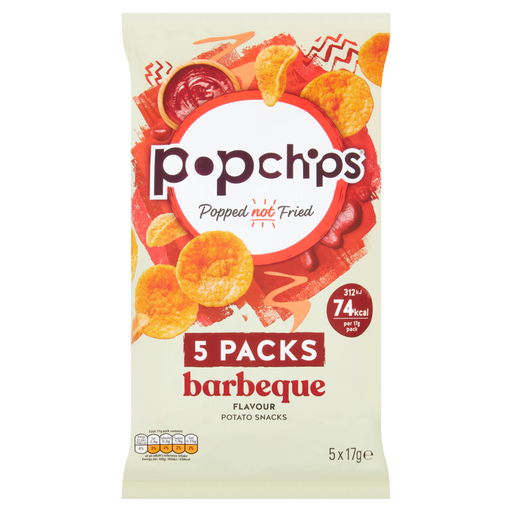 Image unavailable
PopChips Barbecue 5 x 17 g
The five 17 g packs give you individual portions to consider for a savoury snack. If you plan to eat them on a ride, try the flavour and portion during training and check the exact pack for its organic claim, nutrition information and allergens.
View on Joybuy
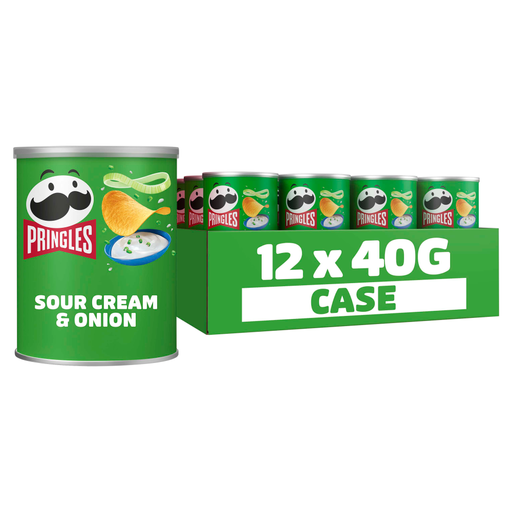 Image unavailable
Pringles Sour Cream & Onion Crisps 40 g x 12
The twelve 40 g packs provide defined portions if you prefer to choose a pack before heading out. Check the exact pack’s ingredients, allergens, organic claim and nutrition information, and try it in training before including it in a ride-food plan.
View on Joybuy
Questions about crisps and cycling
Do organic potato crisps improve cycling performance?
An organic label does not establish a cycling-performance advantage. The Department for Environment, Food & Rural Affairs describes UK organic rules in terms of production and certification; for riding, consider duration, the food you can eat regularly and what you have tried in training, as British Cycling advises.
Do I need crisps for a ride under 90 minutes?
British Cycling says additional fuel is generally unnecessary for rides up to about 90 minutes. You can choose crisps as a snack, but that duration alone does not make a pack necessary as ride fuel.
Can I take crisps on a ride over 90 minutes?
You can include a familiar crisp as part of your food plan, rather than relying on it for everything you need to eat and drink. For rides over 90 minutes, British Cycling advises eating from the start and having something every 20–30 minutes; it also recommends practising your choices in training.
What does ‘organic’ mean on a UK crisp pack?
Under the UK rules described by the Department for Environment, Food & Rural Affairs, a food labelled organic must meet organic production rules, contain at least 95% organic agricultural ingredients, and have its product and suppliers certified by an approved organic control body. Check the claim on the exact pack rather than assuming it applies to other products from the same brand.
Are crisps enough to eat after a demanding ride?
Do not rely on crisps alone to cover your recovery food when another demanding session follows soon. A review in Current Sports Medicine Reports identifies carbohydrate and protein as relevant after endurance exercise, particularly with a recovery window under eight hours; consider what the wider snack or meal provides.


