Organic-first Easter snack shoppers
If organic sourcing is essential, check the claim on the exact bar and pack before choosing it for the hunt.


Choose a protein bar for an Easter egg hunt according to who will receive it: if organic status matters, check the exact pack’s organic claim rather than relying on words such as “natural” or “plant-based”. Compare protein per bar and serving size, and read the ingredients and allergen statements before sharing; neither an organic nor a vegan claim makes a bar suitable for everyone.
If organic sourcing is essential, check the claim on the exact bar and pack before choosing it for the hunt.
Compare the stated protein per bar and ingredients for a portable snack, then check the allergen information for the particular flavour.
Individually wrapped bars can be distributed without dividing them, but each recipient still needs a suitable option. Keep the wrappers available so ingredients and allergen statements can be checked.
Start with any non-negotiable organic requirement, then compare the exact bars for serving size, allergens and how they will be shared.
| Priority | What to check | Your needs |
|---|---|---|
| Organic status | Check the organic claim on the exact pack and seller listing. UK Department for Environment, Food & Rural Affairs guidance says food labelled organic must meet organic production rules and contain at least 95% organic agricultural ingredients. | If organic sourcing is my reason for choosing a bar, “natural” or “plant-based” alone will not answer that requirement. |
| Protein and portion | Read the grams of protein per bar alongside its serving weight. Compare the ingredients as well as the stated figures. | I want to know what one wrapped bar provides, rather than compare protein figures without checking portion sizes. |
| Allergens | Read the exact flavour’s ingredients, highlighted allergens and any “may contain” statement. The Food Standards Agency explains that precautionary allergen labelling communicates possible unintended allergen presence. | Before I give bars to other people, I need to check whether each person can have the particular bar. |
| Sharing format | Check whether bars are individually wrapped, how many are in the pack and whether the packaging gives recipients access to the ingredient information. | For a group activity, I would rather distribute suitable wrapped portions than divide an unwrapped snack. |
Plant-based ingredients do not, by themselves, establish an organic claim. UK Department for Environment, Food & Rural Affairs guidance sets separate conditions for labelling food organic.
If organic status is essential, inspect the claim for the exact product rather than choosing by a search-result title or the brand’s general positioning.
Ingredients differ between bars and flavours. Pulsin’s Maple & Peanut bar, for example, contains peanuts, according to Pulsin.
Keep the original wrappers available and check ingredients, highlighted allergens and precautionary statements before distributing bars. Vegan or gluten-free wording is not a substitute for an allergen check.
A pack may leave fewer usable bars for the group if its flavour or ingredients do not suit some recipients.
Check the flavour and allergen information first, then consider the pack size and how many recipients can have that specific bar.
These examples illustrate different product approaches; a brand’s wider range does not establish the claims of every individual bar.
BodyMe describes its vegan protein bars as made with organic ingredients and states 16 g of plant protein per bar on its product page.
Pulsin describes its Maple & Peanut bar as vegan and gluten free, with 14 g protein per 50 g bar.
Grenade presents its protein-bar range as a selection of treat-style flavours with a high-protein positioning.
These Joybuy options are conventional protein bars to consider for a shared Easter activity. If an organic bar is the requirement, check for an organic claim on the exact product before buying.
 No image available
A 12-bar pack to consider when planning individual portions for a group. Each bar is listed as 50 g; check the exact pack’s organic claim, ingredients, allergen statements and intended recipients before sharing.
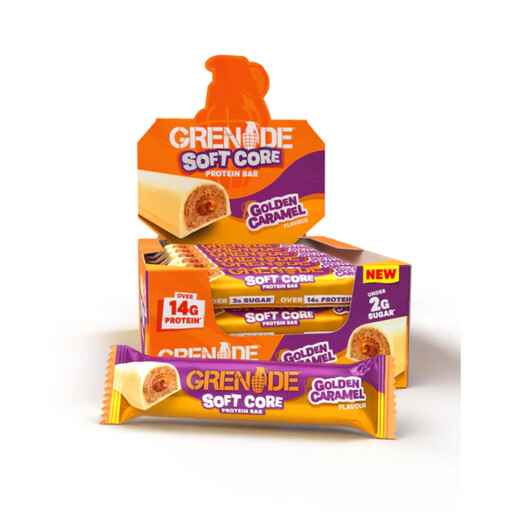 No image available
This 12-bar pack offers a different listed flavour in the same 50 g portion format. Check the Golden Caramel pack itself for organic status, ingredients, allergens and guidance about who the bars are intended for.
 No image available
The four-bar pack may fit a smaller group or a trial of this flavour. Each listed bar is 40 g; check the exact pack’s peanut and other allergen information, as well as any organic claim, before sharing.
Check the claim on the exact product label and seller listing. UK Department for Environment, Food & Rural Affairs guidance says food labelled organic must meet organic production rules and contain at least 95% organic agricultural ingredients; “natural”, “plant-based” and “high protein” do not establish that claim.
No. Check the ingredients and allergen statements for the exact flavour: Pulsin states that its Maple & Peanut bar contains peanuts. The Food Standards Agency explains that precautionary allergen statements indicate possible unintended allergen presence and should be read alongside the ingredients list.
Do not assume one bar suits every participant. Check the exact product’s ingredients, allergens, texture and any age-related guidance, and keep its wrapper available so recipients or their carers can review it before accepting a bar.
Compare grams of protein together with the serving weight, rather than treating all bars as equal portions. BodyMe states 16 g plant protein per bar for its vegan range, while Pulsin states 14 g per 50 g Maple & Peanut bar; these are manufacturer-stated figures for different products, not a like-for-like ranking.