What should you check before buying?
Decide whether organic production, dietary fit or a particular nutrition value drives the choice, then check those points on the exact flavour and pack.
| Priority |
What to check |
Your needs |
| Organic status |
Check the product’s organic claim, rather than assuming one organic ingredient makes the whole bar organic. DEFRA’s UK guidance, dated 20 August 2025, says an organic-labelled food must have at least 95% organic agricultural ingredients, with the product and suppliers certified by an approved control body. |
I want organic production to be the reason I choose this bar, not just an organic ingredient mentioned in its list. |
| Protein and dietary fit |
Compare grams of protein per bar and the serving size. BodyMe states 16 g per 60 g bar; Pulsin lists 12 g per 50 g Vegan Peanut Choc bar; Myprotein states 30 g for its High-Protein Bar. Check the protein source and the exact product’s vegan or vegetarian statement. |
A portable bar is useful with my coffee, but I also need its protein amount and ingredients to fit what I’m looking for. Myprotein says its cited bar contains collagen and milk protein and is not vegetarian or vegan. |
| Sugars and sweeteners |
Read the per-serving sugars figure alongside any no-added-sugar or low-sugar claim, then check ingredients and advisory wording. Pulsin lists 7.5 g sugars per 50 g Vegan Peanut Choc bar; Quest says its protein bars contain sugar alcohols and that tolerance varies. |
I’d rather check what sweetens a bar before making it a regular coffee-commute snack than choose on the front-of-pack wording alone. |
| Allergens |
Read the ingredients and any separate ‘may contain’ statement on the exact flavour. The Food Standards Agency explains that precautionary allergen wording concerns possible unintended presence, rather than a listed ingredient. |
If an allergen matters to me, I need the current pack declaration. A vegan or organic description does not answer that question by itself. |
Brand and product-line references
These brand examples illustrate different routes; their stated figures and ingredients apply to the cited range or product, not automatically to every flavour.
BodyMe
An organic, plant-based route for a bar alongside commuter coffee.
- BodyMe describes its 60 g bars as certified organic and vegan, with 16 g protein and no added sugar or sweeteners.
- Check the chosen flavour’s ingredients and allergen declaration; an organic claim does not settle those questions.
Pulsin
A plant-based option when an individually wrapped bar matters more than an organic claim.
- Pulsin lists pea and rice protein, 12 g protein and 7.5 g sugars per 50 g Vegan Peanut Choc bar.
- The cited Peanut Choc bar contains peanuts. Check the exact product label if allergens or organic status affect your choice.
Grenade
A conventional protein-bar range to consider when protein and sugar information take priority over an organic claim.
- Grenade describes its range as high protein and low sugar.
- Use the selected bar’s label for its actual protein, sugars, sweeteners and allergens; a range description does not specify every flavour.
Barebells
A conventional range for shoppers comparing stated protein and no-added-sugar claims.
- Barebells states that its original protein-bar range has 20 g protein per bar and no added sugar.
- Barebells says some products contain lactose or may contain traces of gluten; its vegan Caramel Peanut bar contains wheat protein. Check the exact flavour.
Myprotein
A conventional product reference for comparing a stated protein amount per bar.
- Myprotein states that its cited High-Protein Bar contains 30 g protein.
- Myprotein says that bar contains collagen and milk protein, is not vegetarian or vegan, and should not substitute for a varied diet.
Joybuy bars to compare
These bars offer conventional options to compare for a coffee commute. If organic certification is your deciding requirement, check for it on the exact product rather than assuming these options meet it.
 No image available
Grenade Soft Core Double Chocolate Protein Bar, 12 x 50g
For a conventional bar alongside commuter coffee, compare the nutrition and ingredients on the Double Chocolate pack with your priorities. This is a 12 x 50g pack; check its allergen and sweetener information before choosing it for regular use.
View on Joybuy
 No image available
Grenade Oreo Flavour Protein Bars, 4 x 60g
If you are comparing protein amounts or sugars for a bar with coffee, use the exact Oreo Flavour pack’s per-bar figures and ingredients. This pack contains 4 x 60g bars; check its dietary and allergen declarations for the chosen flavour.
View on Joybuy
 No image available
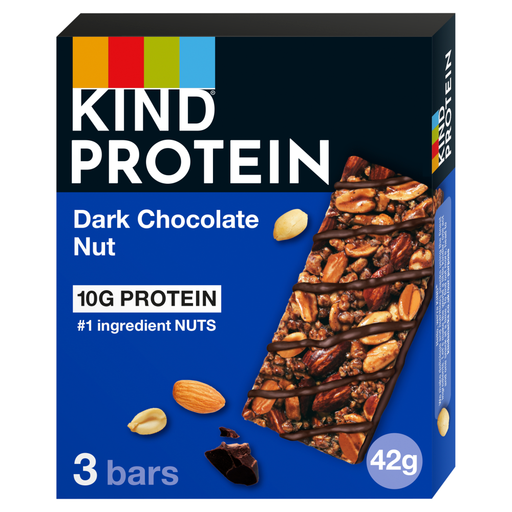
KIND Protein Dark Chocolate Nut Bars, 3 x 42g
For a dark-chocolate nut bar with commuter coffee, check the exact pack’s protein, sugars and ingredients against your needs. This is a 3 x 42g pack; read its nut and other allergen declarations before buying.
View on Joybuy
Frequently asked questions
How do I check an organic claim on a protein bar in the UK?
Check that the bar itself is described as organic, rather than relying on an organic ingredient in its list. DEFRA’s UK organic-food labelling guidance, dated 20 August 2025, says an organic-labelled food must have at least 95% organic agricultural ingredients, with the product and suppliers certified by an approved control body.
Does organic or vegan mean a bar is free from allergens?
No: neither description replaces the allergen declaration for the exact product. The cited Pulsin bar contains peanuts, while Barebells says its vegan Caramel Peanut bar contains wheat protein; read the current ingredients and any ‘may contain’ wording before choosing a flavour.
Can a protein bar replace breakfast on a coffee commute?
Do not assume that protein content makes a bar a complete breakfast. Myprotein says its cited High-Protein Bar should not substitute for a varied diet; check the exact product’s intended use and nutrition rather than treating any protein bar as a meal replacement.
What does ‘may contain’ mean on a protein bar?
It is precautionary allergen wording about possible unintended presence, separate from ingredients deliberately used in the bar. The Food Standards Agency explains that it can refer to one or more of the 14 regulated UK allergens, so read both statements on the exact pack if an allergen affects your choice.
Should I check sweeteners in a low-sugar bar?
Yes, check the exact ingredients and advisory wording alongside the sugar figure. Quest says its protein bars contain sugar alcohols and that tolerance varies; the cited H&B Precision Engineered bar warns that excessive consumption may produce laxative effects.


